HYD HVLP 100 Hydraulic Oil

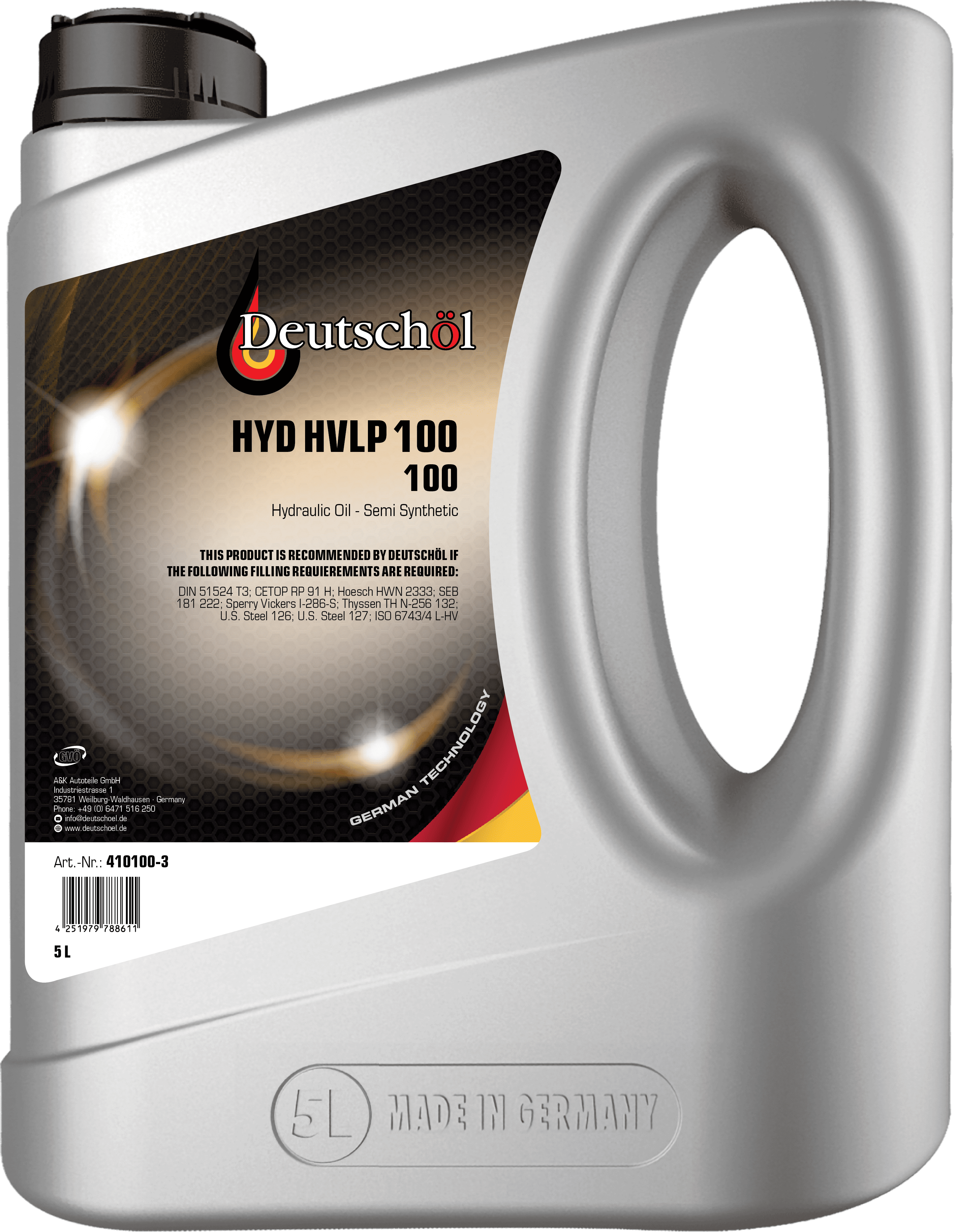
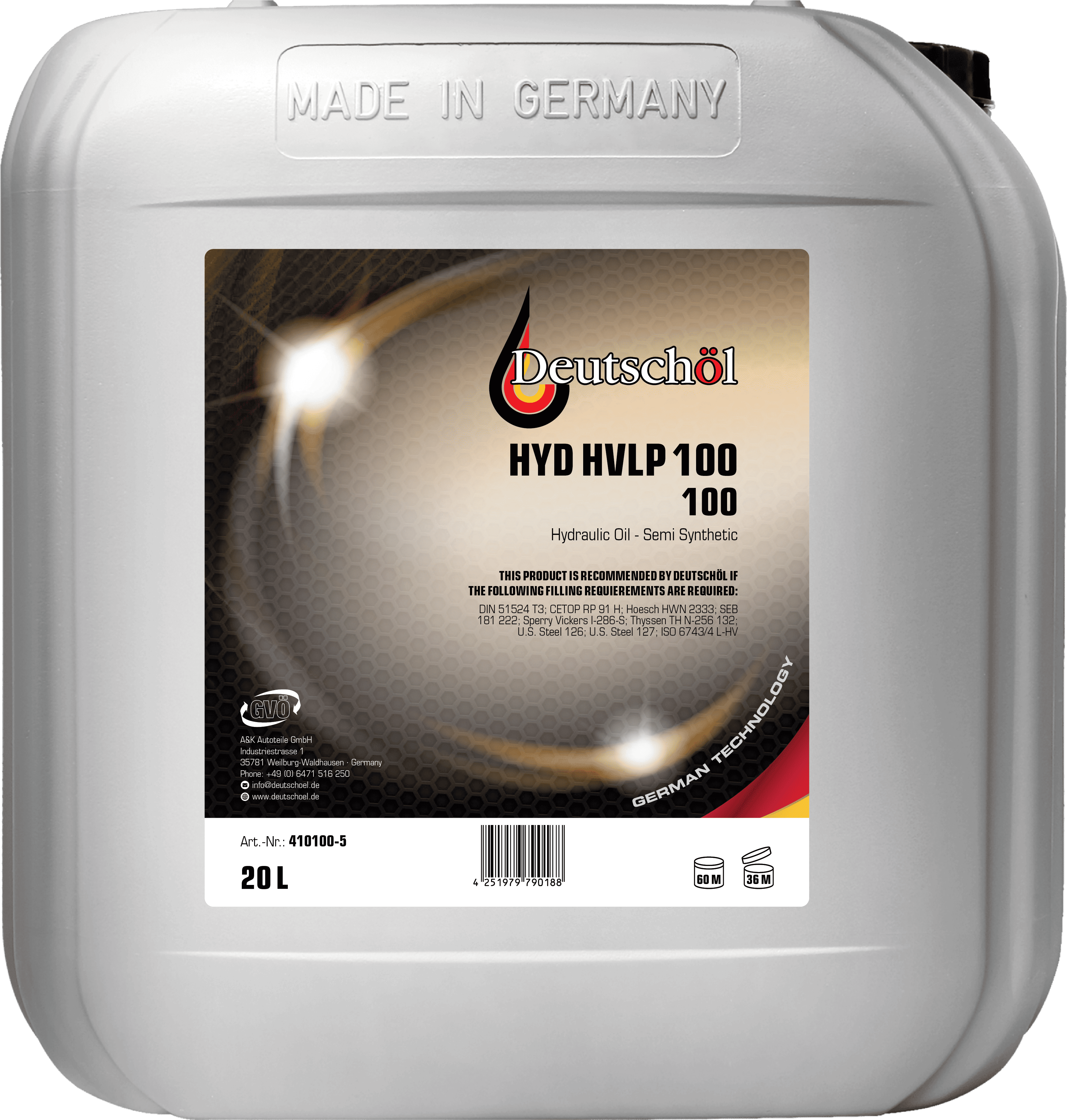
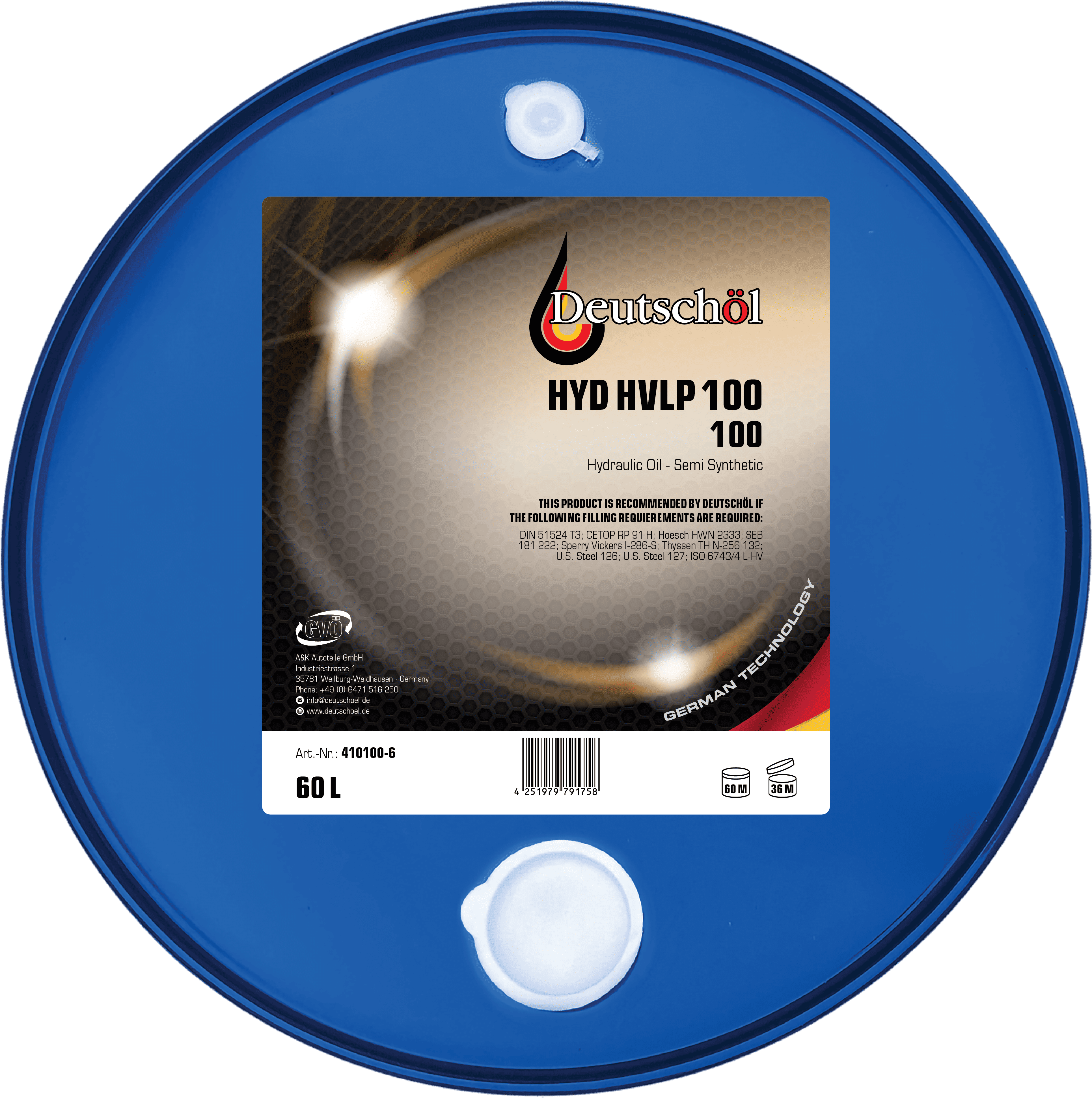
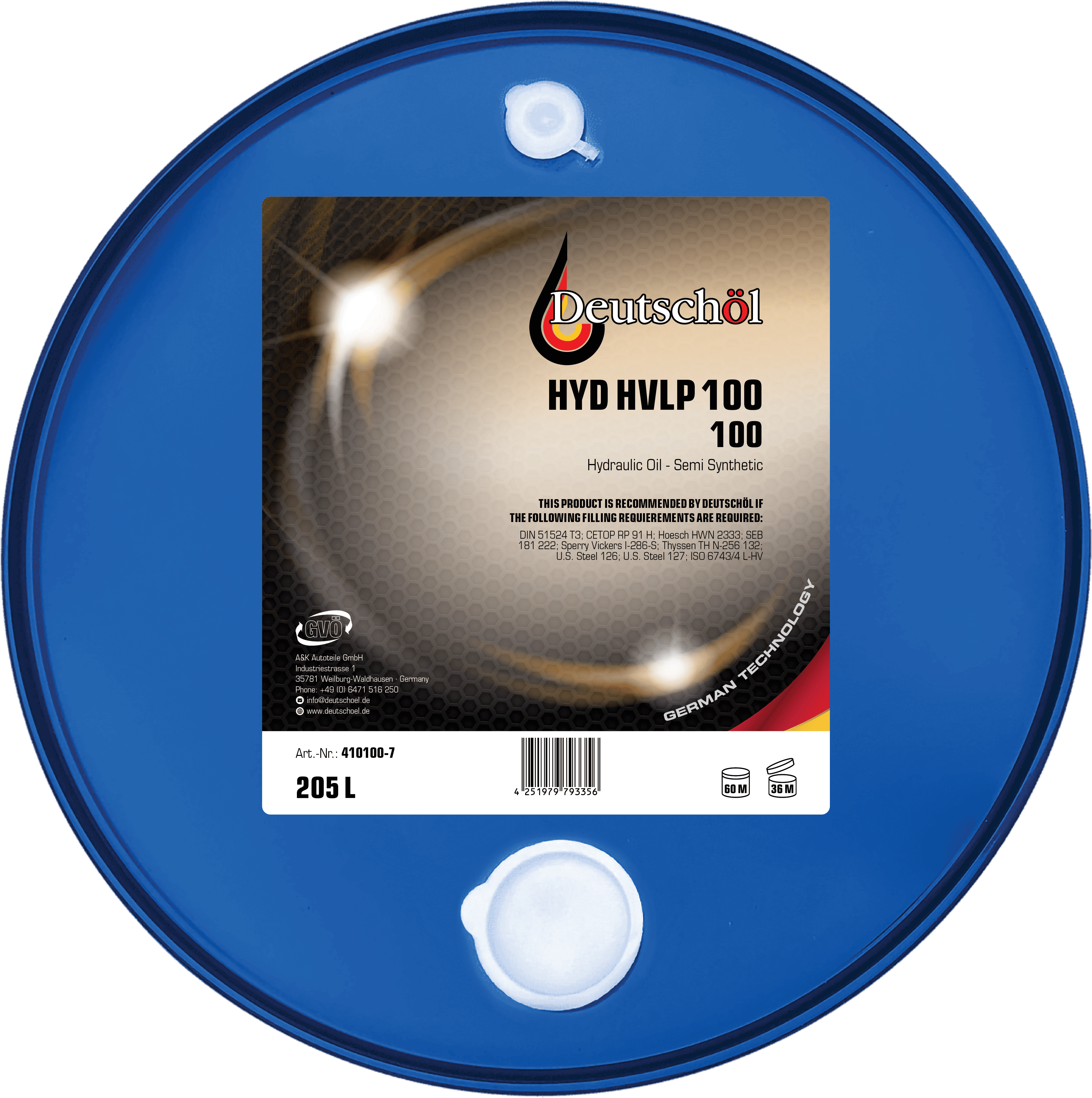
HYD HVLP 100 is a semi-synthetic hydraulic oil for systems that specify ISO VG 100 and HVLP performance across changing temperatures.
Its formulation combines viscosity-temperature stability with wear protection and oxidation resistance. DIN 51524-3, ISO 6743-4 L-HV, CETOP RP 91 H and the listed steel-industry and equipment requirements define the intended performance profile.


ISO VG 100 with wider viscosity-temperature performance
HYD HVLP 100 is designed for hydraulic drives that require the higher ISO VG 100 grade and stable viscosity as operating temperatures change. Its semi-synthetic formulation also supports wear and oxidation protection.
Suitable applications
- Hydraulic systems specifying ISO VG 100
- Equipment requiring DIN 51524-3 HVLP performance
- Systems covered by ISO 6743-4 L-HV
- Applications listing CETOP RP 91 H
- Equipment requiring the stated industrial standards
Confirm the higher viscosity is specified
Do not choose ISO VG 100 only because a system runs hot. Pump design, start-up conditions and manufacturer requirements determine whether this or a lower HVLP grade is correct.
Benefits of HYD HVLP 100
Hydraulic Wear Protection
Oxidation Resistance
Viscosity-Temperature Stability
Low-Temperature Fluidity
Specifications and Performance Standards
Typical Technical Properties
Available Packaging Sizes
Protecting Hydraulic Systems During Oil Changes
Before changing hydraulic oil, identify the fluid currently in service and confirm compatibility with the replacement. Mixing can alter water separation, detergency, seal behaviour and additive performance even when both products share the same ISO viscosity grade.
Inspect the reservoir, filters, breathers, hoses and cooling surfaces. Correct sources of water, dust or process-fluid contamination before adding fresh oil. Use clean transfer equipment and filter the incoming fluid when the system procedure requires it.
After refilling, bleed trapped air where applicable and monitor pressure, temperature, noise, filter condition and leakage. A rapid change in these indicators can point to contamination, incorrect viscosity or an incomplete changeover rather than a problem that more oil will solve.
Why Choose Deutschöl?
German Lubricant Expertise
Performance and Protection
Recognised Standards and Specifications
FAQs
Need Help Choosing the Right Product?