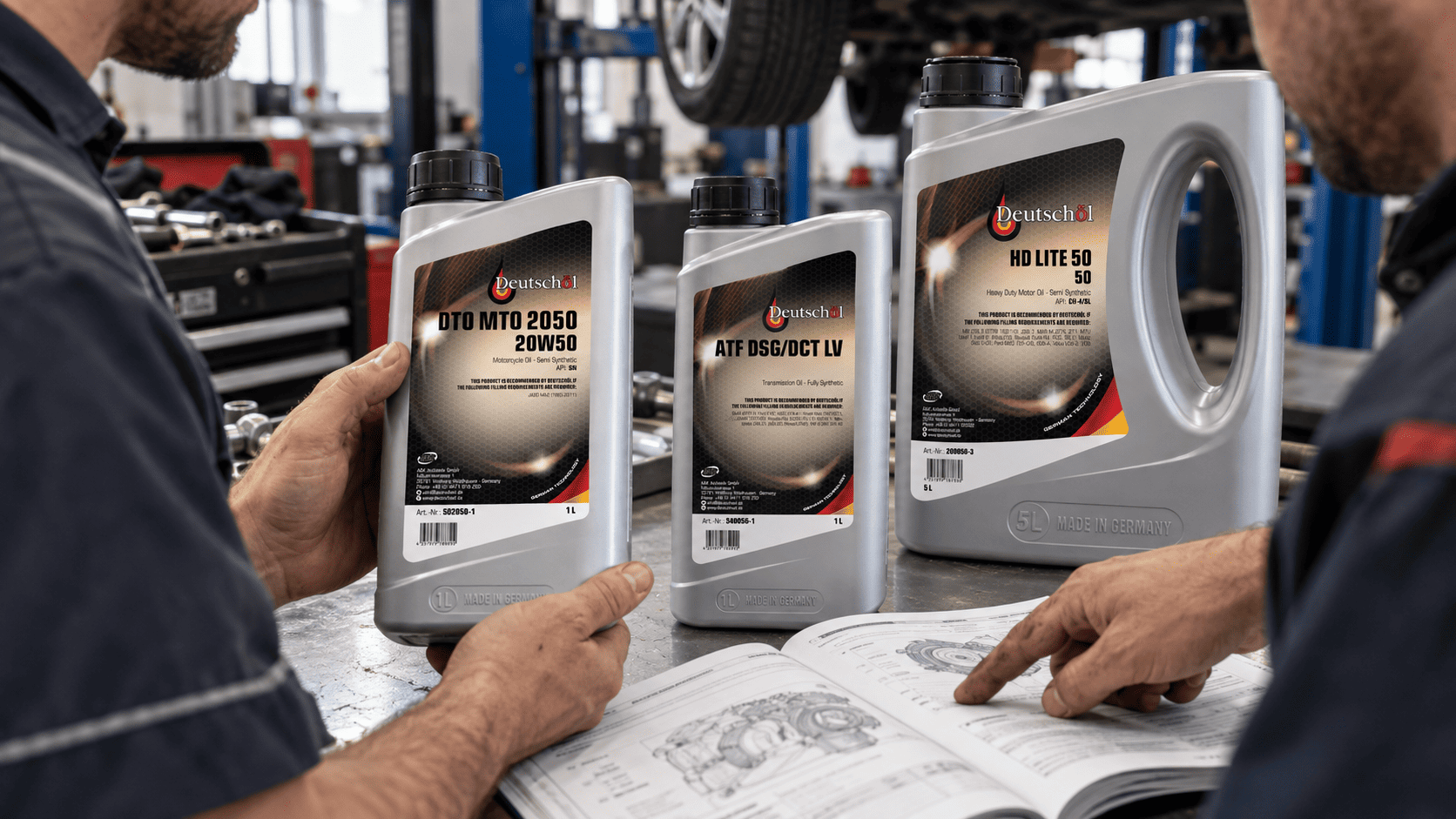
Heavy Duty Motor Oils

Available Products
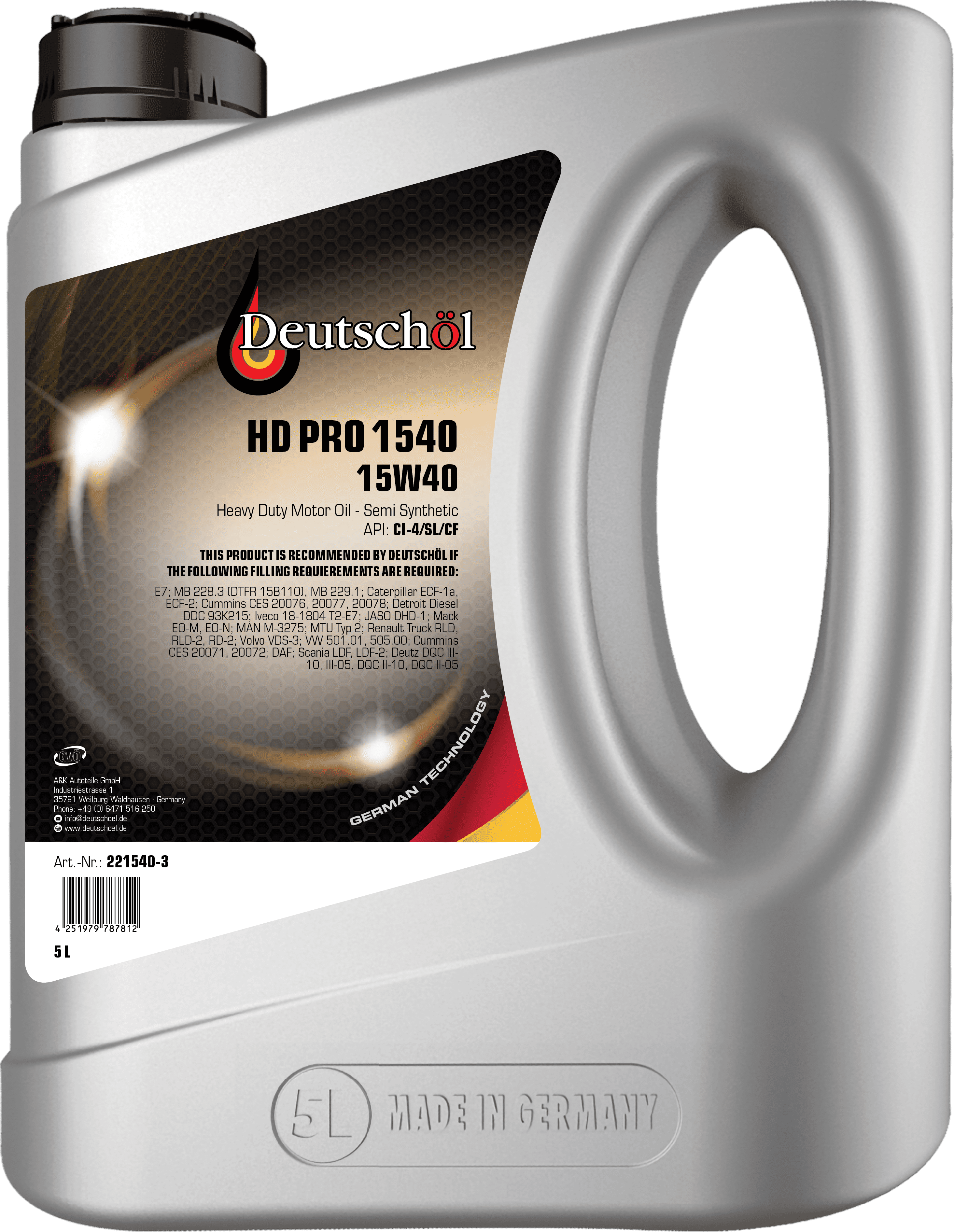
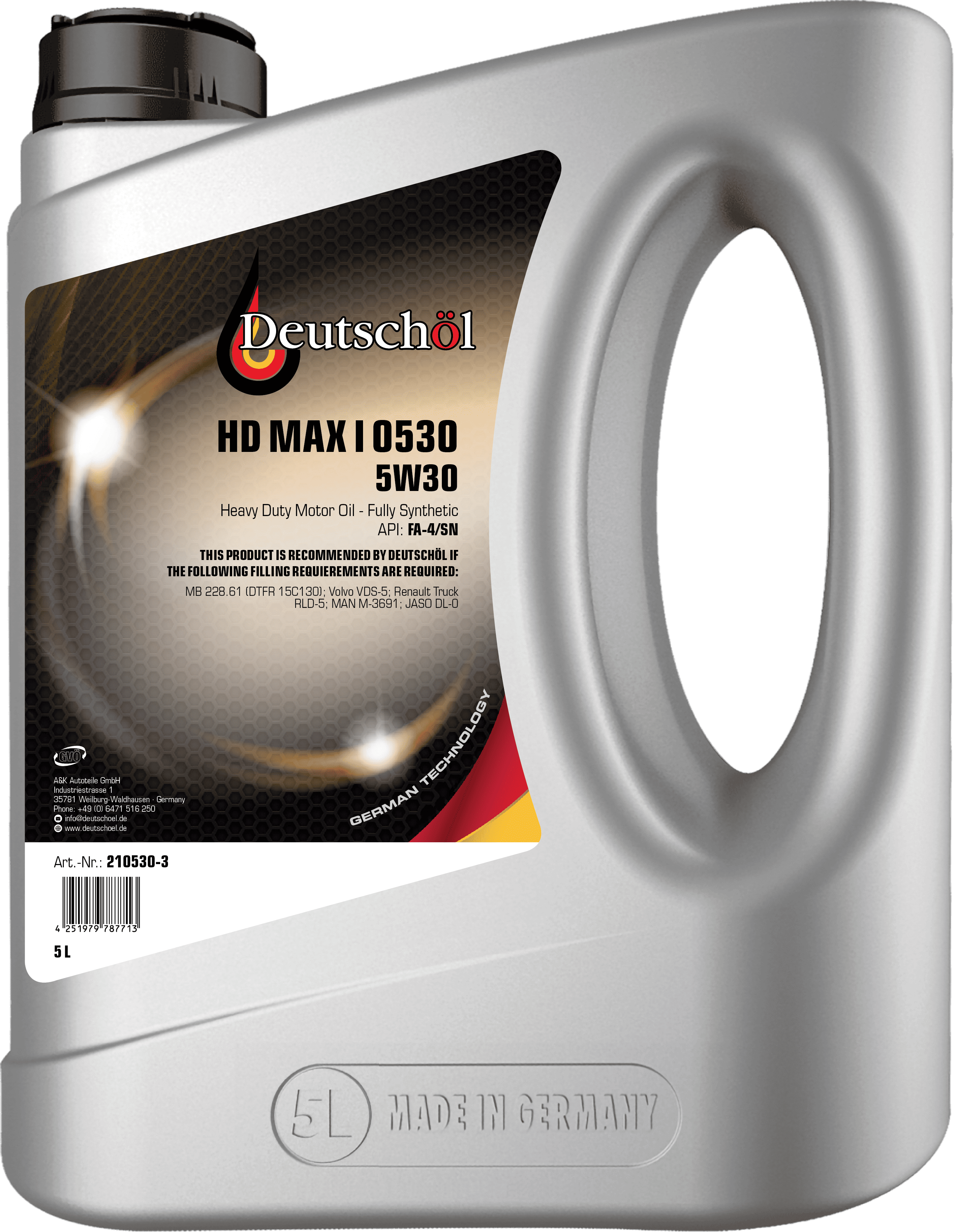
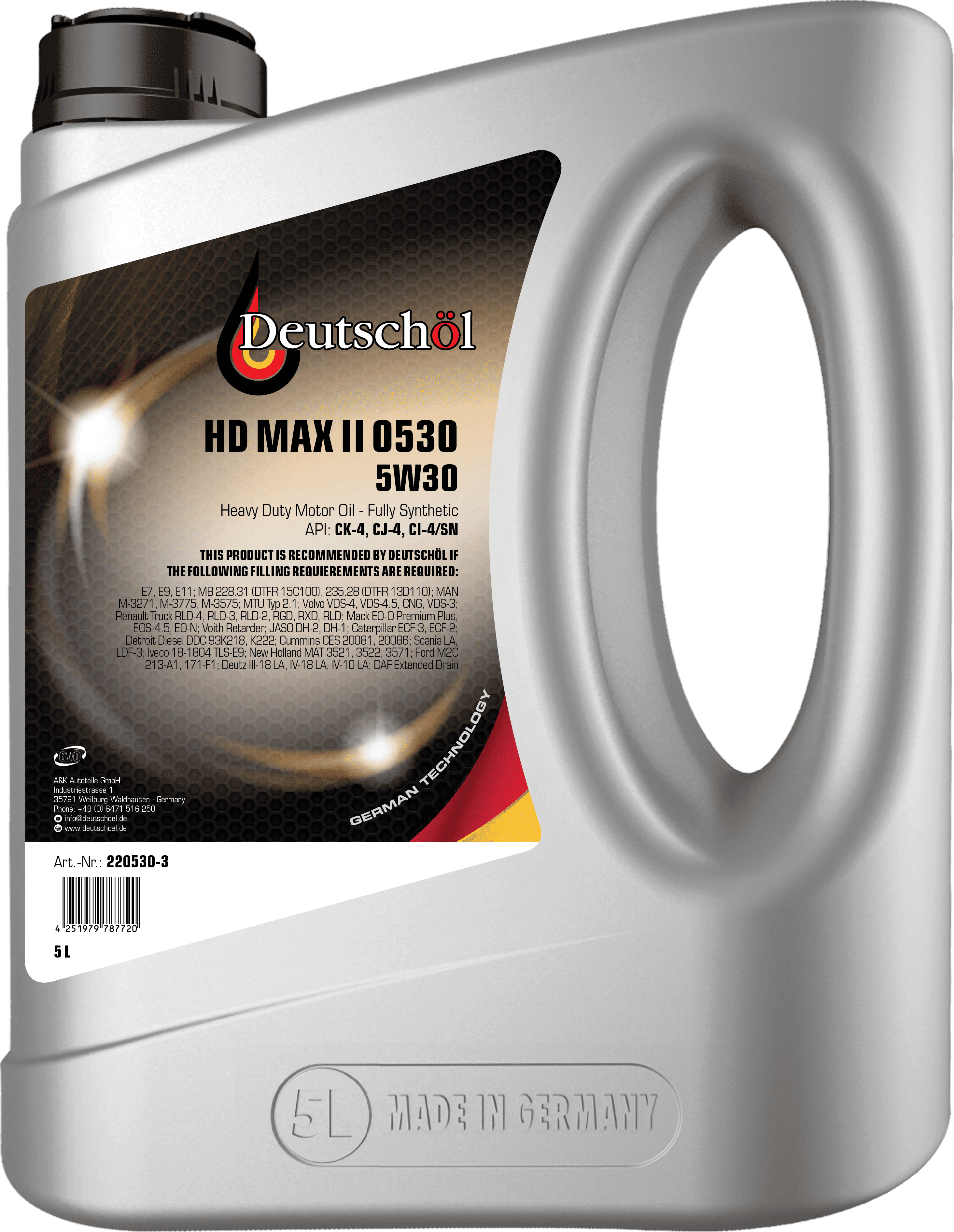
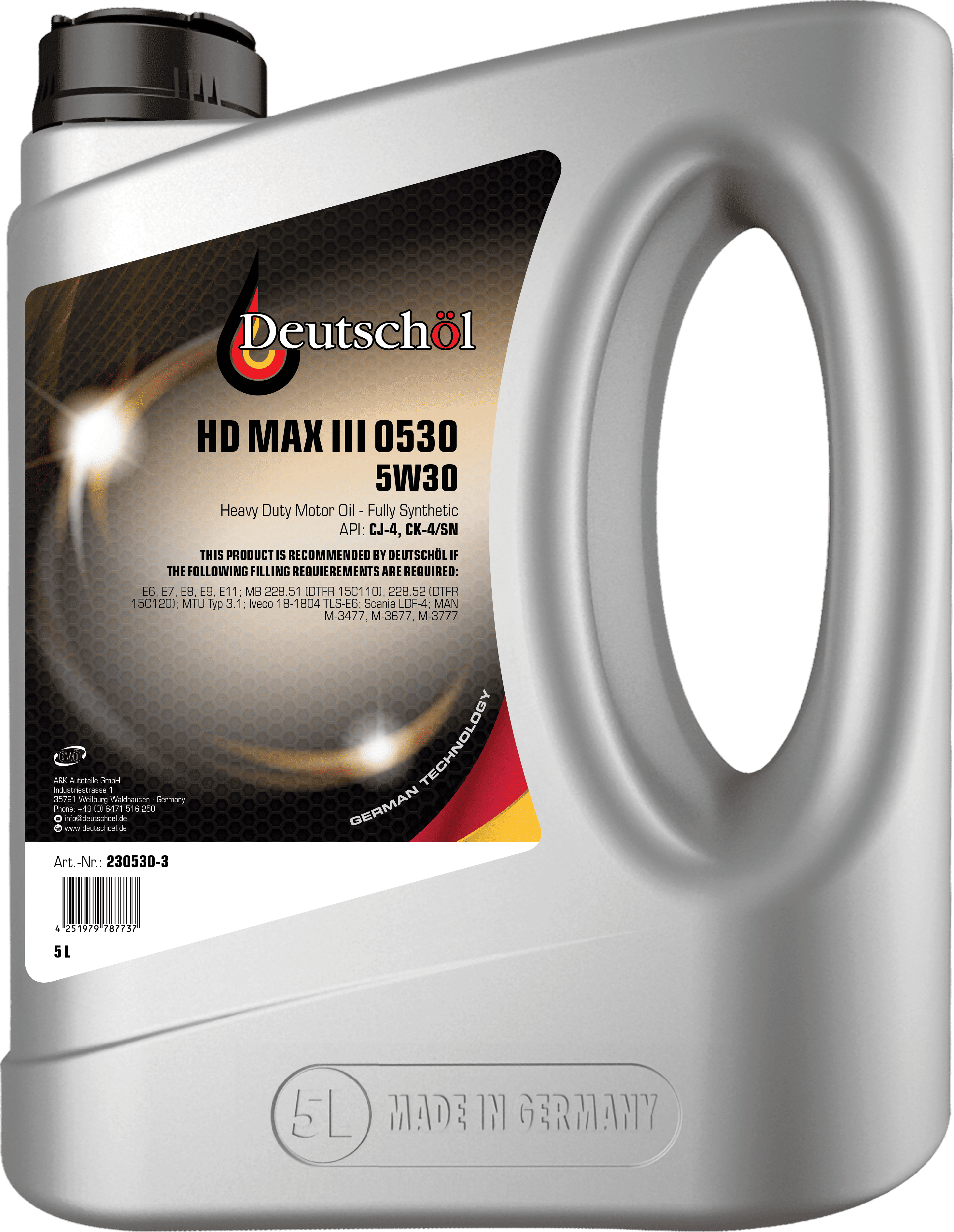
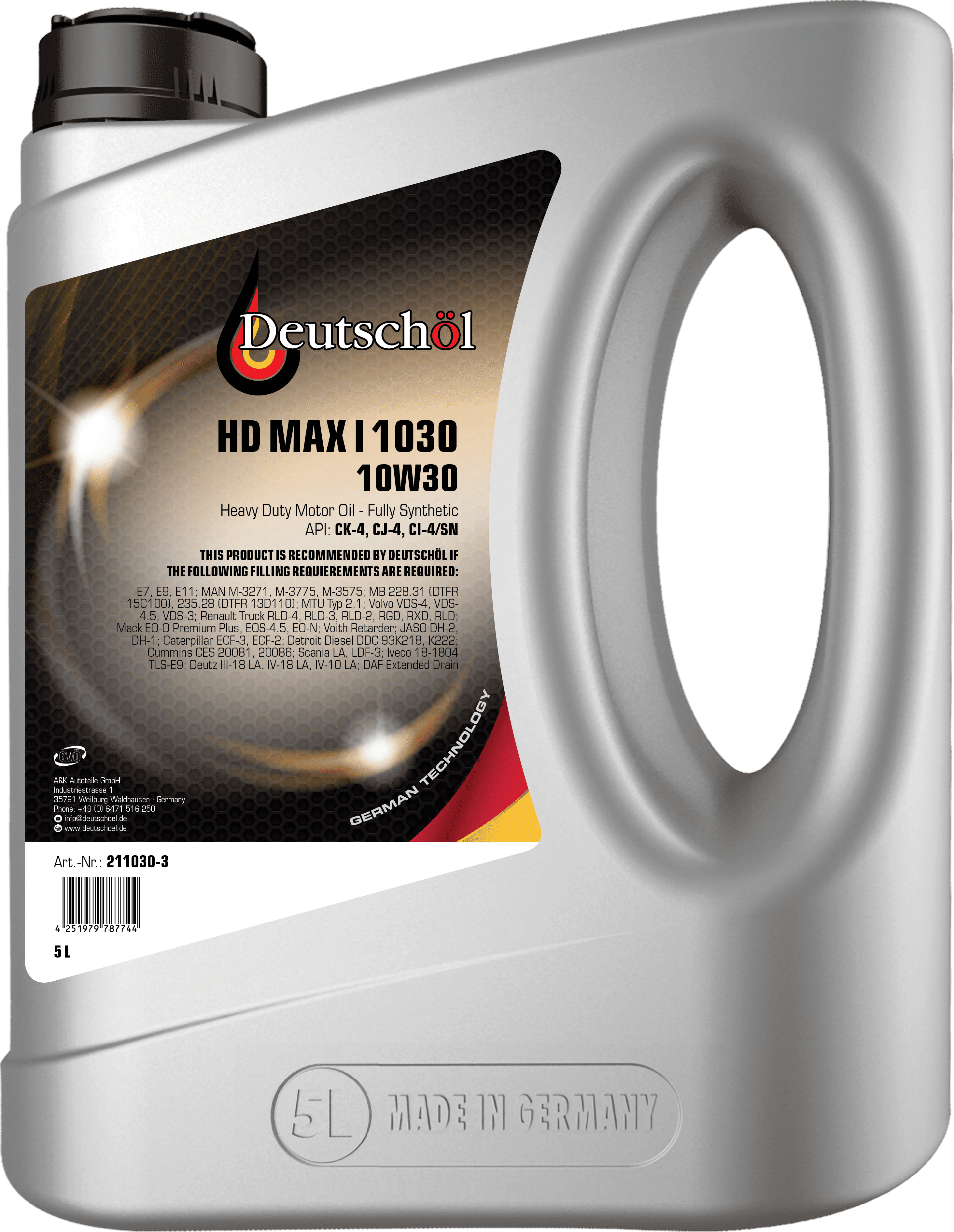
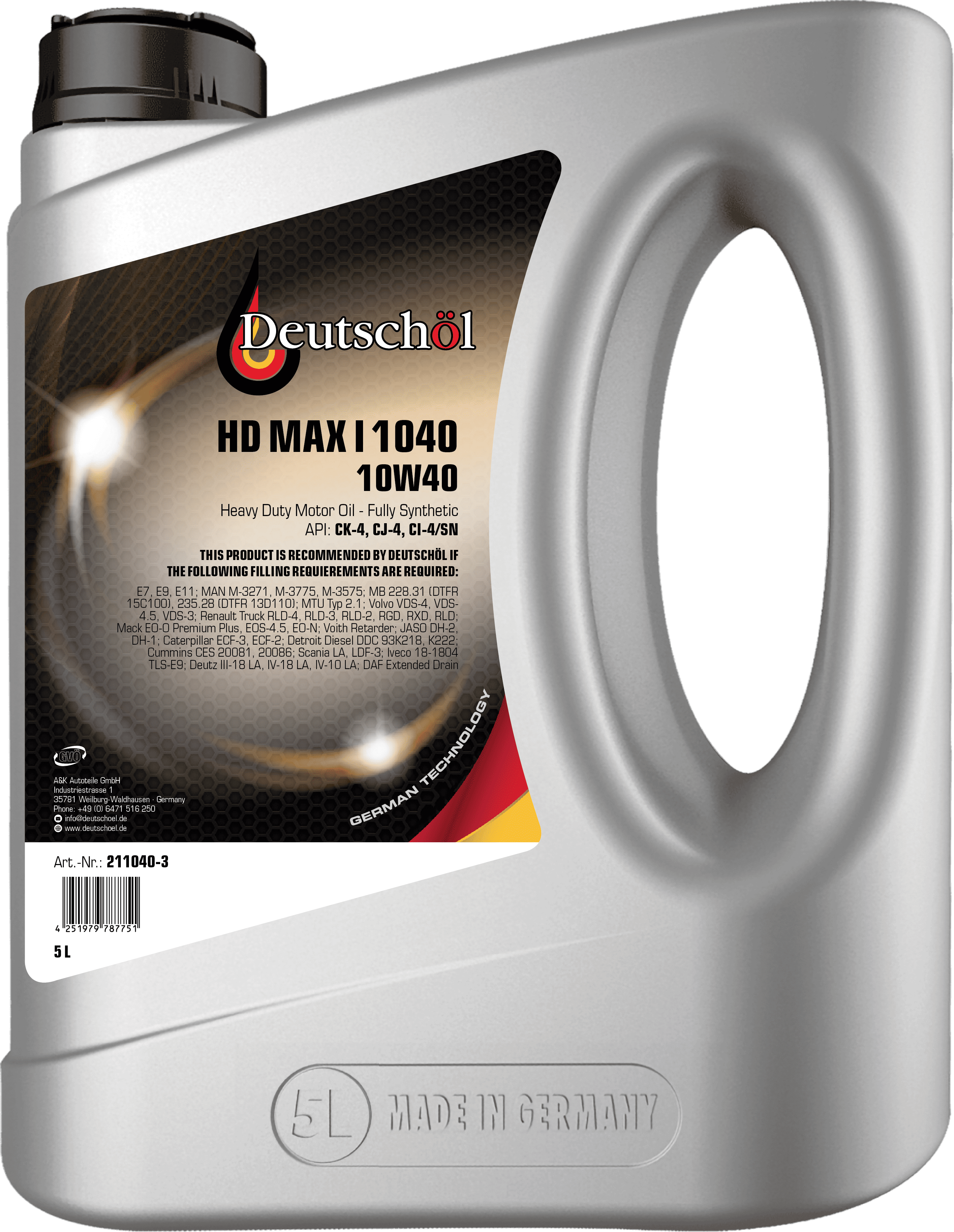
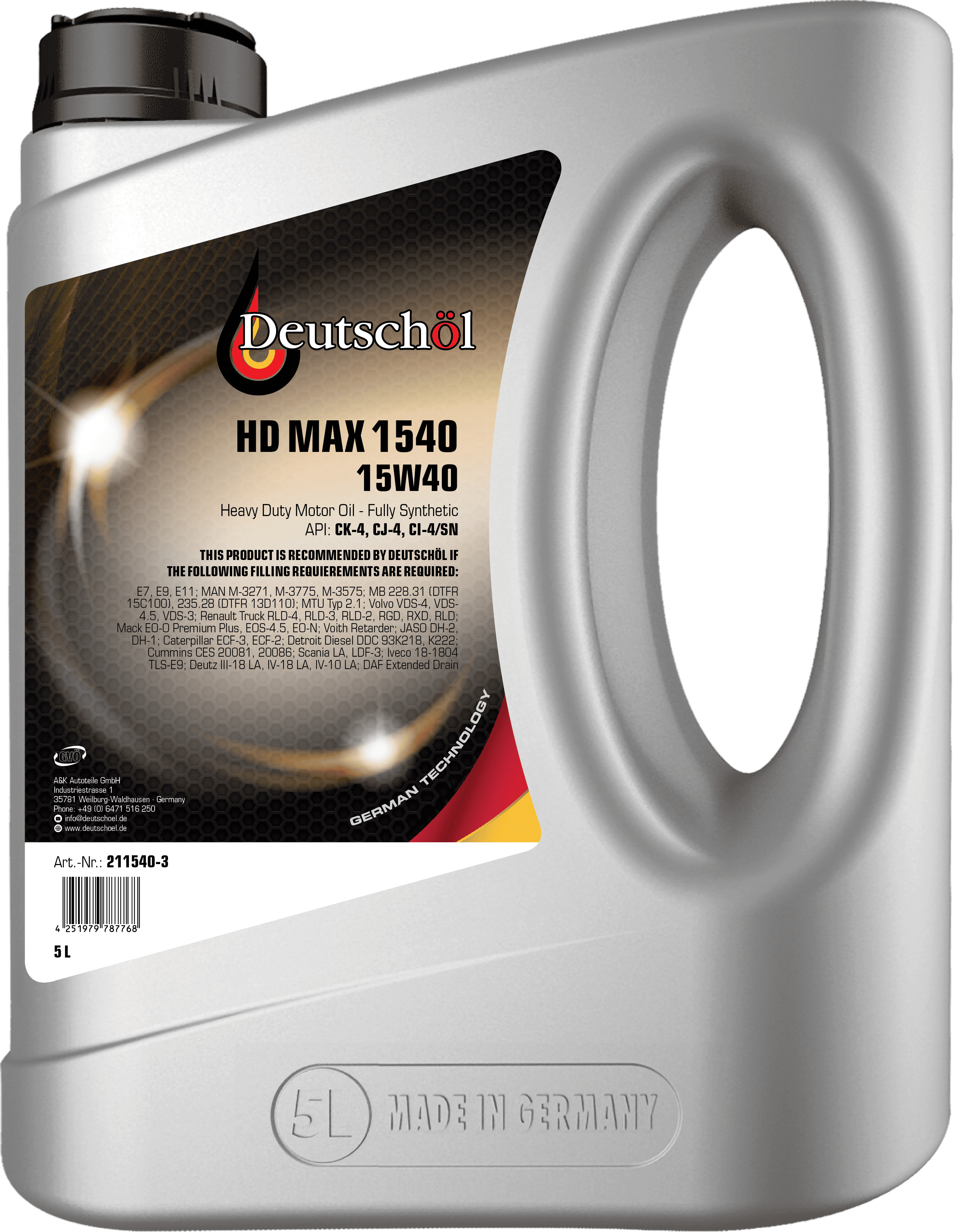
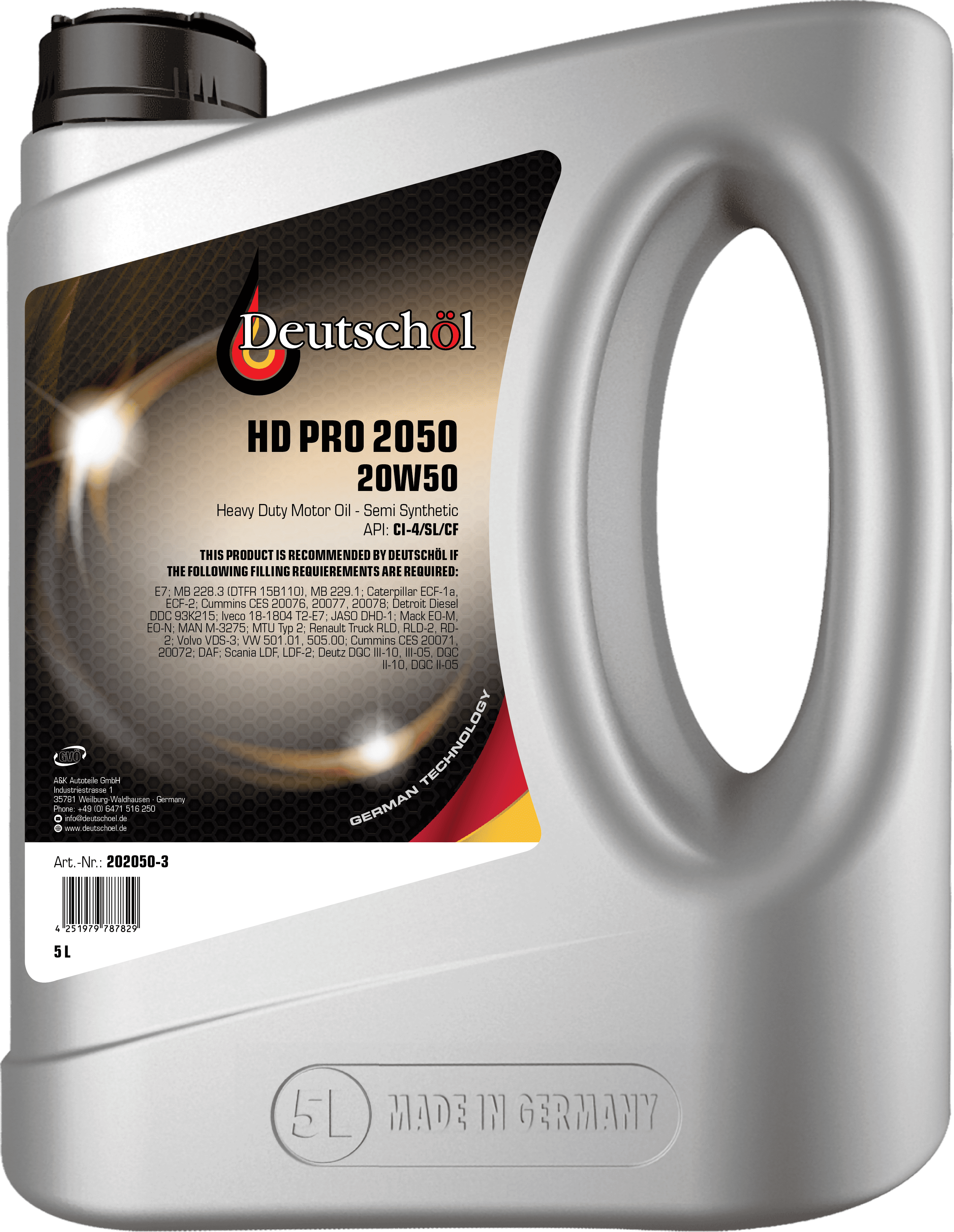
Engine Oil for Commercial Duty Cycles
Heavy-duty engine oil works under sustained load, long operating hours and widely changing temperatures. The right product depends on the engine generation, emissions system, fuel, duty cycle and manufacturer specification. Fleet operators should compare the complete performance profile, not only the SAE grade.
Start with the Engine and Emissions System
Modern commercial diesel engines may use exhaust-gas recirculation, diesel particulate filters, selective catalytic reduction or other aftertreatment systems. These components can place limits on sulphated ash, phosphorus and sulphur in the engine oil. Older engines may call for a different performance category and may not benefit from the same formulation.
Use the API, ACEA and manufacturer approvals stated for the engine. A newer classification is not automatically authorised for every older or specialised application.
Choose Viscosity for Starting and Full-Load Operation
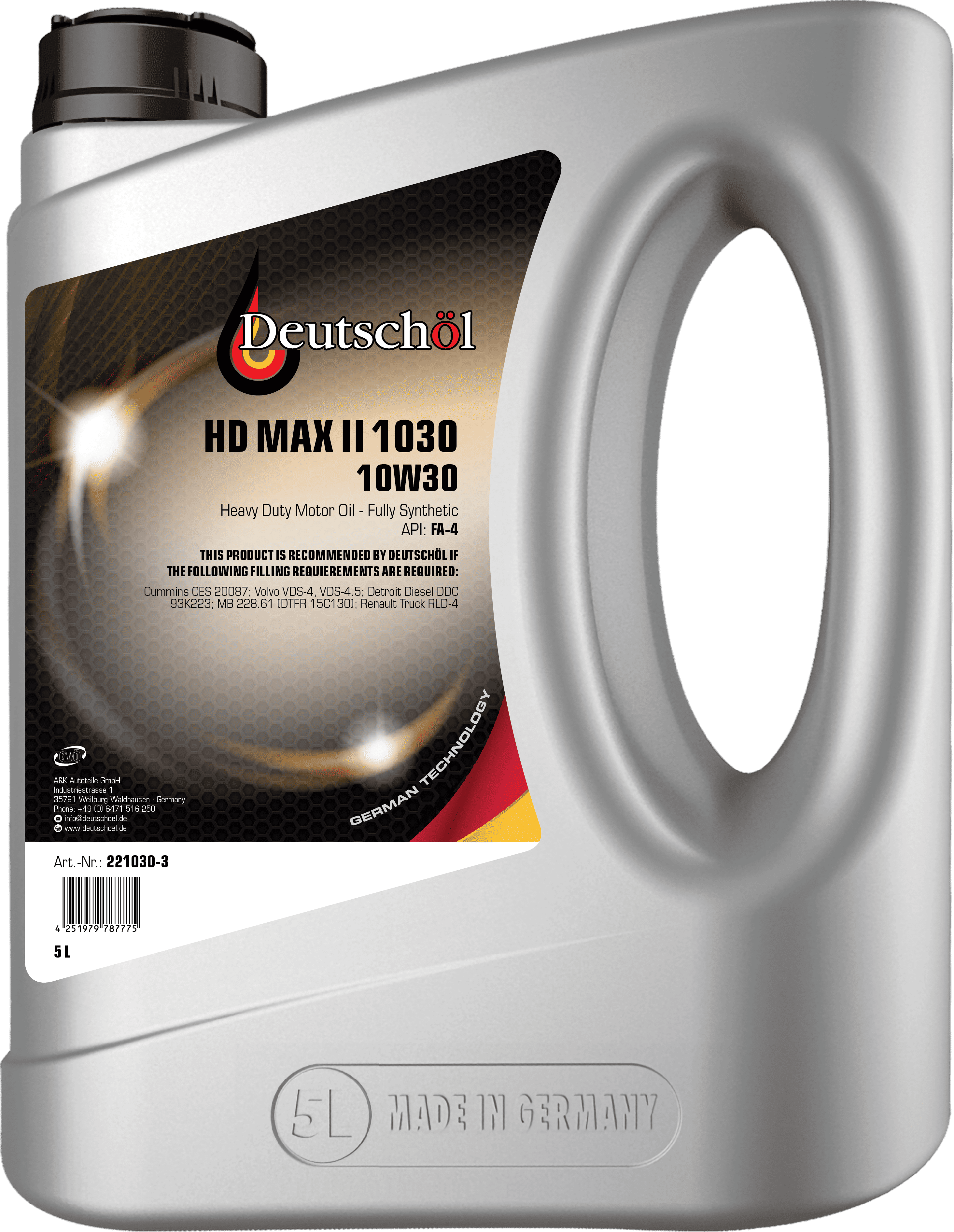
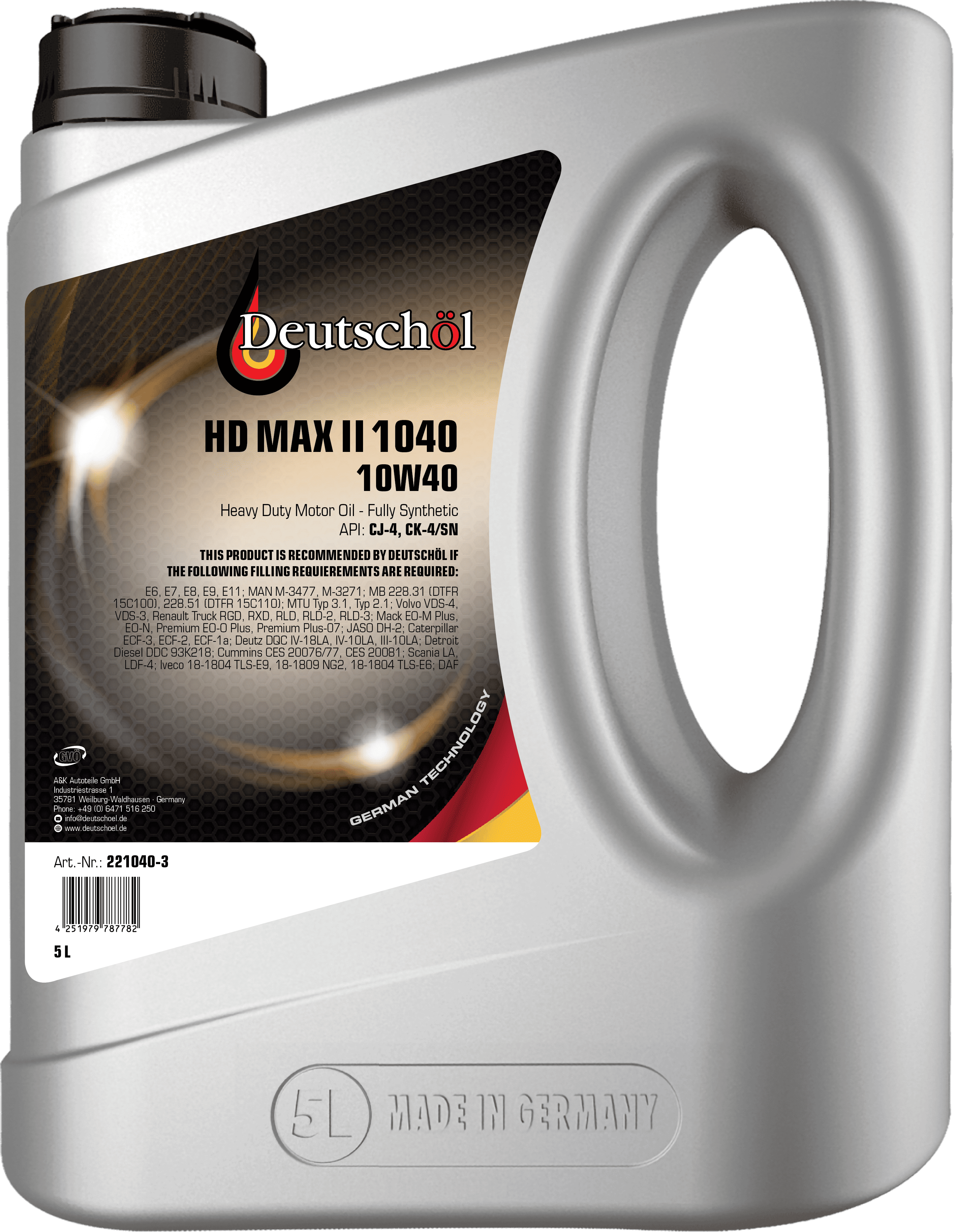
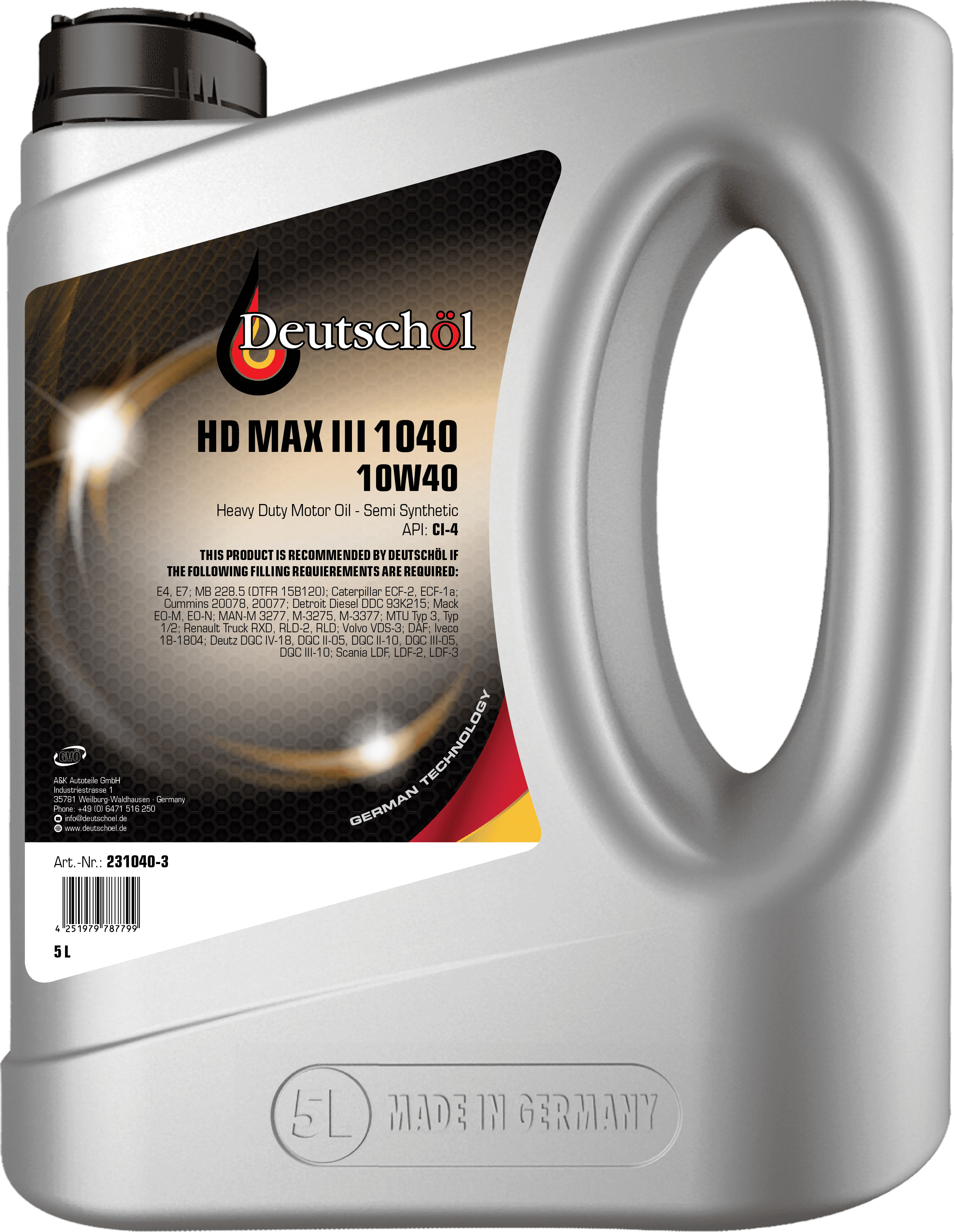
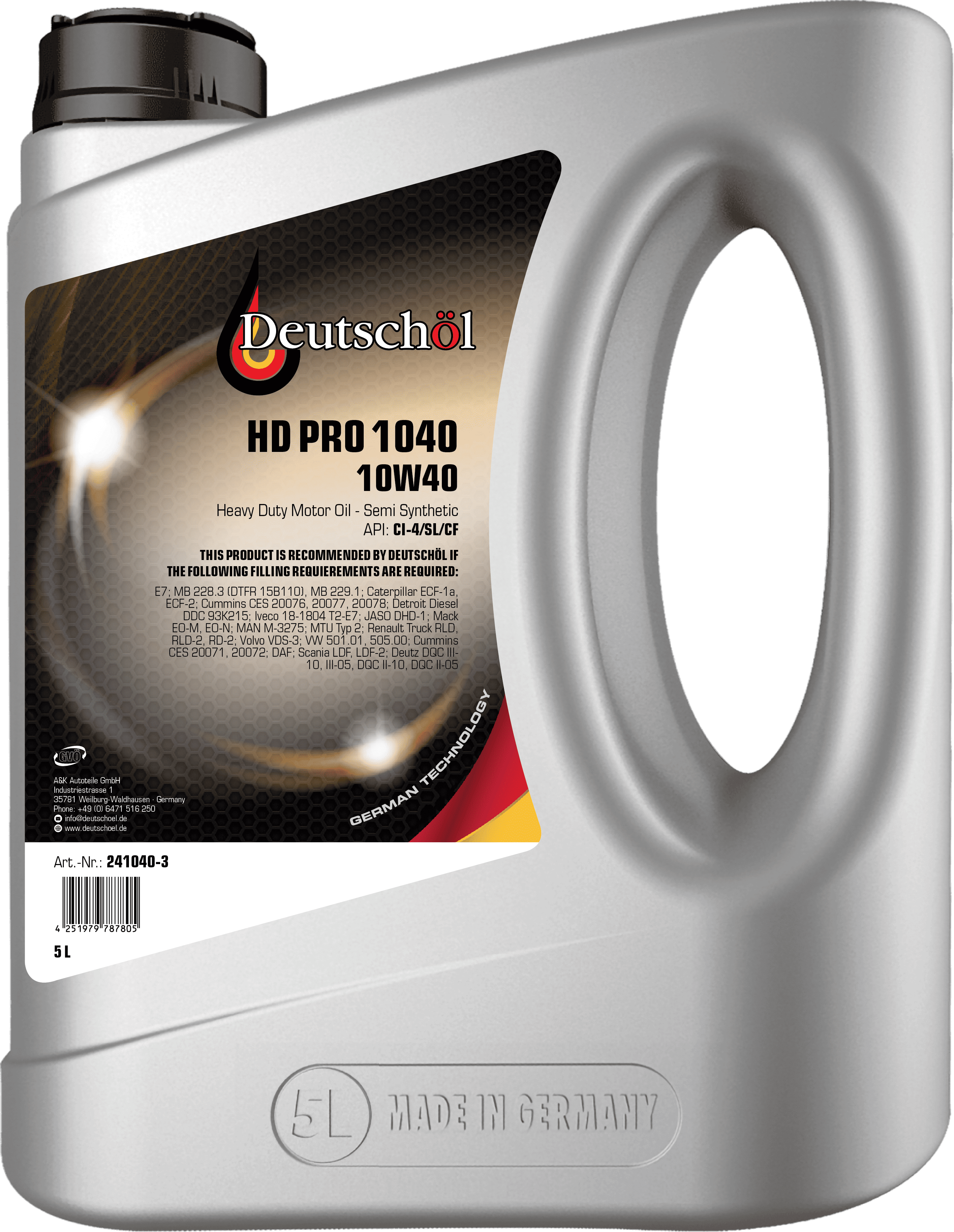
The Deutschöl heavy-duty range includes SAE 5W-30, 10W-30, 10W-40, 15W-40, 20W-50 and SAE 50 products. Lower-temperature flow matters during cold starting, while operating-temperature viscosity must remain within the range specified for bearing protection and oil pressure.
Climate matters, but so do oil temperature, engine design and load. Do not change viscosity solely to address consumption or pressure without investigating the mechanical cause.
Duty Cycle Influences Oil Stress
Long-haul operation, urban delivery, construction work, extended idling and frequent cold starts affect oil differently. Soot loading, fuel dilution, oxidation and contamination can shorten useful life even when mileage is modest. Engine hours may provide a better service measure for some fleets than distance alone.
Build a Fleet Selection Process
- Group engines by required specification and emissions technology.
- Confirm permitted SAE grades for climate and duty.
- Check drain interval, sump capacity and filter requirements.
- Account for fuel quality and operating environment.
- Use oil analysis where extended drains or severe service justify it.
- Keep top-up oil consistent and record consumption by vehicle.
If one fleet oil is proposed for several engine generations, confirm every application individually rather than relying on the broadest claim on the label.
Why Choose Deutschöl?
German Lubricant Expertise
Performance and Protection
Recognised Standards and Specifications
FAQs
Need Help Choosing the Right Product?