Marine

Available Products



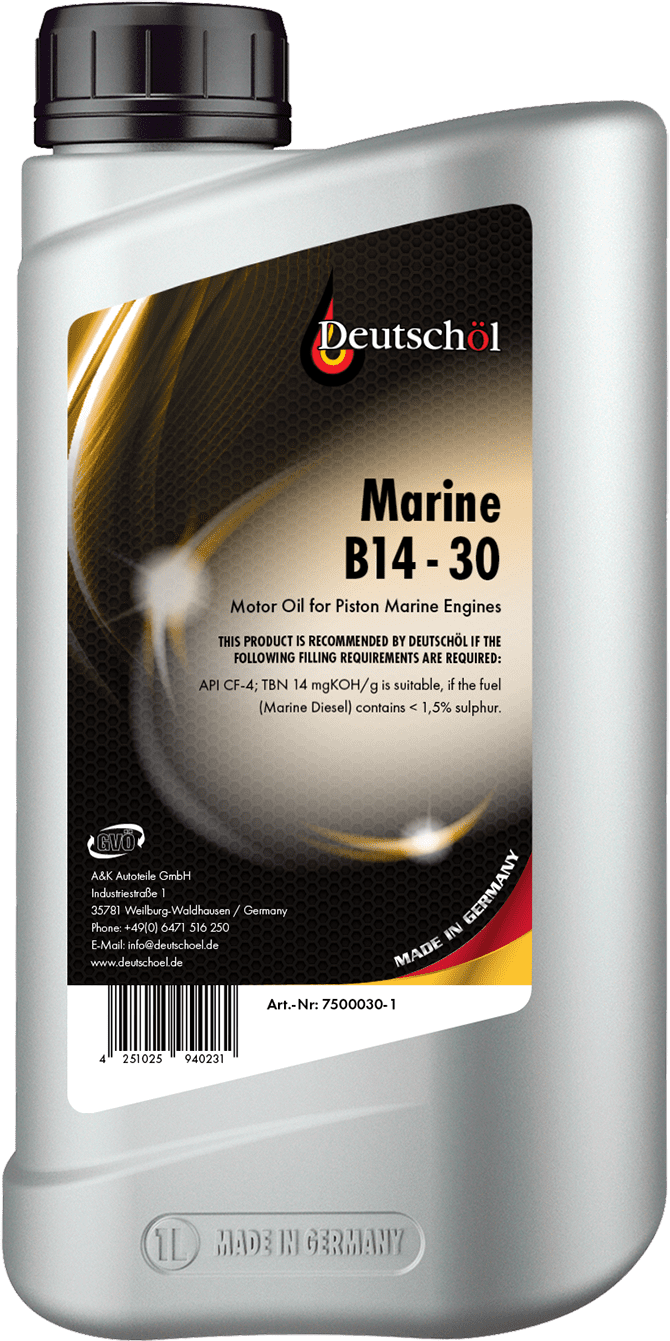
Marine Engine Oil Selection Starts with the Engine
Marine lubrication depends on engine design, operating profile, fuel and the oil-management practices used on board. A viscosity grade by itself does not establish suitability. The engine builder’s lubricant recommendation, required performance level and any base-number requirement must be considered together.
The Deutschöl marine products currently recorded in this category are discontinued. Their pages remain useful for identifying earlier products and technical references, but they should not be treated as confirmation of current availability.
Viscosity Must Match the Operating Requirement
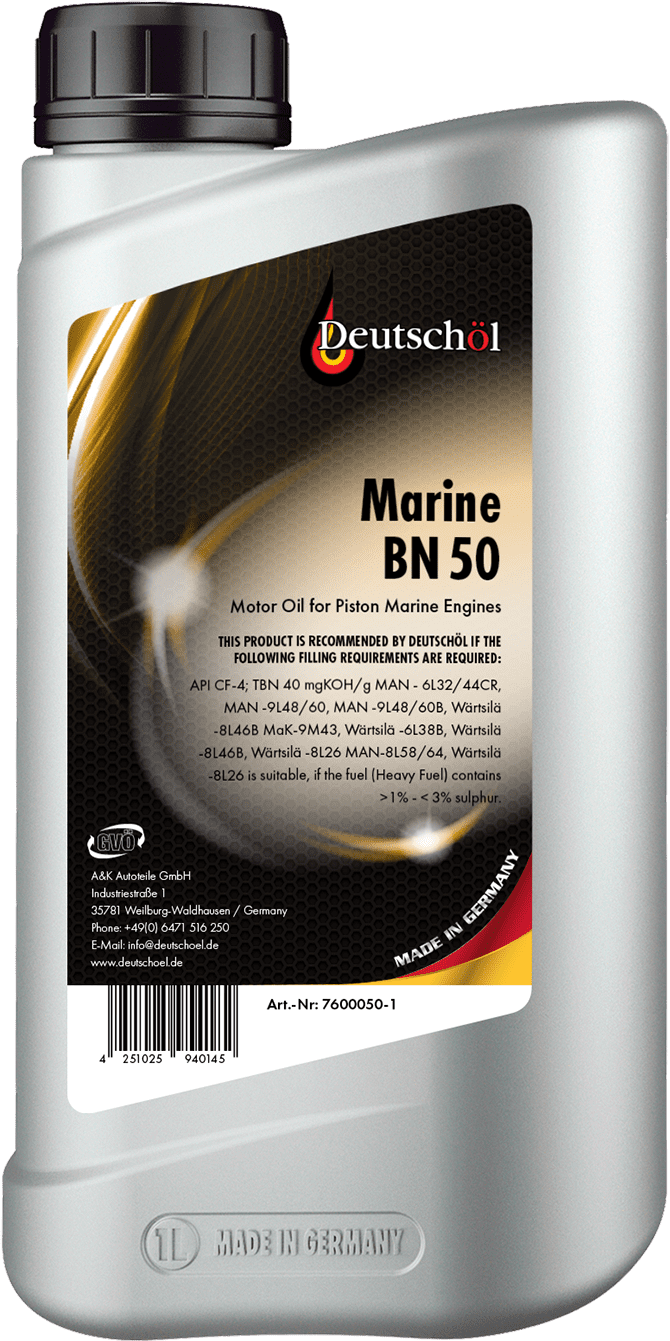
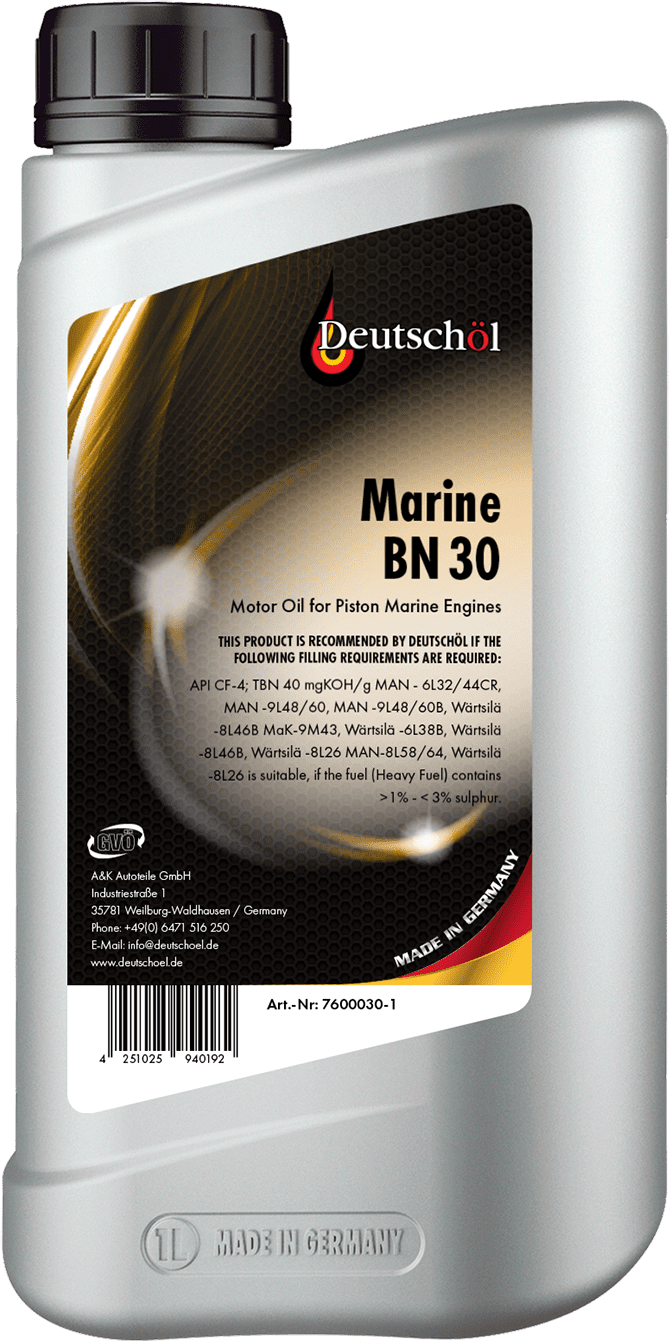
The historical Deutschöl marine range includes SAE 30, SAE 40 and SAE 50 grades. These monograde classifications describe viscosity, not complete application compatibility. Engine model, load, oil temperature and the manufacturer’s lubrication system design determine which grade is permitted.
Using a heavier oil is not automatically safer. An unsuitable viscosity can affect circulation, starting behaviour and lubricant delivery to critical components.
Base Number and Fuel Quality
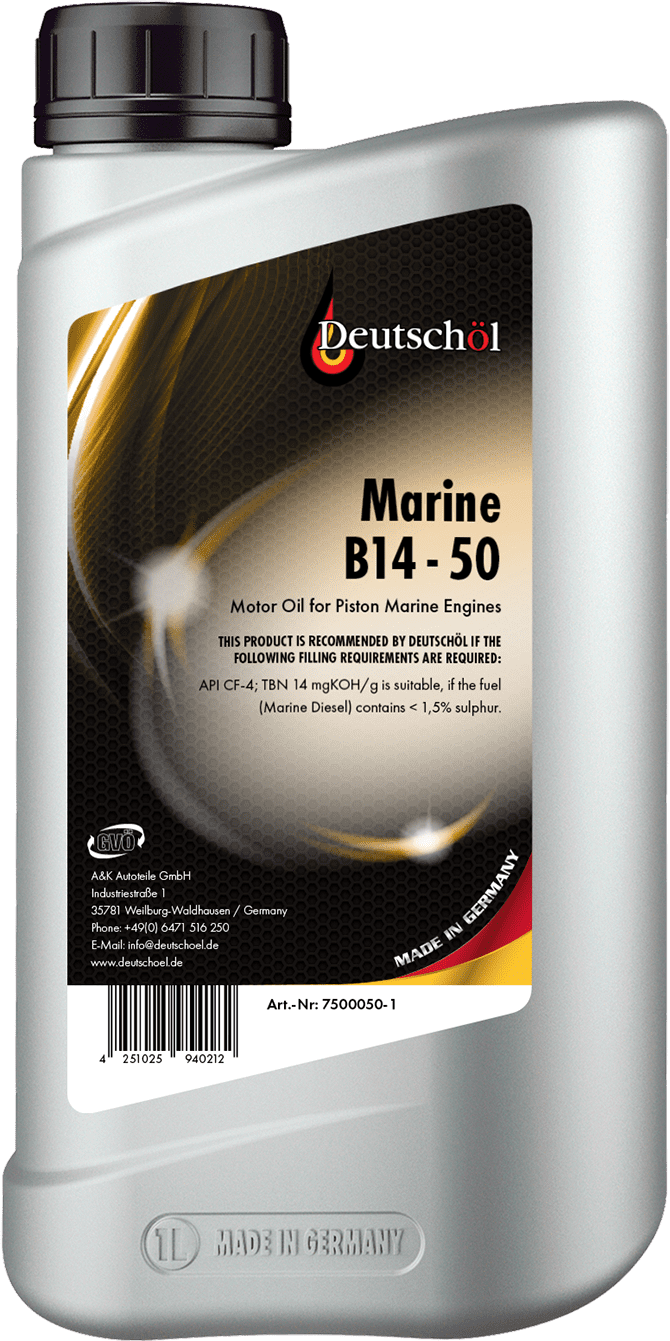
In marine diesel service, the lubricant may also need sufficient alkalinity to manage acidic combustion by-products. Base number is therefore an application parameter, not a general measure of oil quality. The appropriate level depends on the engine, fuel sulphur content, oil consumption and the engine builder’s operating guidance.
Do not select a replacement marine oil solely because its SAE grade resembles the discontinued product. The chemical performance and base-number requirements must also align.
Operating Conditions Change the Lubrication Demand
Long running periods, variable load, extended idling, salt-laden environments and storage can influence oil condition. Water ingress, fuel dilution, soot and oxidation may not be visible during a routine level check. Scheduled sampling and condition monitoring can provide a clearer basis for service decisions in managed marine operations.
How to Assess a Current Alternative
- Identify the exact engine make, model and lubrication point.
- Record the required SAE grade and performance specification.
- Confirm the fuel type and any base-number requirement.
- Review the engine builder’s current approved lubricant guidance.
- Check whether flushing or a controlled changeover is required.
For a discontinued Deutschöl marine product, request a technically verified alternative rather than assuming a direct replacement from the name alone.
Why Choose Deutschöl?
German Lubricant Expertise
Performance and Protection
Recognised Standards and Specifications
FAQs
Need Help Choosing the Right Product?