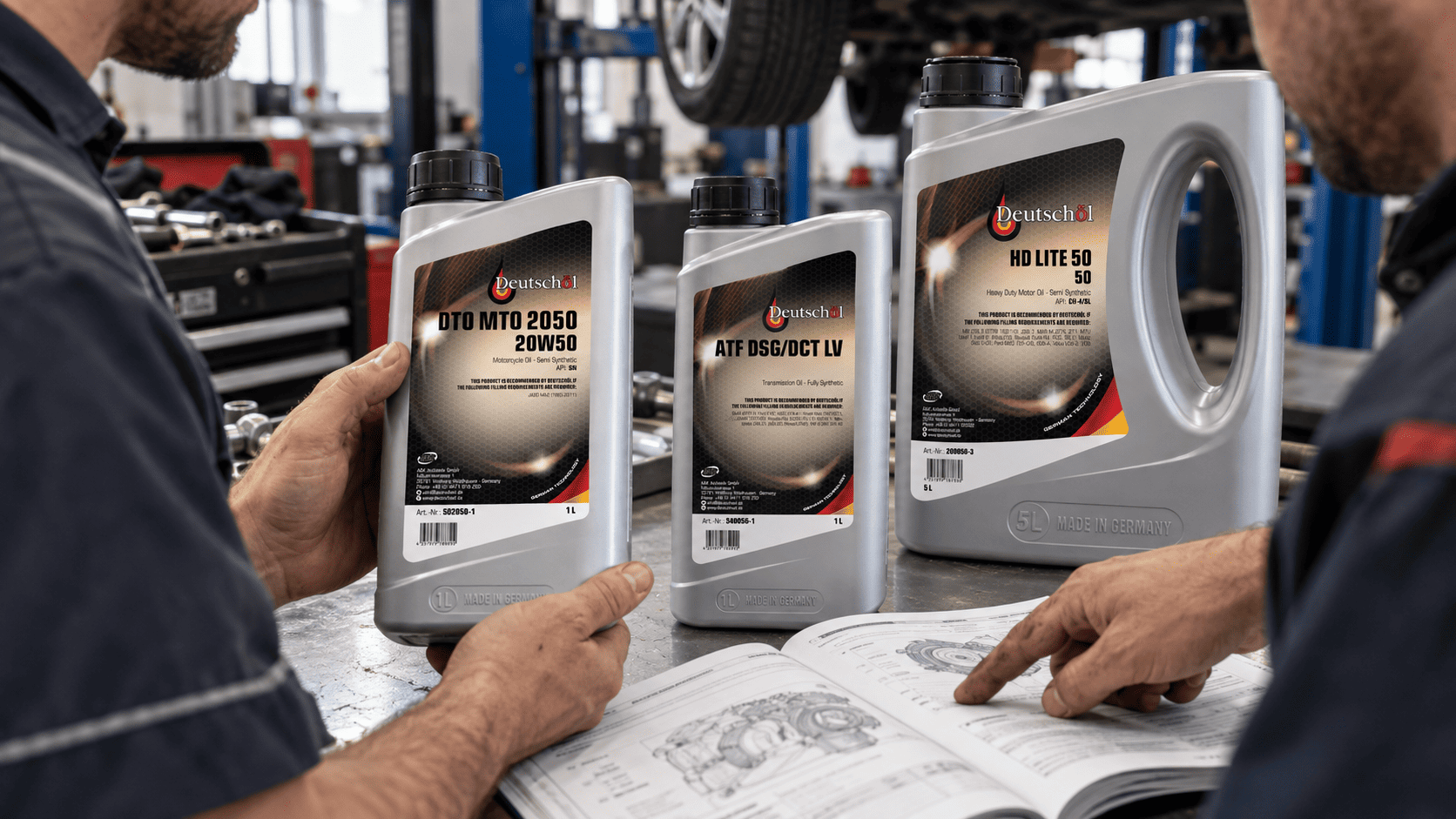
Industrial Oils & Greases
Available Products
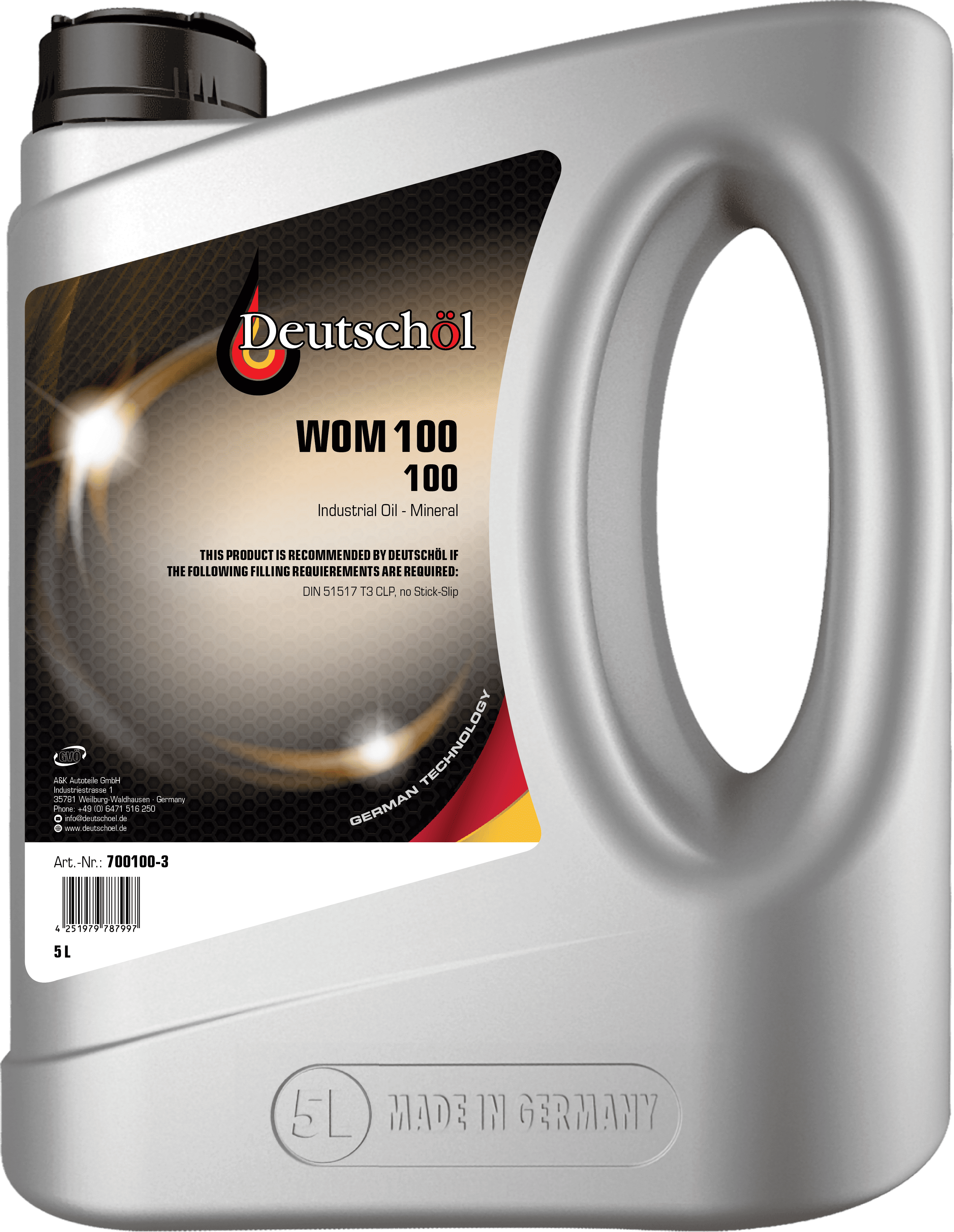
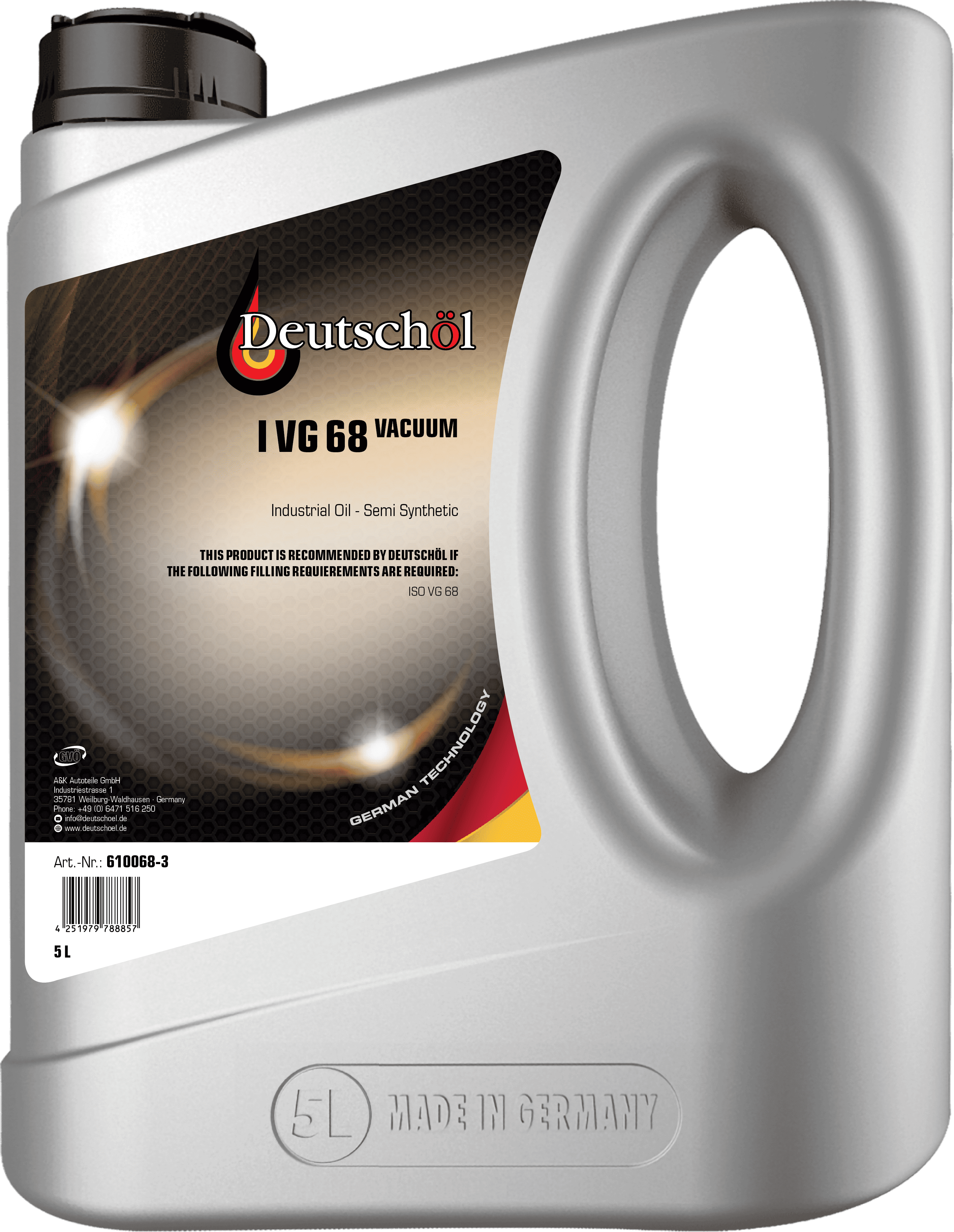
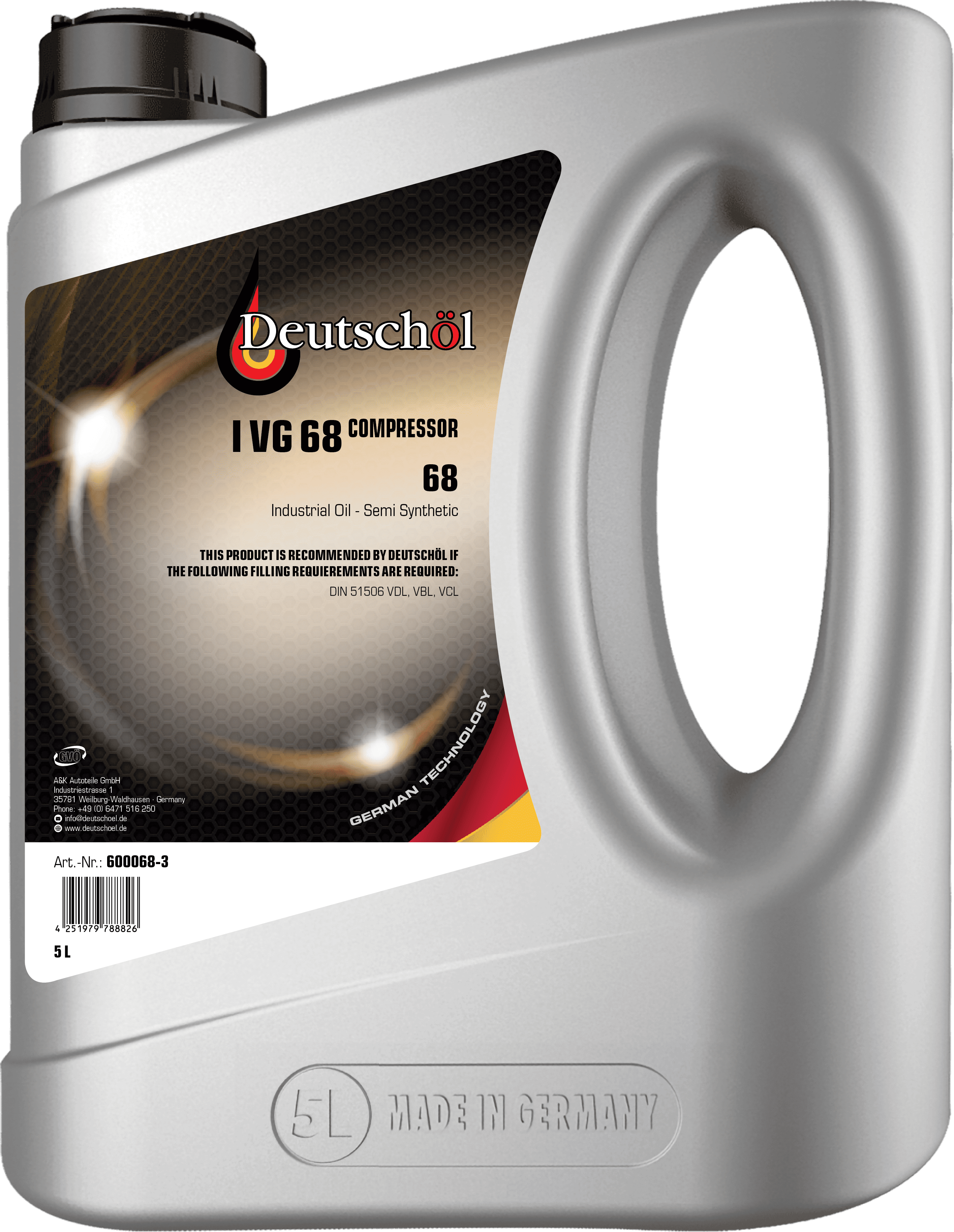
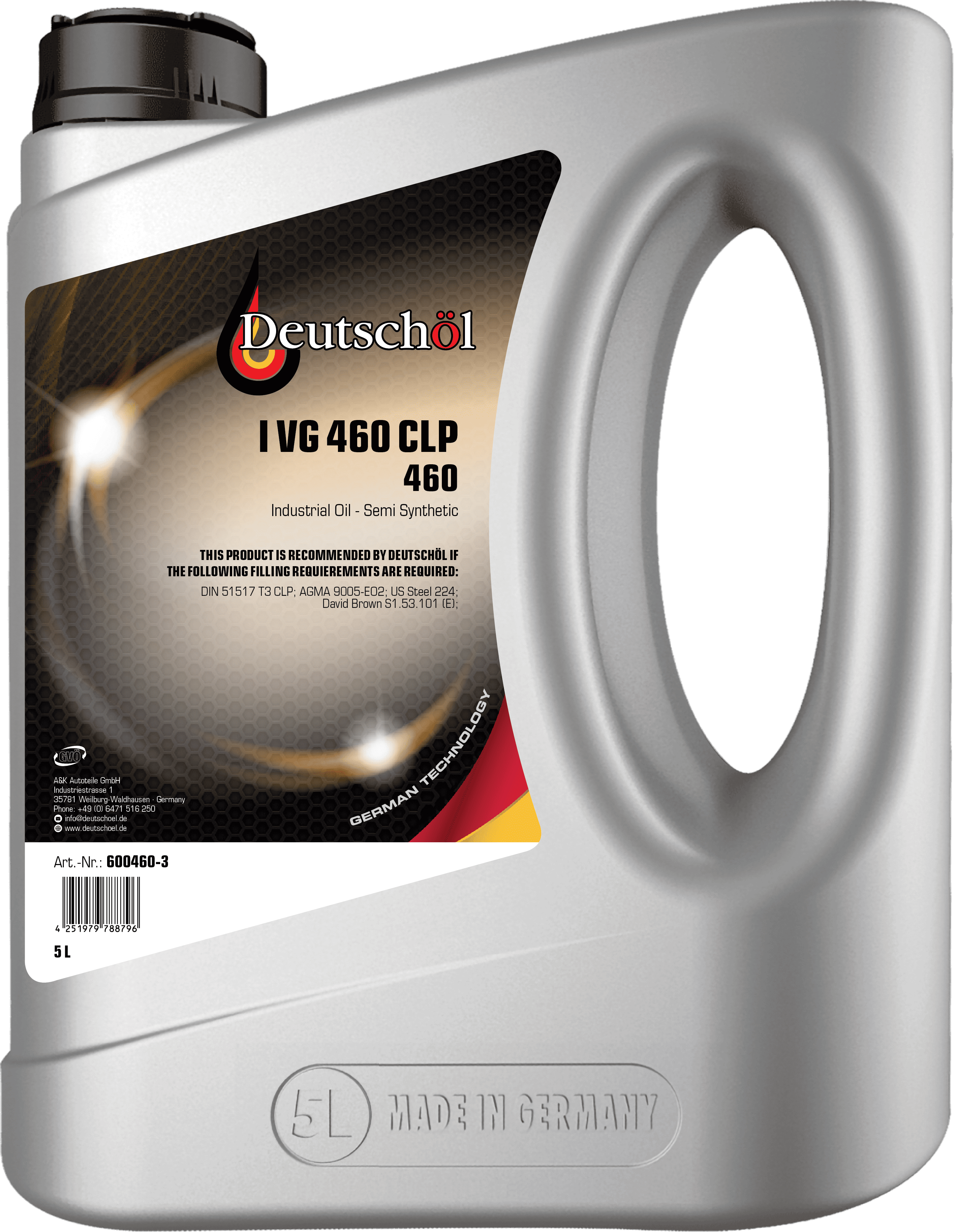
Industrial Lubricants by Machine, Load and Environment
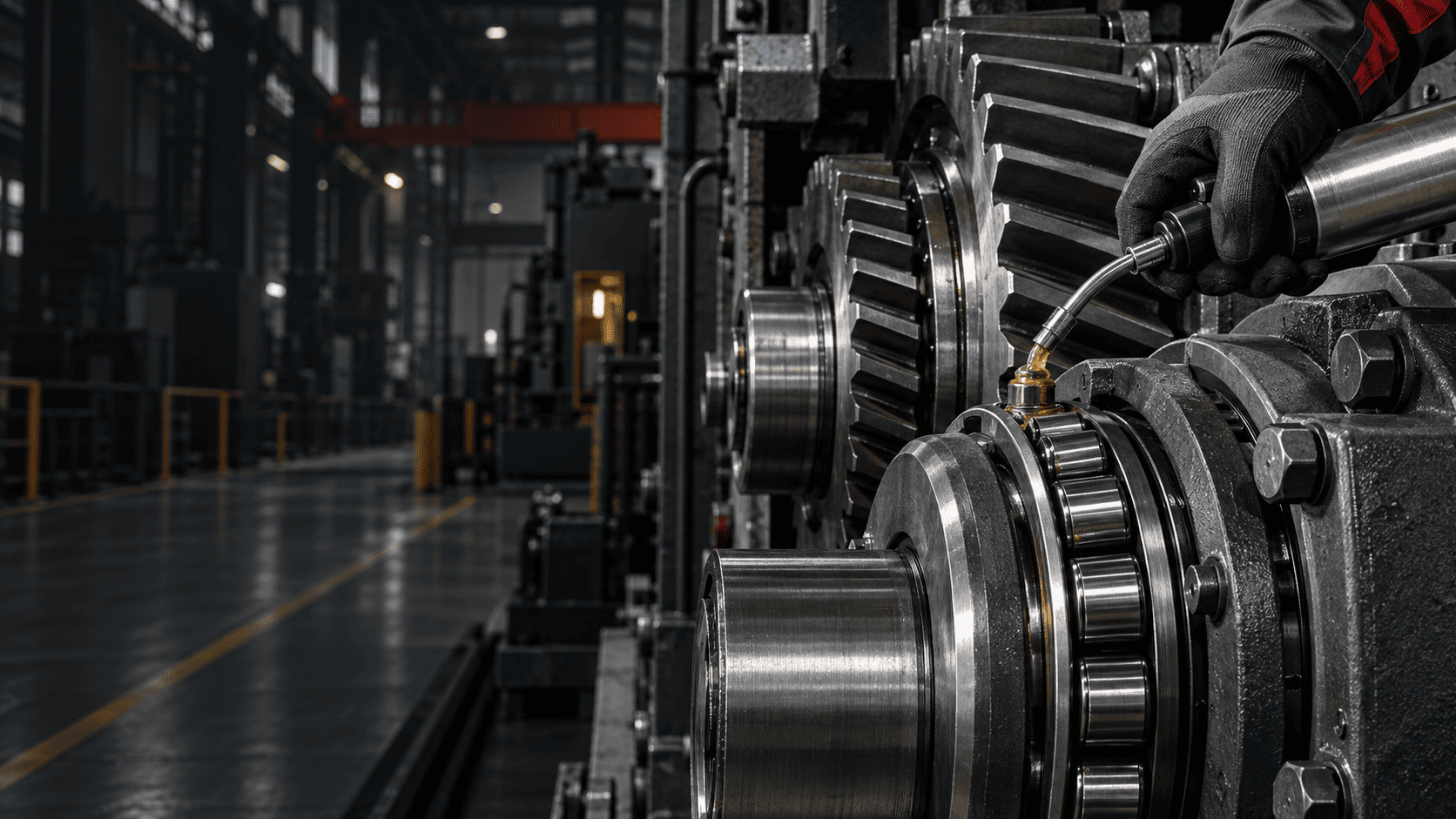
Industrial lubrication begins with the machine and the lubrication point. A compressor, enclosed gearbox, slideway and rolling bearing impose different demands even when their oils appear to share a viscosity number. Select the product family first, then confirm viscosity, performance standard, operating temperature and material compatibility.
Industrial Oils for Different Systems
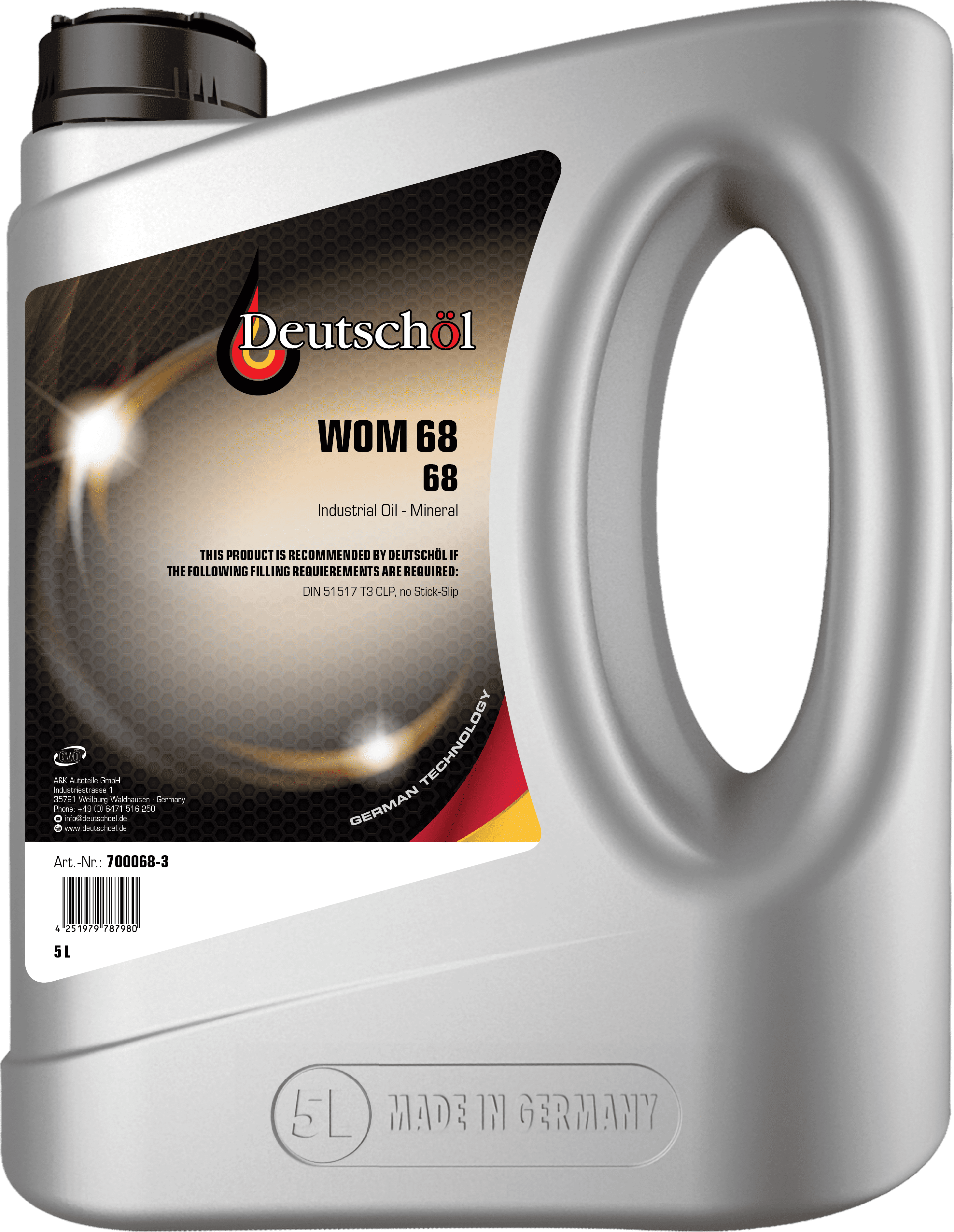
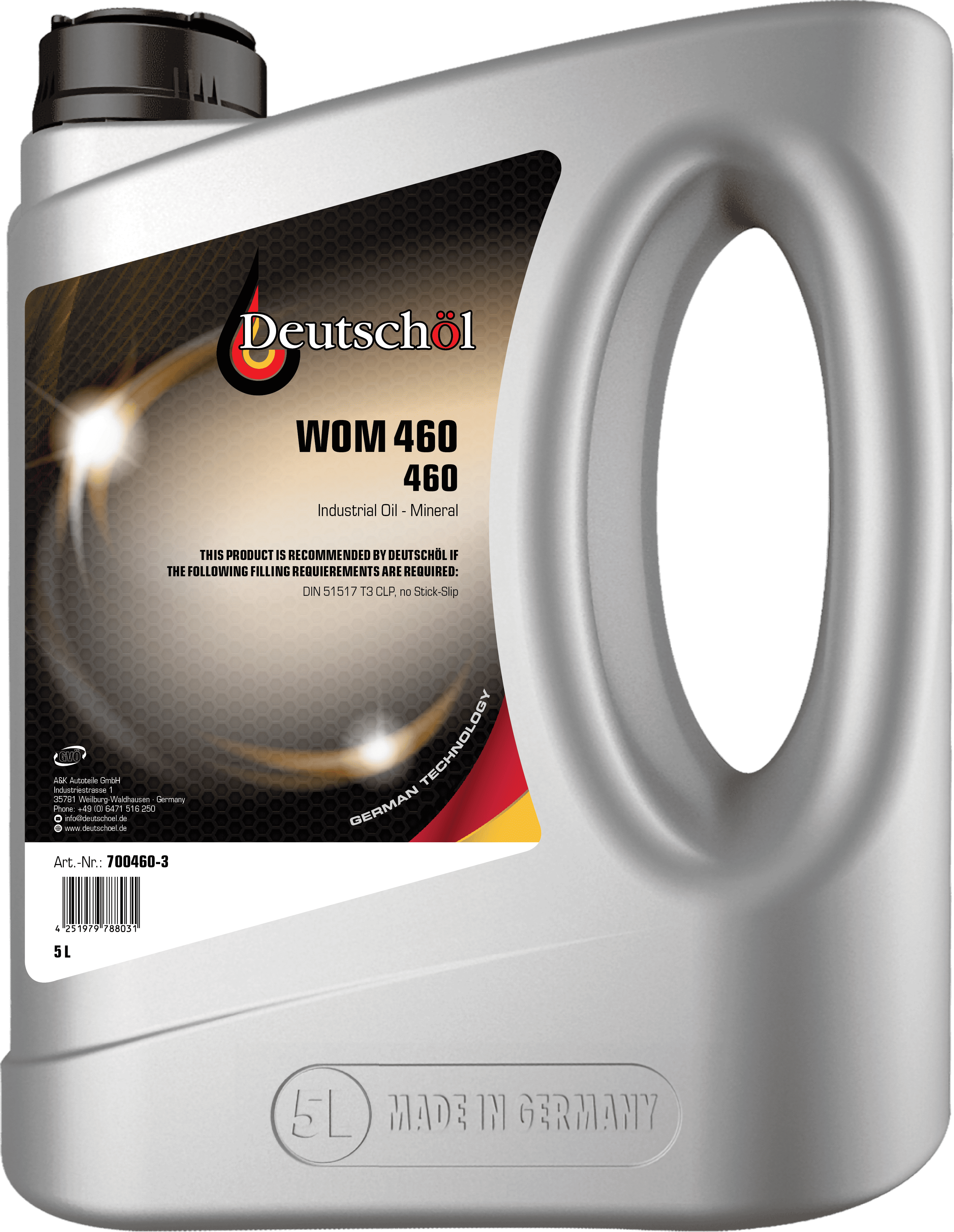
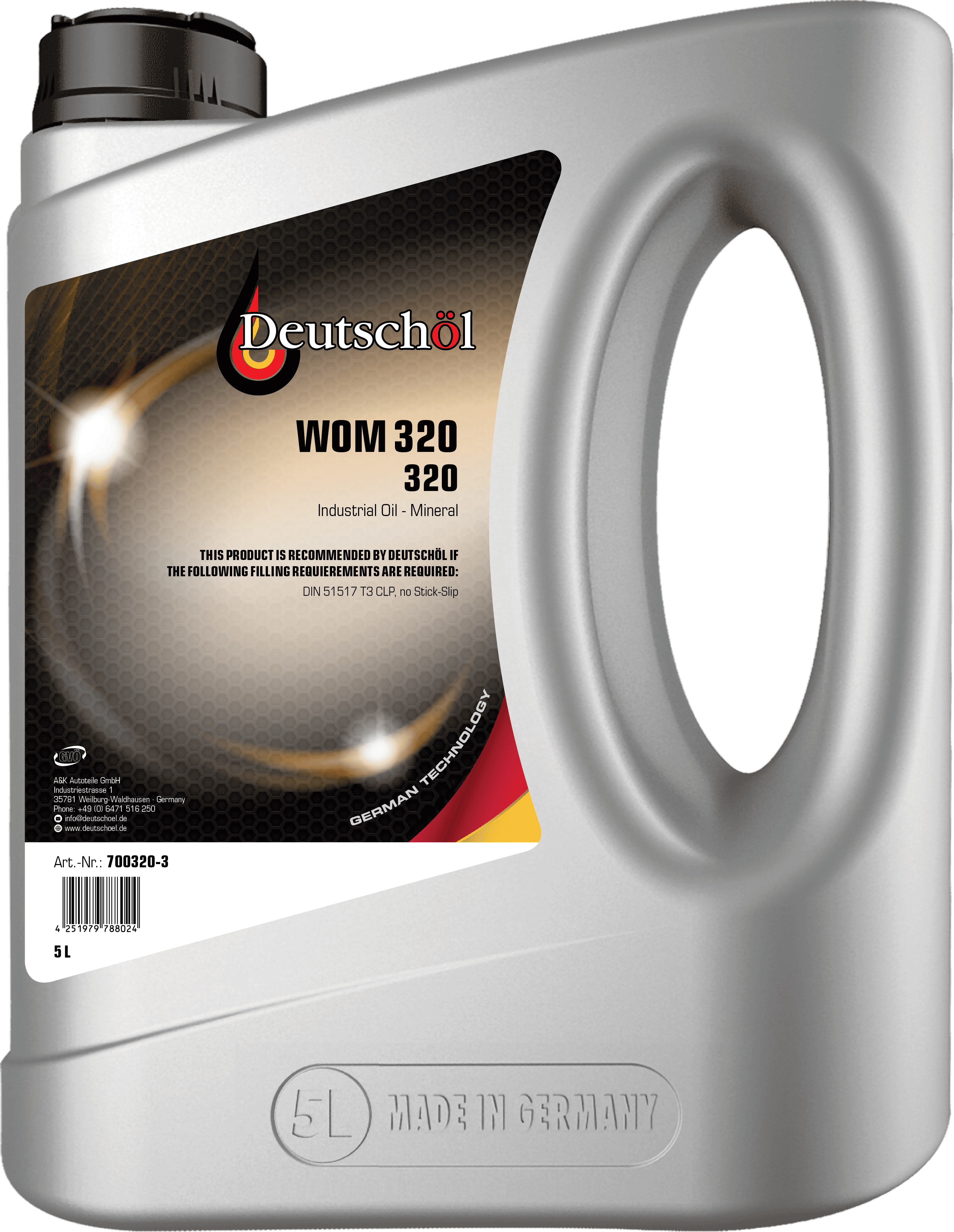
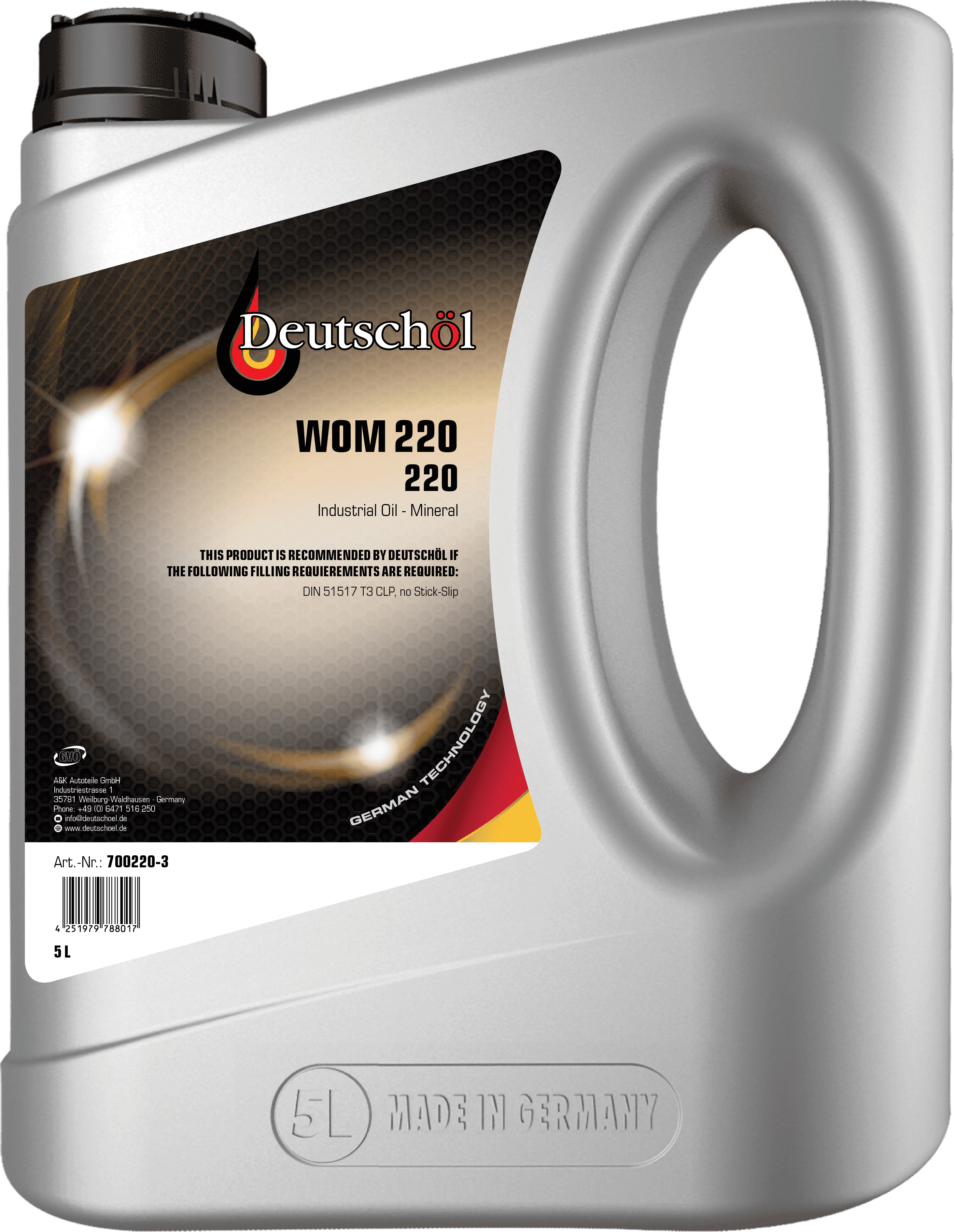
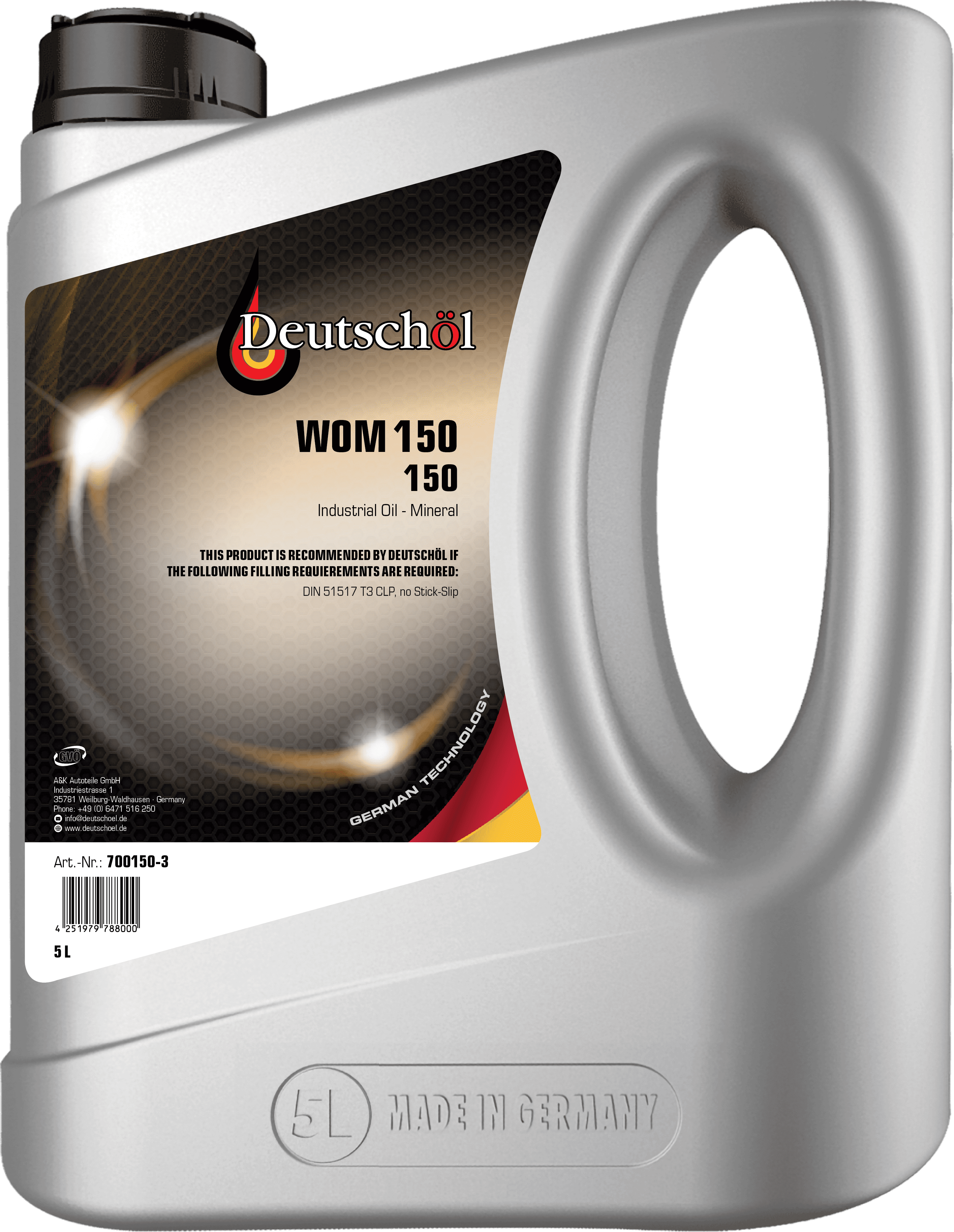
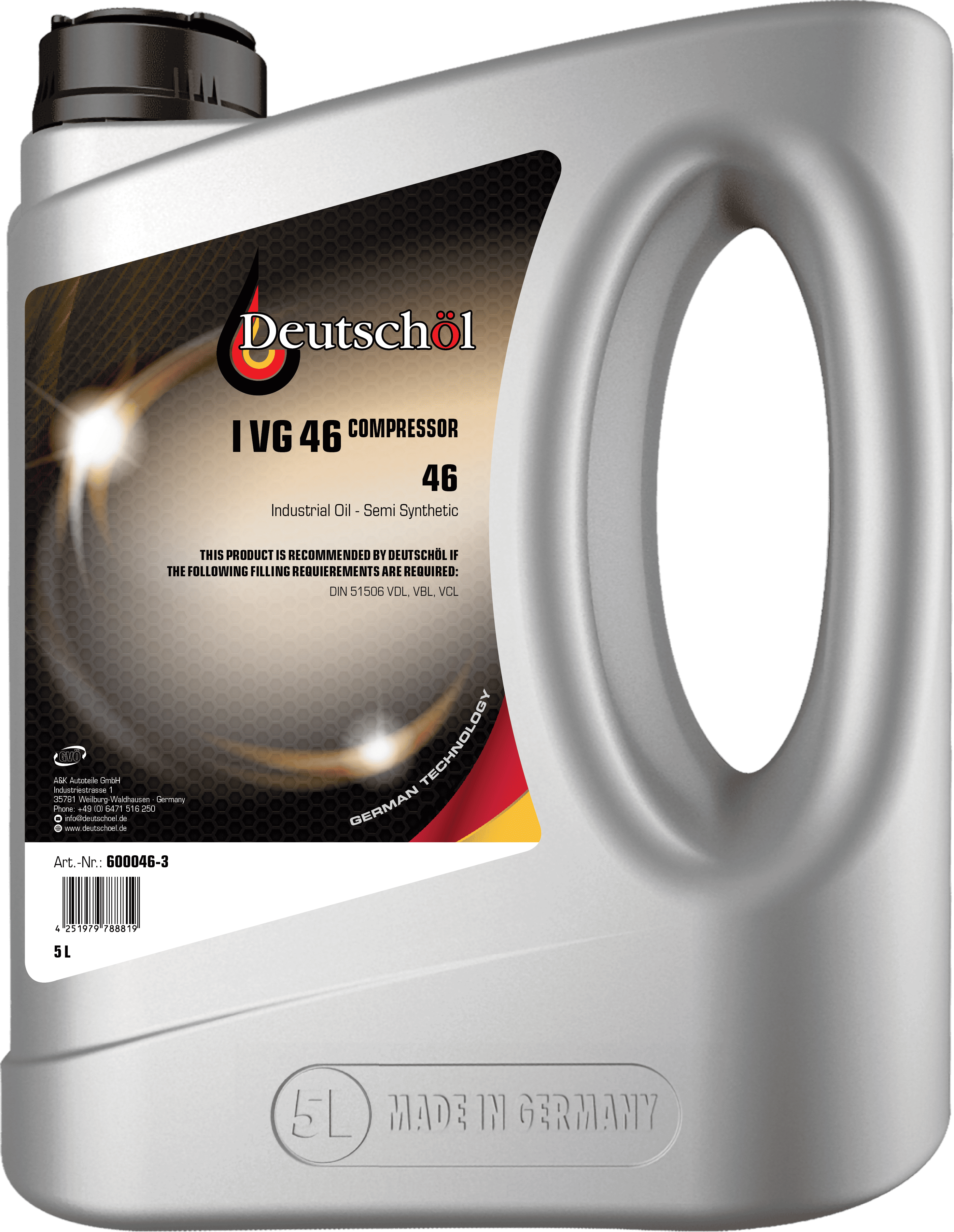
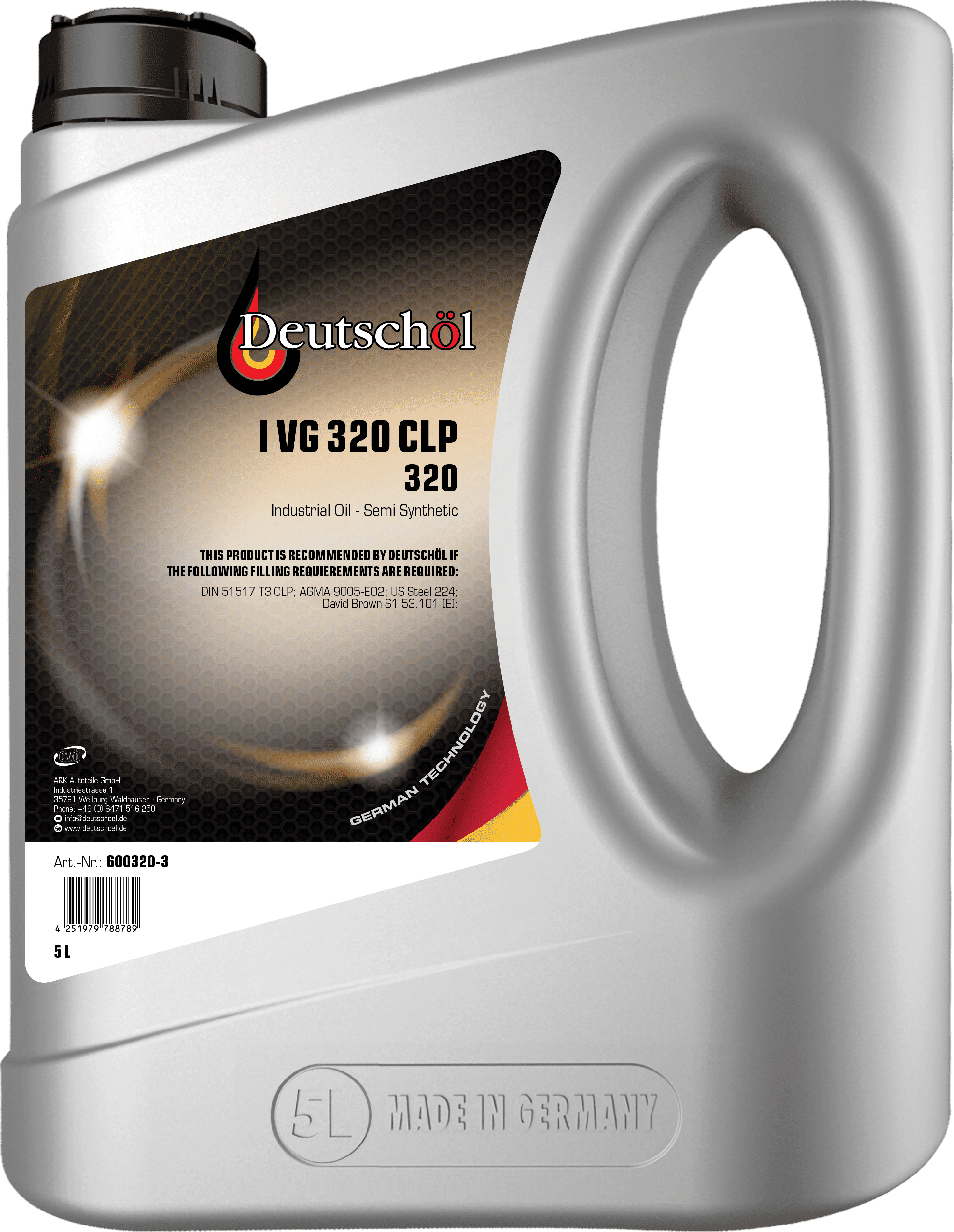
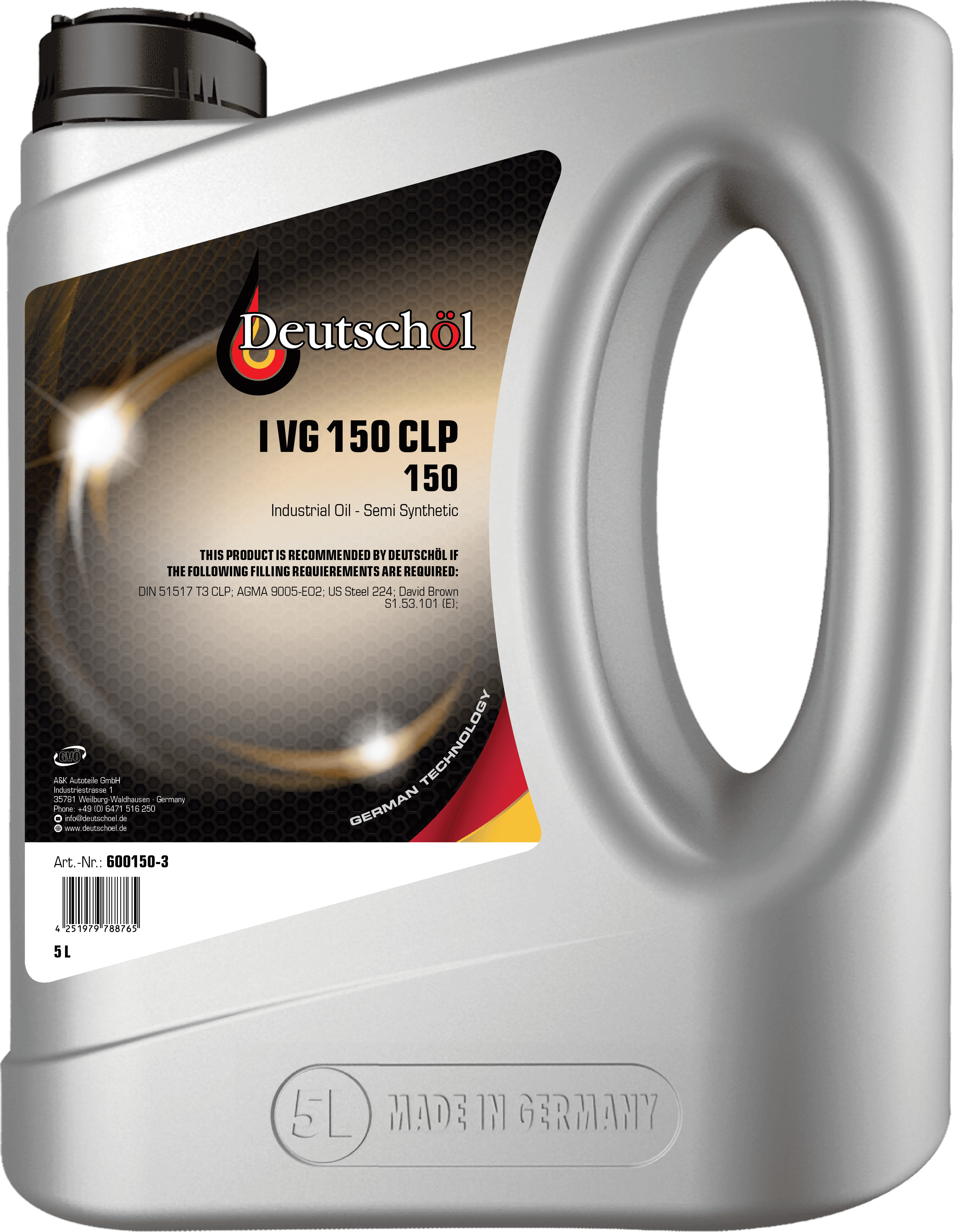
The Deutschöl range includes compressor oils, CLP industrial gear oils, vacuum-pump oil and WOM slideway oils. Compressor oils are formulated for the thermal and oxidation demands of compressed-air equipment. CLP oils are intended for enclosed industrial gears requiring wear protection. WOM oils are adhesive slideway lubricants designed to control stick-slip behaviour and work alongside machining-fluid environments.
I VG 68 Vacuum serves a different application from an ISO VG 68 compressor or gear oil. The shared viscosity number does not make these products interchangeable.
Grease Selection Uses Its Own Criteria
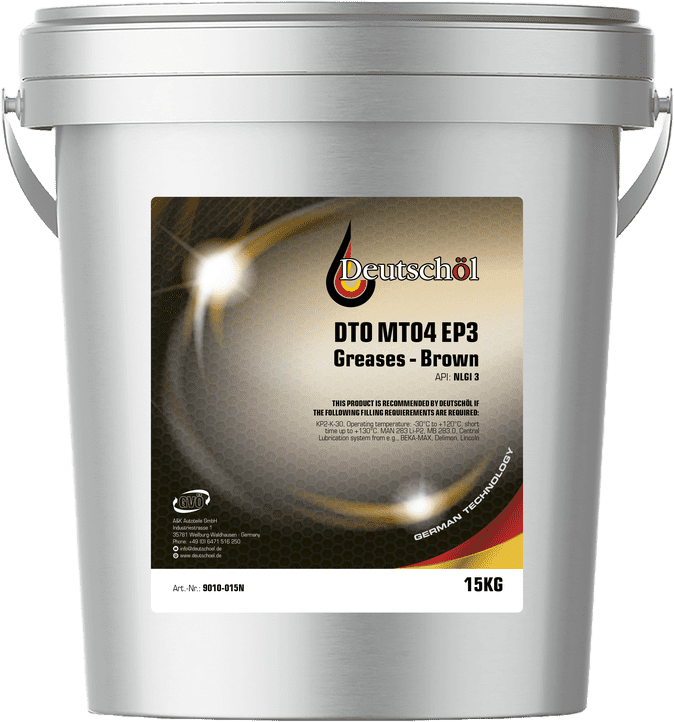
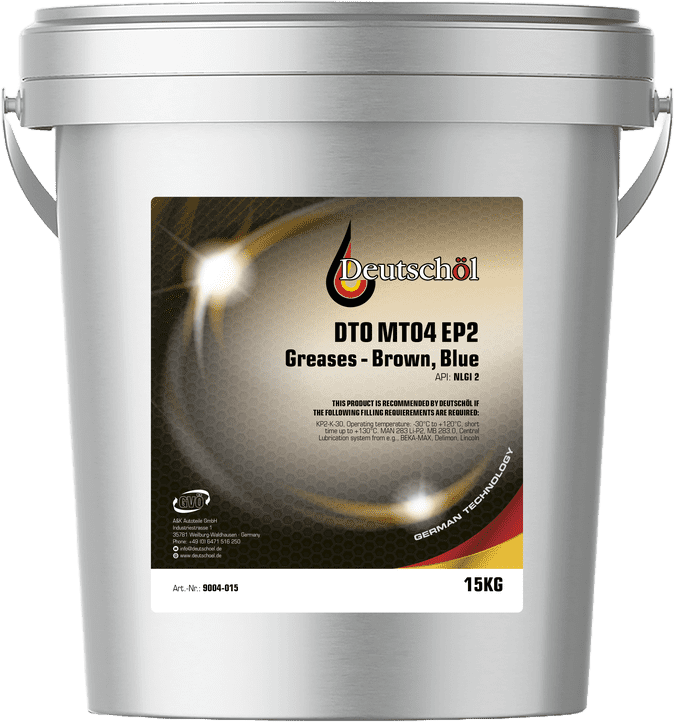
Industrial greases and pastes must be assessed by thickener system, NLGI consistency, base-oil behaviour, load, speed and temperature. Deutschöl products cover rolling and plain bearings, central lubrication, water-exposed machinery, high-temperature bearings and assembly points requiring copper or ceramic pastes.
A high-temperature assembly paste is not automatically suitable for a rotating bearing. Some products create a separating layer for threaded parts or tool interfaces rather than continuous hydrodynamic lubrication.
Viscosity and Consistency Describe Different Things
ISO VG grades such as 32, 46, 68, 100, 150, 220, 320 and 460 describe industrial-oil viscosity classes. NLGI grades describe grease consistency. Neither classification alone states the full performance level. Load-carrying capability, oxidation stability, water behaviour, corrosion protection and seal compatibility remain part of the selection.
Build the Decision Around the Equipment
Before choosing an industrial lubricant:
- Identify the machine, component and lubrication method.
- Confirm the required ISO VG or NLGI grade.
- Check the applicable DIN, ISO or equipment-manufacturer specification.
- Review temperature, load, speed, water exposure and contamination risk.
- Confirm compatibility with seals, non-ferrous metals and the lubricant already in service.
- Plan the correct drain, purge or relubrication procedure.
For critical equipment, condition monitoring and lubricant analysis should support the maintenance interval rather than relying only on calendar time.
Why Choose Deutschöl?
German Lubricant Expertise
Performance and Protection
Recognised Standards and Specifications
FAQs
Need Help Choosing the Right Product?