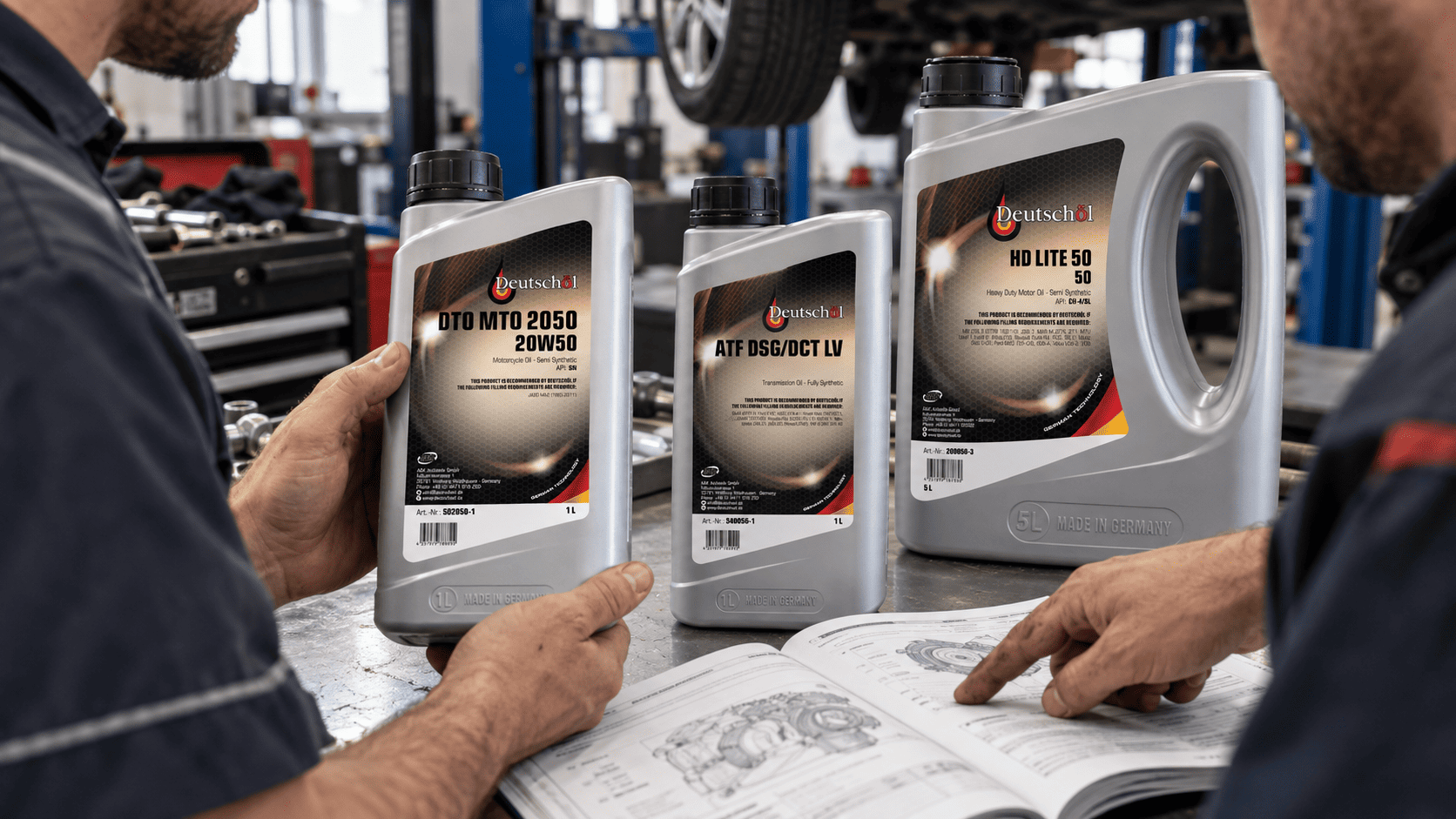
Motorcycle Oils

Available Products



Choosing the Right Motorcycle Oil
Choosing a motorcycle oil starts with the requirements specified by the motorcycle manufacturer. Engine type, SAE viscosity grade, performance specifications and lubrication-system design must all be considered. A matching viscosity grade alone does not confirm that an oil is suitable for a particular motorcycle.
Two-Stroke and Four-Stroke Motorcycle Oils
Two-stroke and four-stroke engines use different lubrication systems and require oils developed for their respective operating principles.
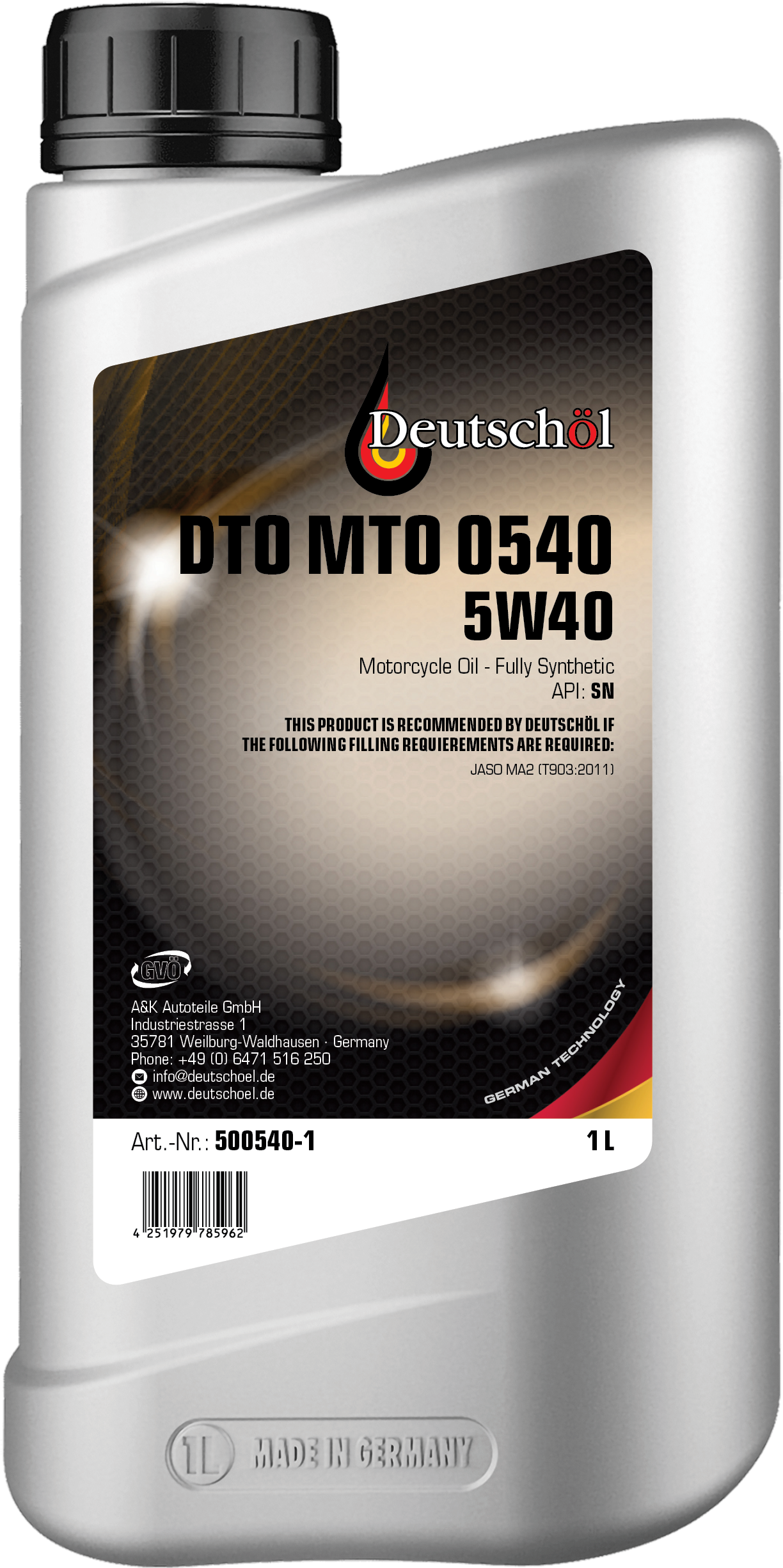
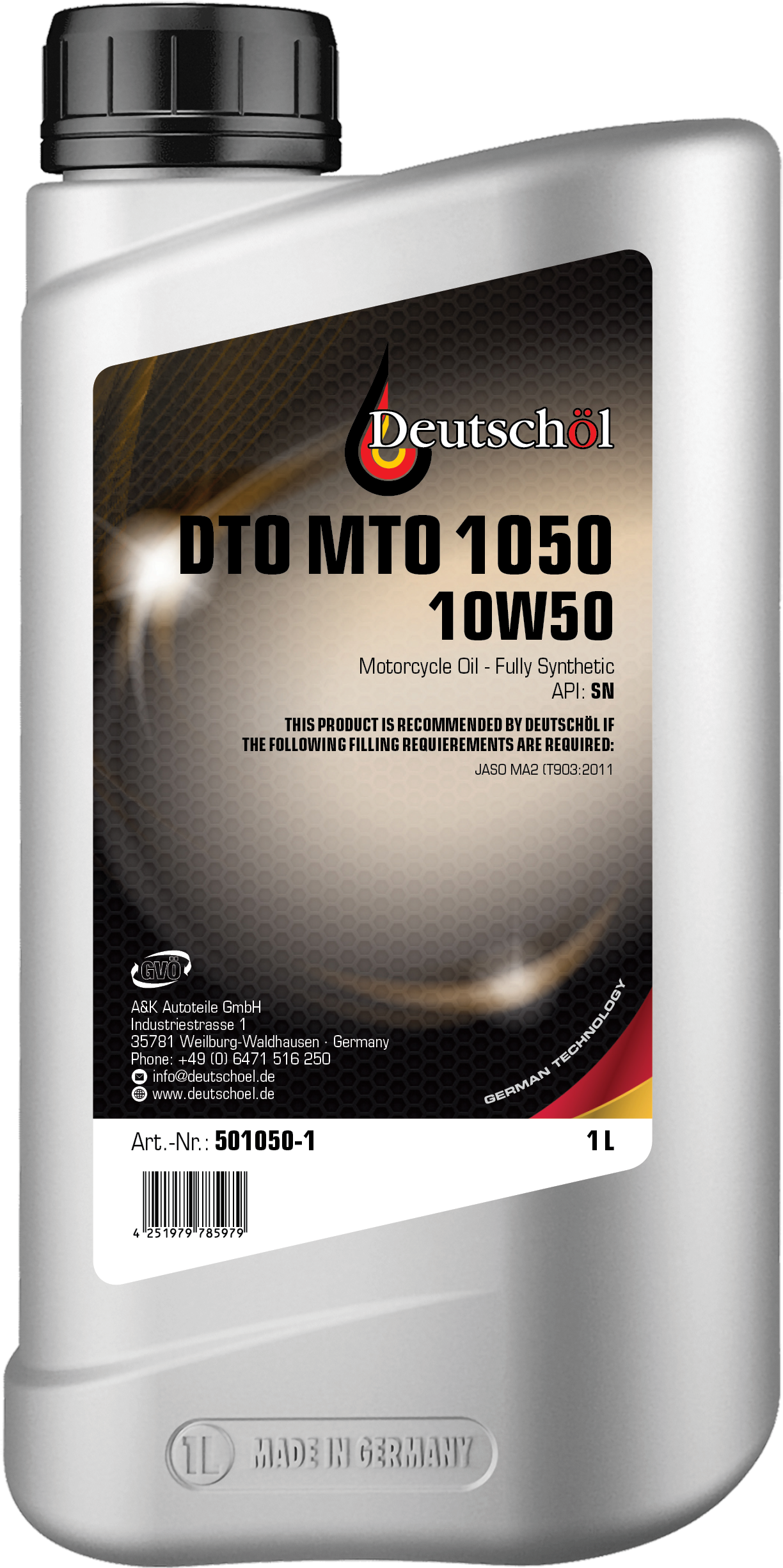
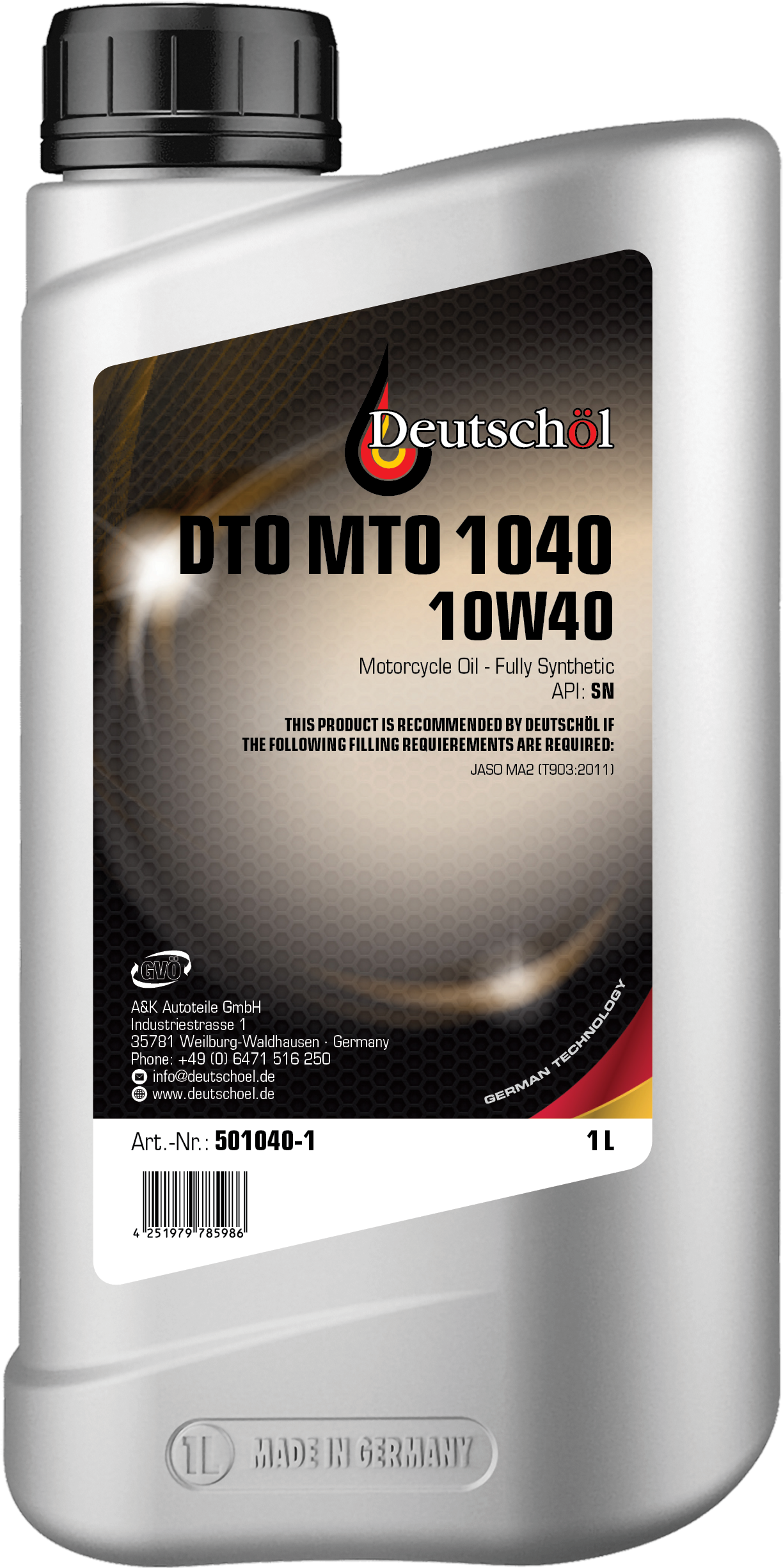
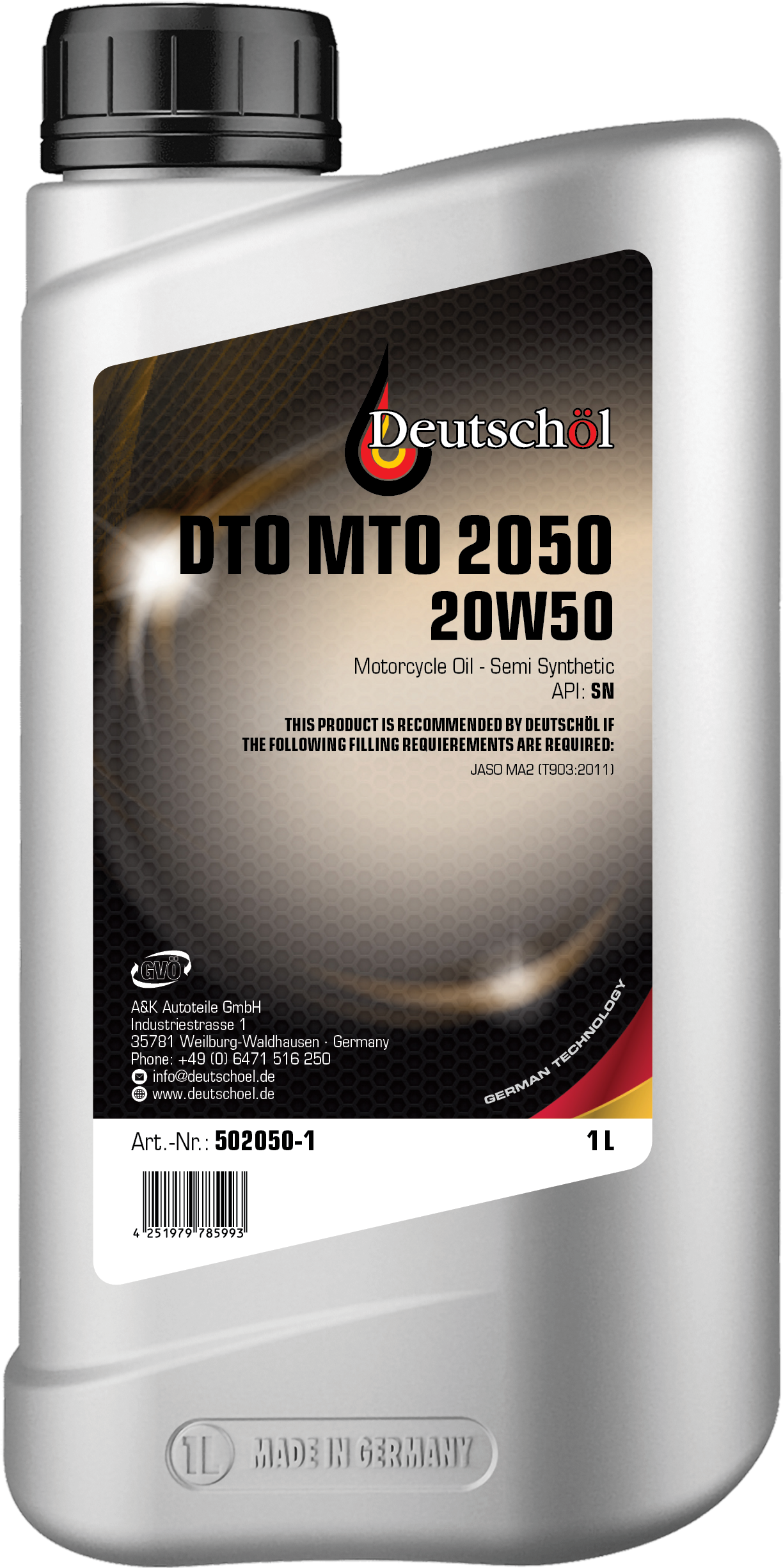
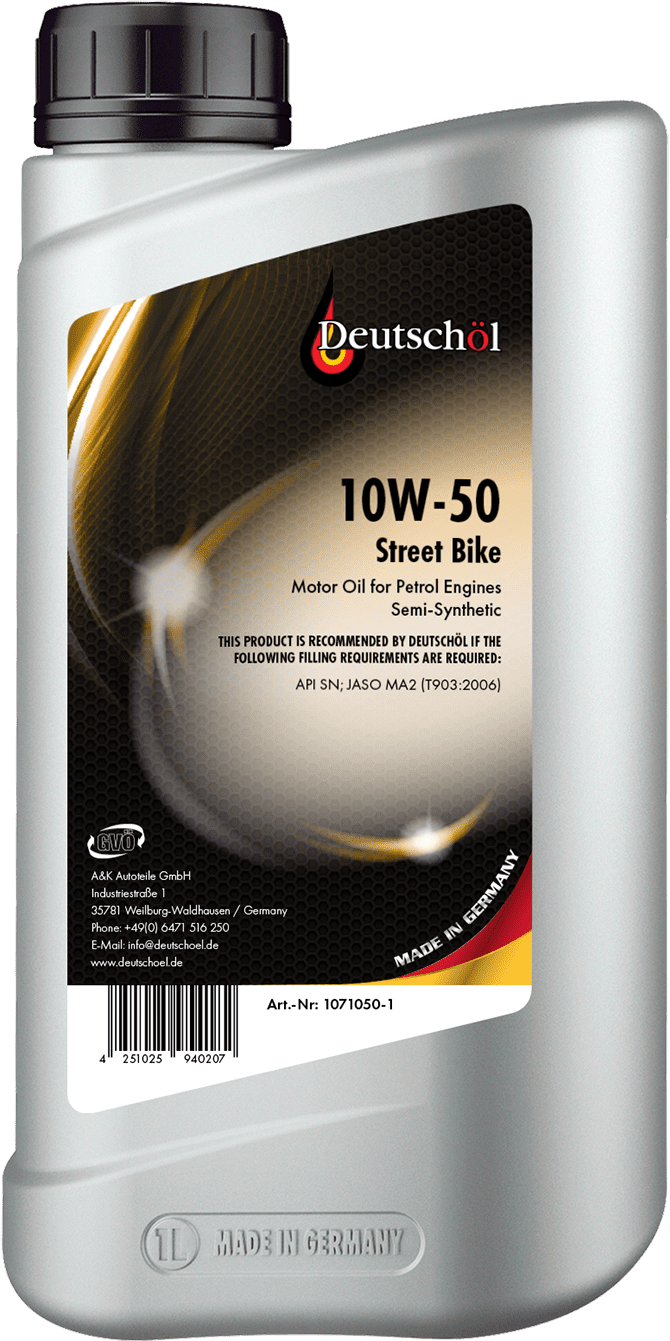
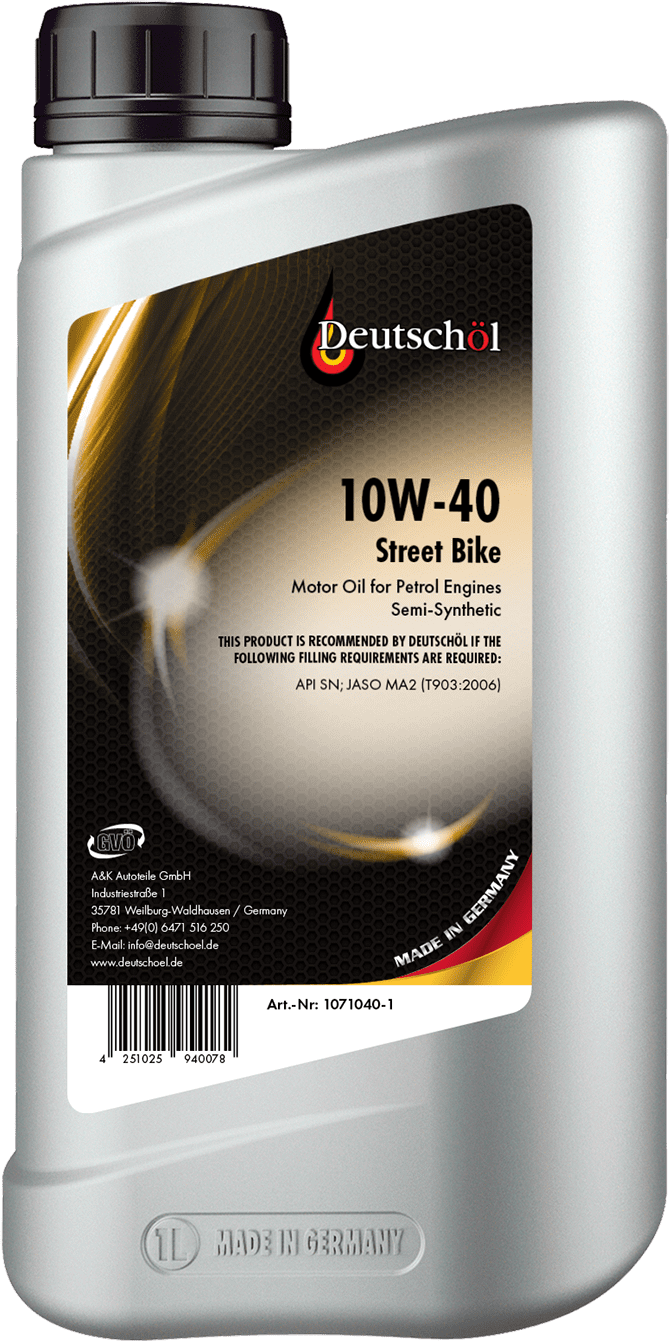
Deutschöl four-stroke motorcycle oils are intended for air- and water-cooled engines. The DTO MTO range includes products designed for motorcycles in which the engine, transmission and wet clutch share the same lubricant. These products are available in SAE 5W-40, 10W-40, 10W-50 and 20W-50 viscosity grades.
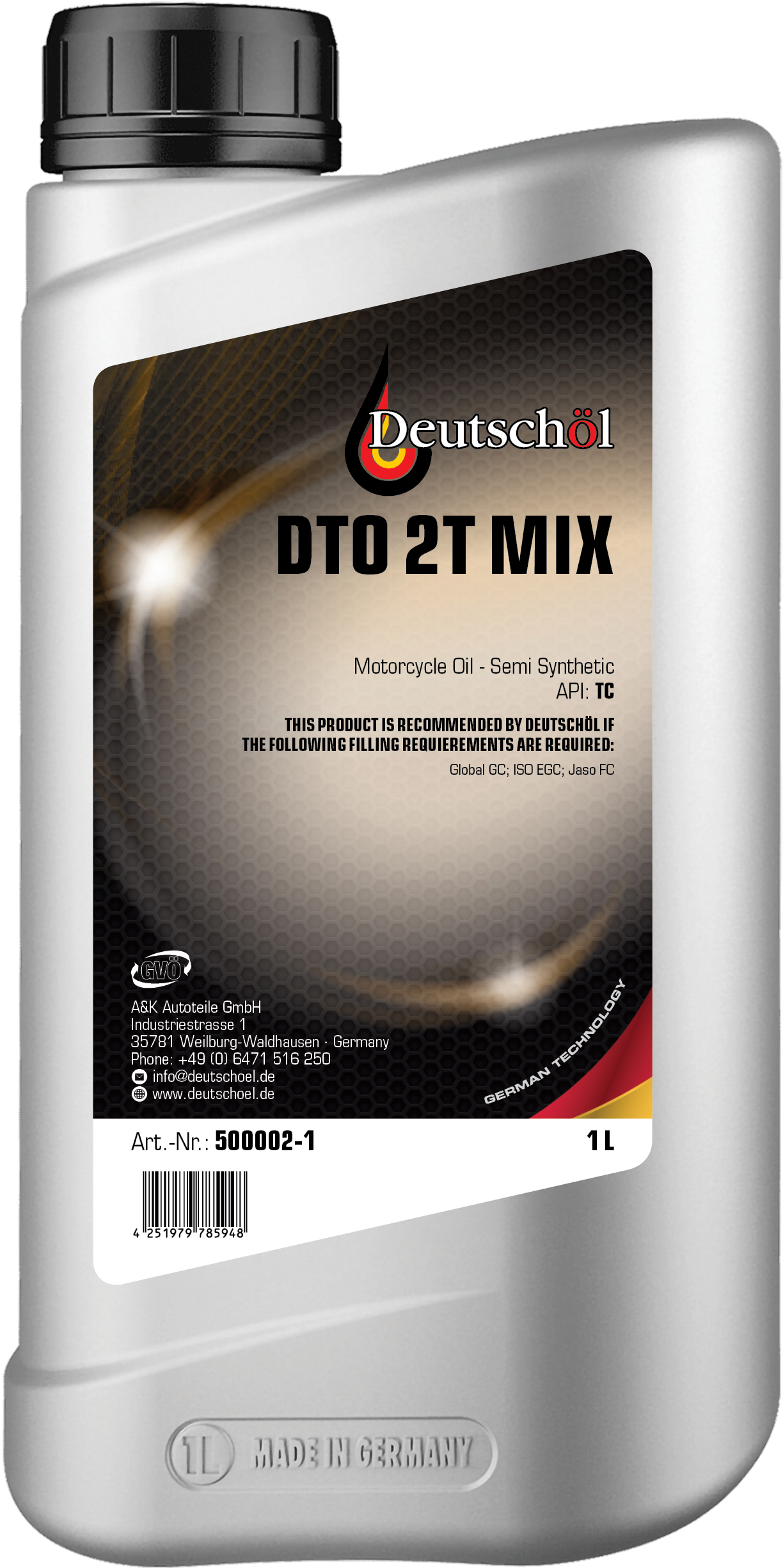
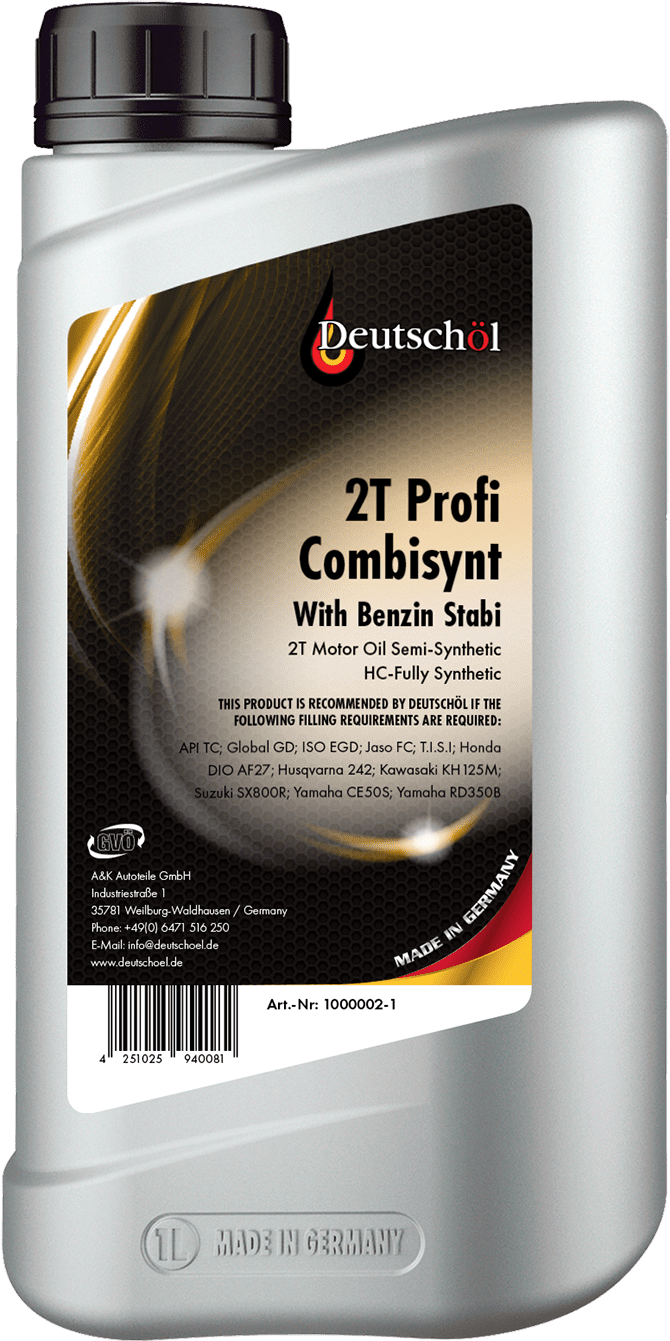
Deutschöl two-stroke oils are intended for air- and water-cooled two-stroke petrol engines. Depending on the product, they can be used in self-mixing fuel systems, premixed fuel or separate-lubrication systems. Never substitute a four-stroke motorcycle oil for a required two-stroke oil, or vice versa.
Understanding Motorcycle-Oil Viscosity
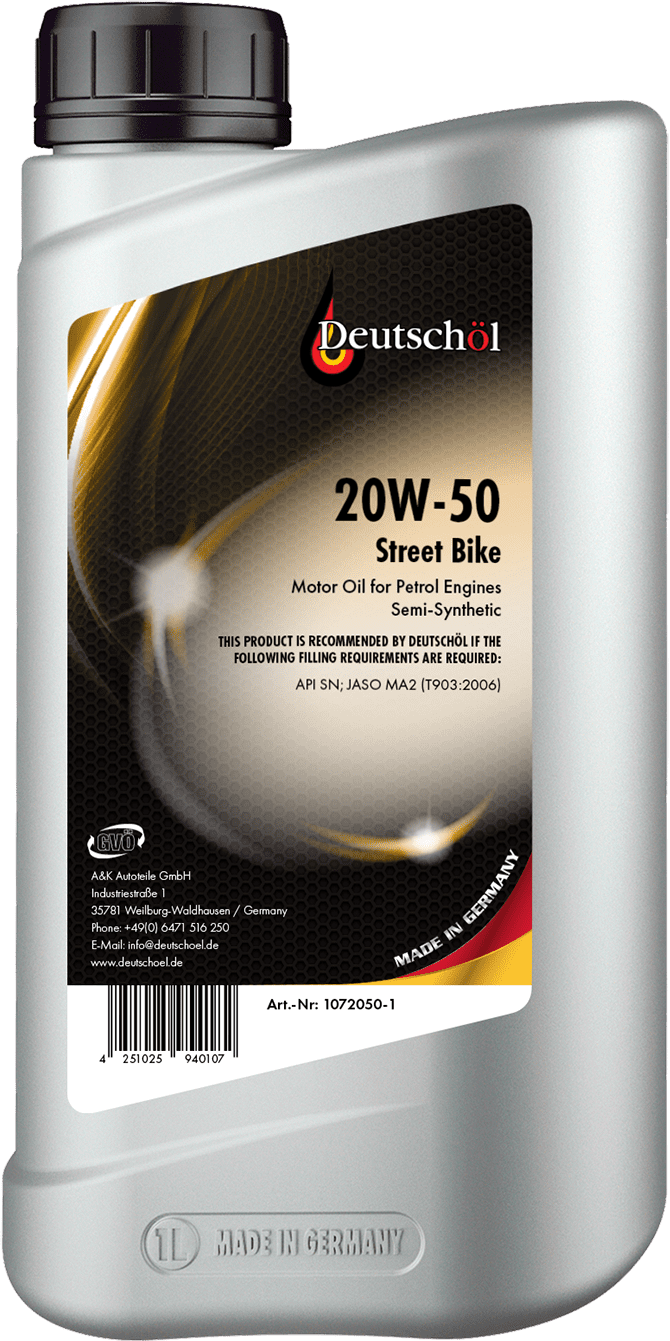
An SAE grade such as 5W-40, 10W-40 or 20W-50 describes the oil’s viscosity classification. The first number, followed by “W,” relates to lower-temperature performance. The second number relates to viscosity at normal engine operating temperatures.
The correct grade depends on the motorcycle manufacturer’s requirements, expected temperatures and operating conditions. A thicker or thinner oil is not automatically better. Use an SAE viscosity grade permitted for the motorcycle.
API and JASO Specifications
API classifications describe engine-oil performance requirements. Deutschöl four-stroke motorcycle oils in this range list API SN performance.
JASO motorcycle-oil specifications are particularly relevant to motorcycles that use one lubricant for the engine, gearbox and wet clutch. The four-stroke DTO MTO products shown on this page list JASO MA2. Deutschöl’s two-stroke products instead list JASO FC or JASO FD alongside API TC and relevant ISO or Global classifications.
Specifications should always be read as a complete combination. Confirm that the product’s SAE, API and JASO classifications match the requirements in the motorcycle documentation.
What to Check Before Selecting an Oil
Before choosing a Deutschöl motorcycle oil:
- Confirm whether the motorcycle has a two-stroke or four-stroke engine.
- Check the required SAE viscosity grade, where applicable.
- Identify the required API and JASO performance specifications.
- Determine whether the engine, transmission and wet clutch share the same oil.
- For two-stroke engines, confirm whether mixed or separate lubrication is required.
- Follow the motorcycle manufacturer’s specified oil-change interval and service instructions.
If the required information is unclear, consult the motorcycle manual or seek qualified technical advice before use.
Why Choose Deutschöl?
German Lubricant Expertise
Performance and Protection
Recognised Standards and Specifications
FAQs
Need Help Choosing the Right Product?