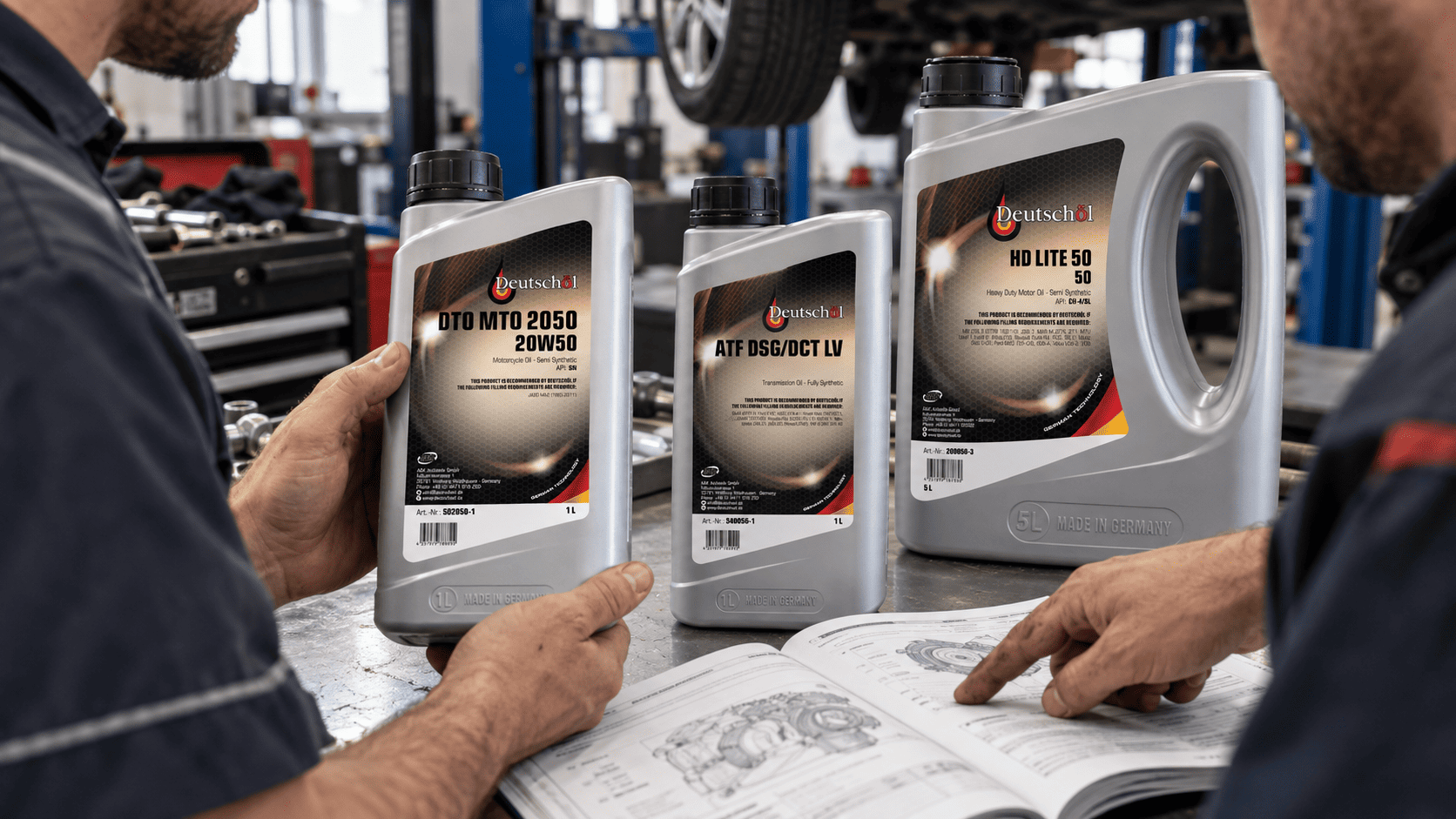
Brake Fluids
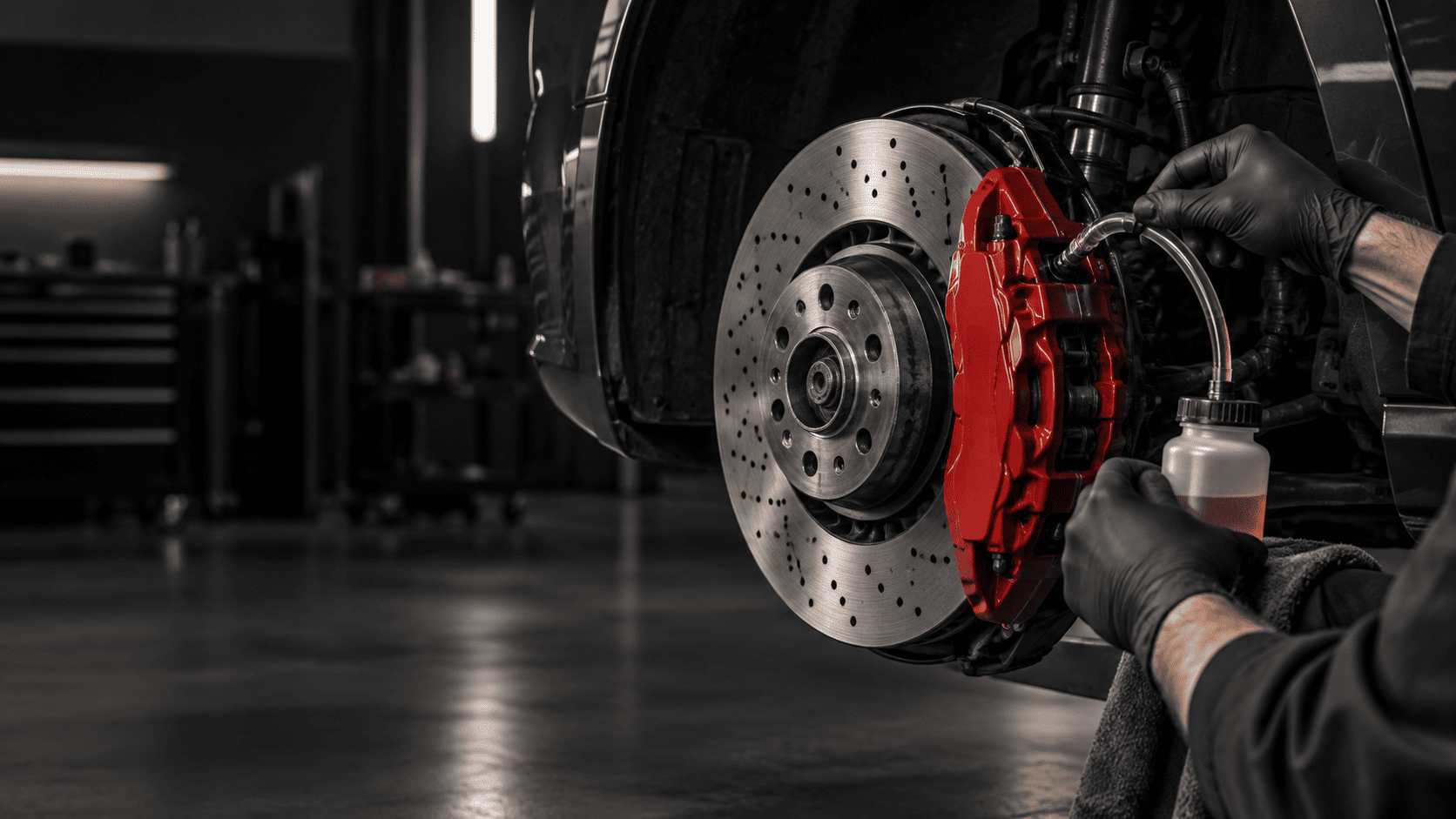
Available Products
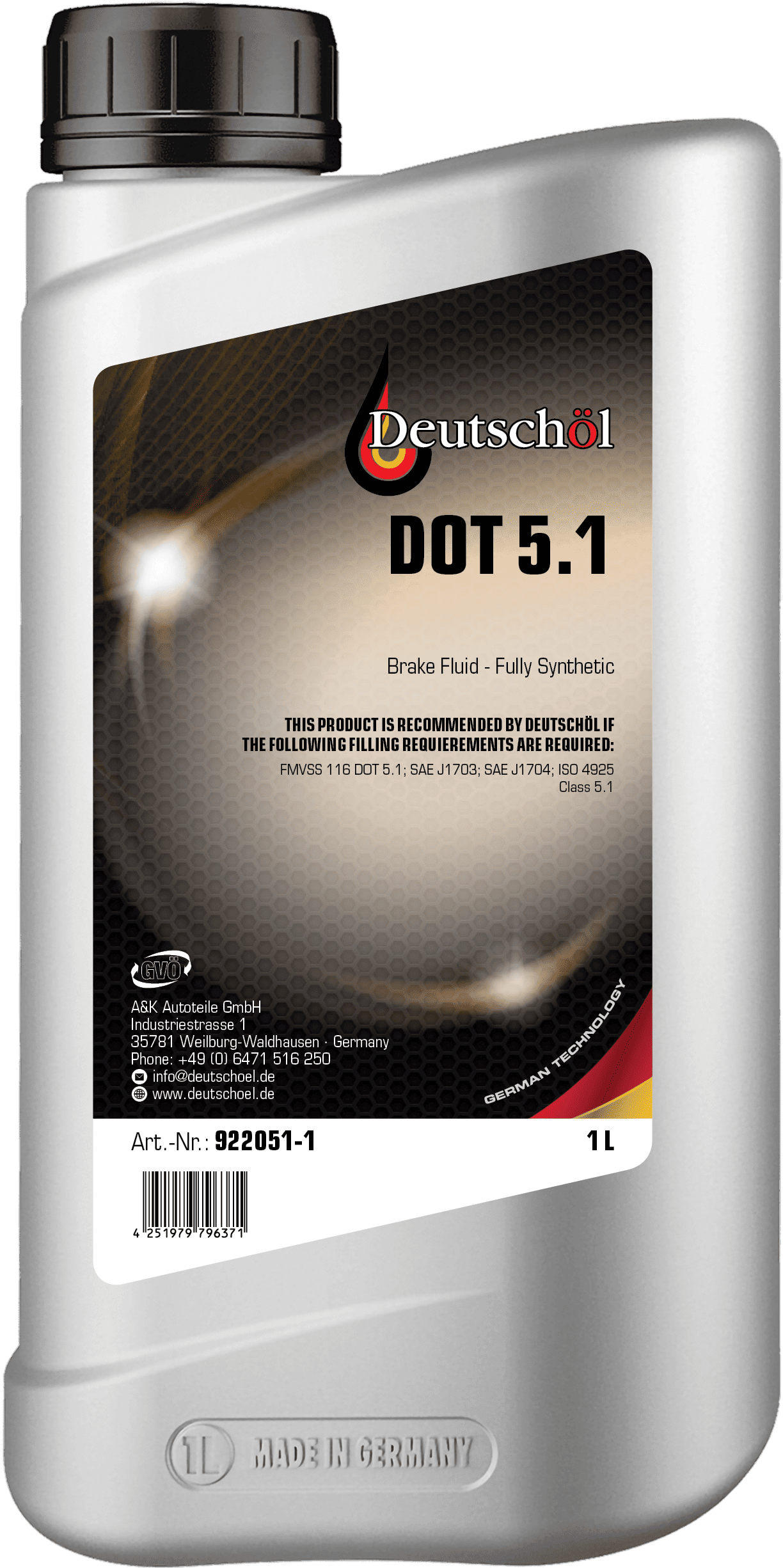
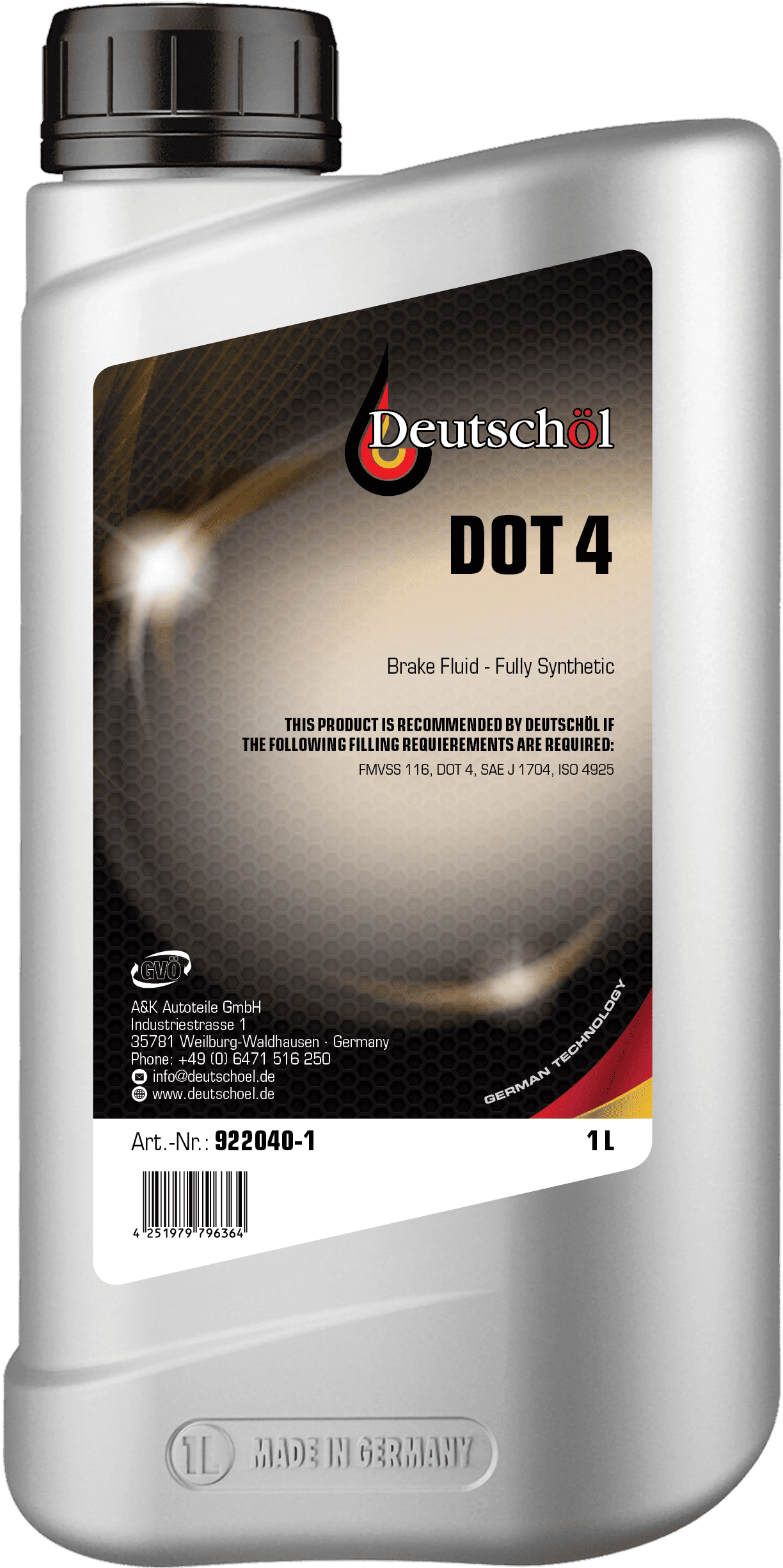
Top Sellers
Understanding DOT Brake Fluid Grades
Brake fluid transfers pedal force through a hydraulic system, but it also has to remain dependable under heat, pressure and changing weather conditions. Selecting the correct fluid is therefore a safety-critical decision. The required DOT grade must come from the vehicle manufacturer, not from colour, price or the assumption that the highest number is automatically the best choice.
DOT 3, DOT 4 and DOT 5.1 Serve Different Requirements
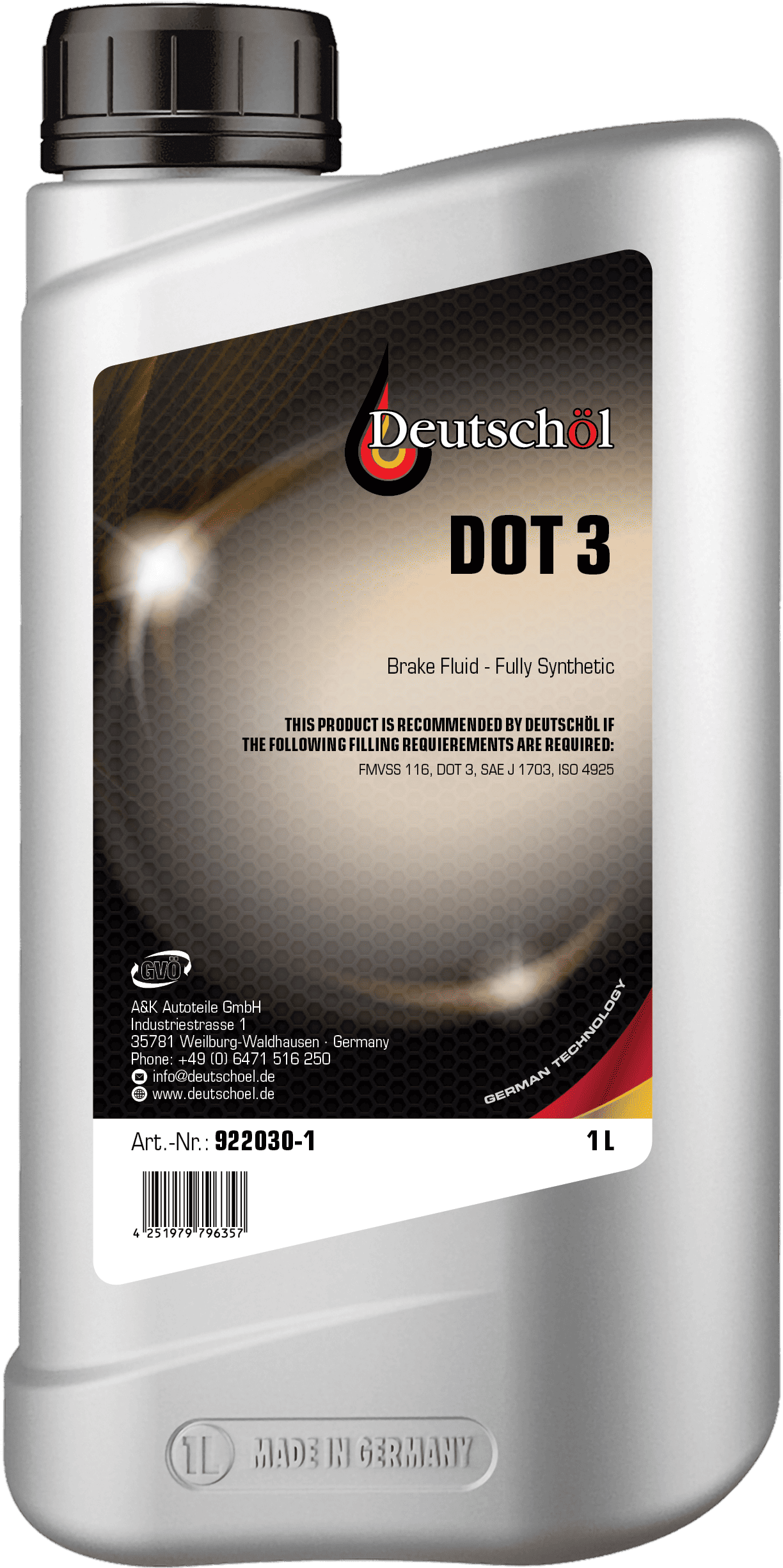
Deutschöl offers DOT 3, DOT 4 and DOT 5.1 brake fluids. These classifications define performance requirements that include boiling behaviour, low-temperature flow and chemical compatibility. A vehicle designed for DOT 4 or DOT 5.1 may place different demands on the fluid from one specified for DOT 3.
DOT 5.1 should not be confused with DOT 5. DOT 3, DOT 4 and DOT 5.1 fluids are generally glycol-based, while DOT 5 is silicone-based and belongs to a different compatibility class. Never substitute one simply because the names appear similar.
Why Boiling Performance Matters
Braking converts motion into heat. Under repeated or heavy braking, that heat can reach the brake fluid. Fresh fluid has a dry boiling point; fluid that has absorbed moisture is assessed by its wet boiling point. As moisture content rises over time, the boiling margin can fall and the risk of vapour formation under severe braking can increase.
This is why brake fluid condition and replacement intervals matter even when the system still feels normal in everyday driving. The correct grade must provide the performance specified for the vehicle throughout the intended service period.
Compatibility Comes Before Convenience
Brake fluid may also operate hydraulic clutch circuits, depending on the vehicle. Seals, hoses, control systems and braking hardware are designed around particular fluid requirements. Mixing grades without manufacturer approval can alter performance, while contamination by oil, water, dirt or incompatible fluid can damage the system.
Use fluid from a clean, tightly sealed container. Do not return removed fluid to the container, and do not use brake fluid that has been stored open for an extended period.
What to Confirm Before Selecting Brake Fluid
- Read the DOT grade specified in the vehicle manual or on the reservoir cap.
- Check whether the same reservoir also supplies a hydraulic clutch.
- Confirm any additional manufacturer specification stated for the vehicle.
- Use unopened or correctly stored fluid from a clean container.
- Follow the prescribed bleeding and replacement procedure.
If the required grade is unclear, have the system identified by a qualified technician before topping up or replacing the fluid.
Why Choose Deutschöl?
German Lubricant Expertise
Performance and Protection
Recognised Standards and Specifications
FAQs
Need Help Choosing the Right Product?