HYD HVLP 68 Hydraulic Oil

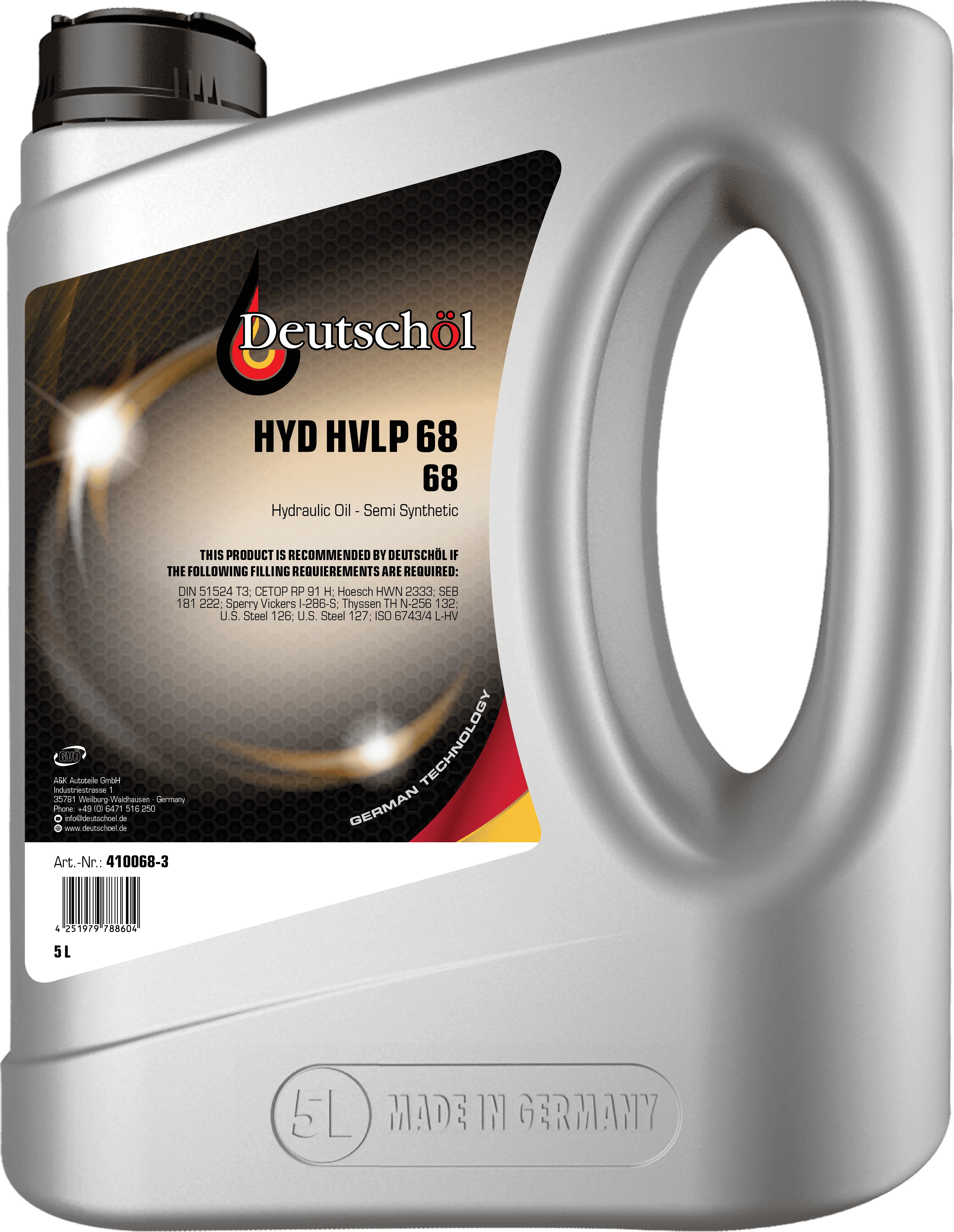
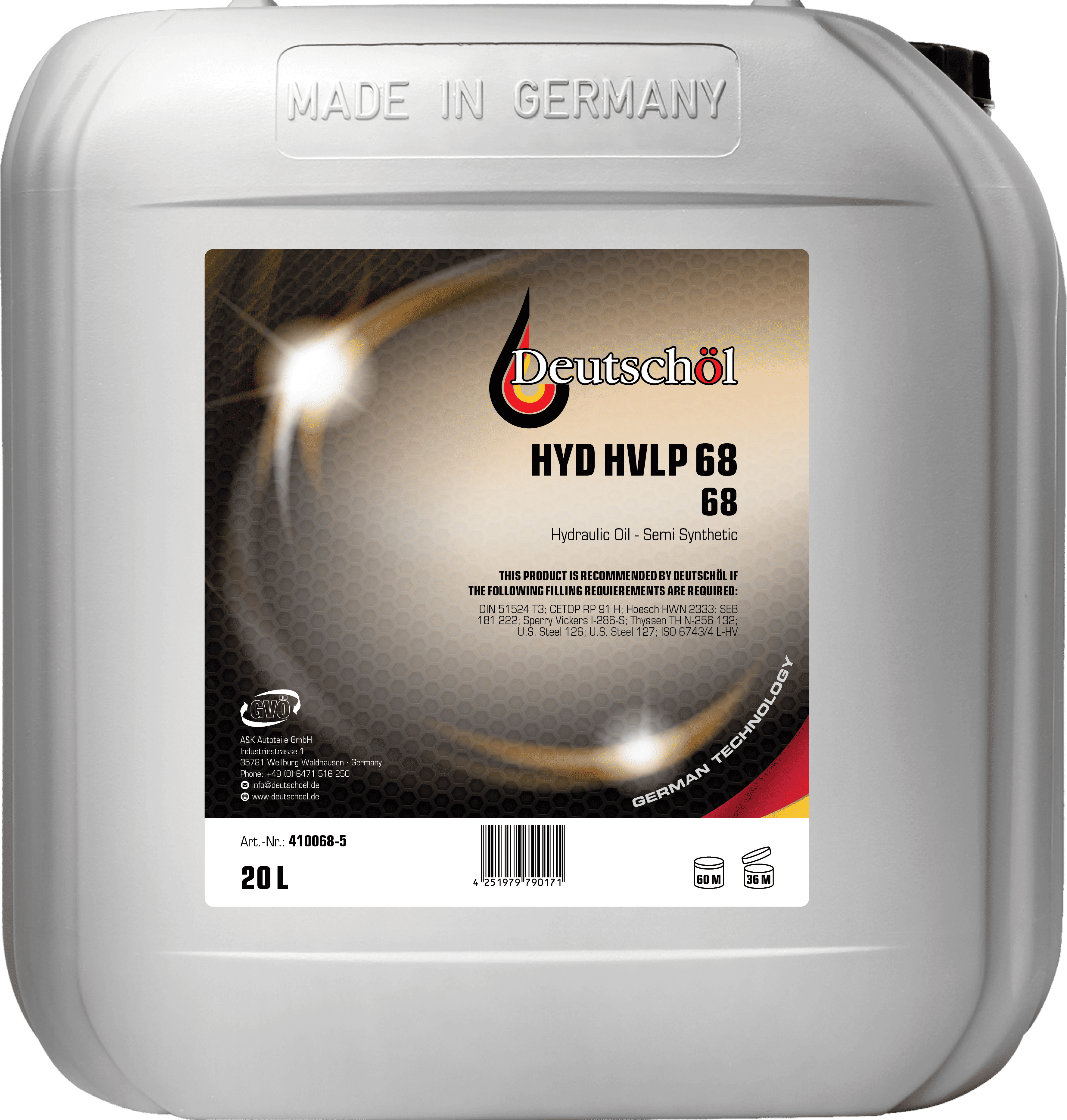
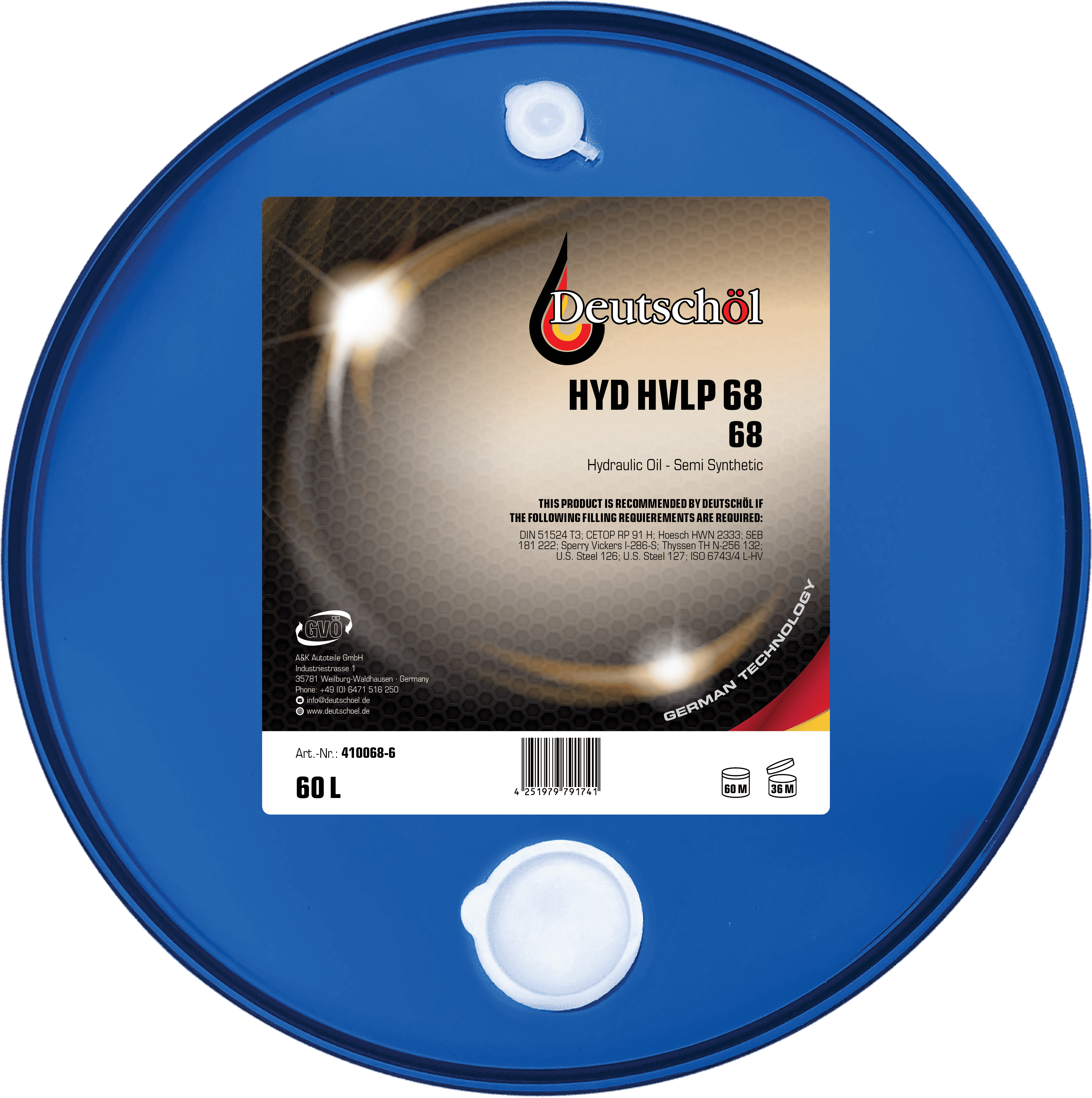
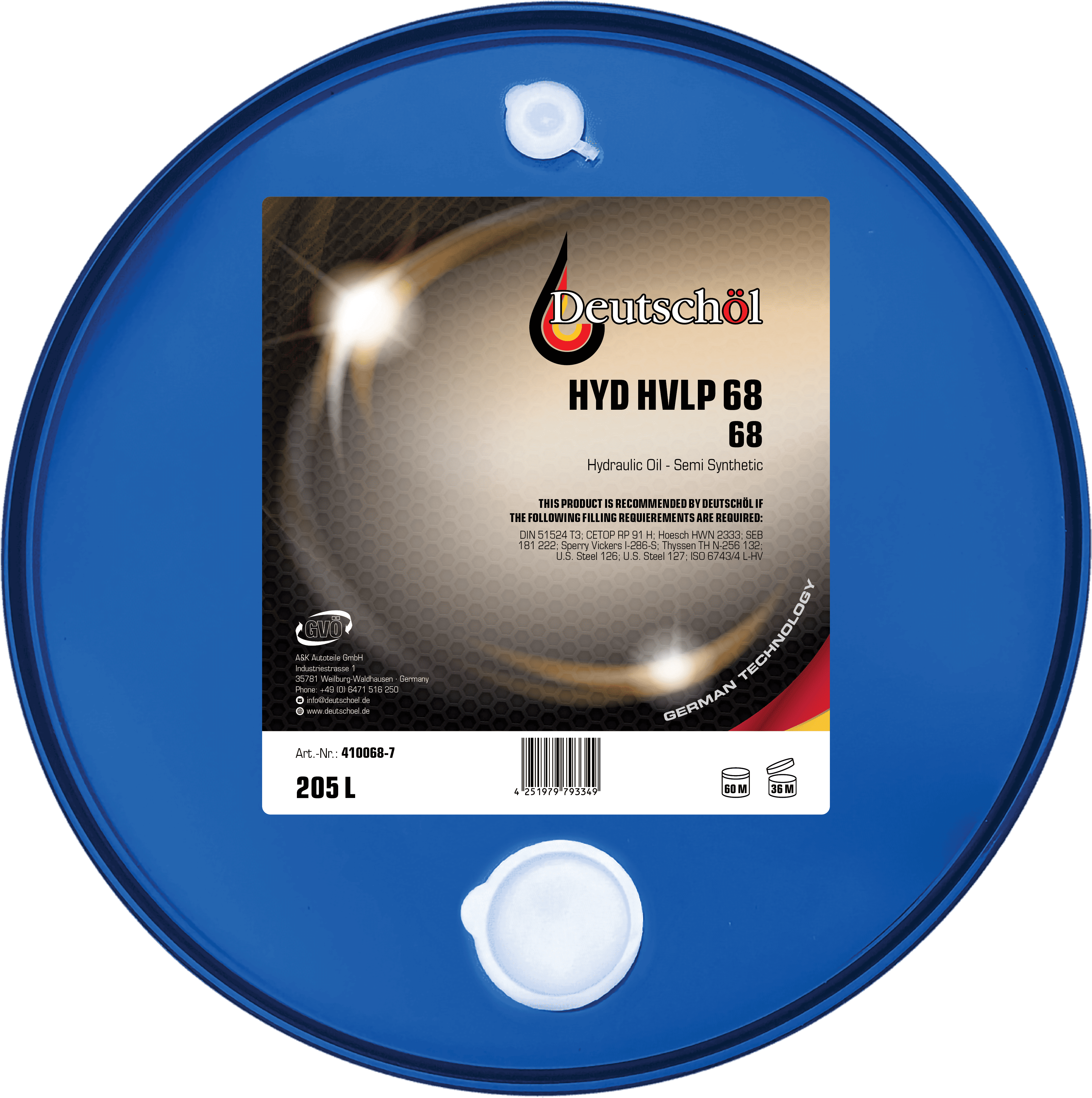
HYD HVLP 68 is a semi-synthetic hydraulic oil for drives requiring ISO VG 68 and reliable operation across variable temperatures.
The HVLP formulation supports viscosity stability, wear protection and resistance to oxidation. DIN 51524-3 and ISO 6743-4 L-HV define its performance class, while CETOP, Hoesch, SEB, Vickers, Thyssen and U.S. Steel requirements provide additional application references.


HVLP 68 performance for variable operating conditions
HYD HVLP 68 suits hydraulic systems that specify ISO VG 68 and need stronger viscosity-temperature behaviour than a conventional HLP fluid. It supports dependable lubrication as ambient and operating temperatures change.
Suitable applications
- Hydraulic drives requiring ISO VG 68
- Systems specifying DIN 51524-3
- Equipment covered by ISO 6743-4 L-HV
- Applications listing CETOP RP 91 H
- Compatible industrial and mobile hydraulic equipment
Use the specified HVLP grade
Confirm ISO VG 68 and the complete performance requirement. A nearby grade may change cold-start flow and operating-film thickness even when the equipment uses the same HVLP family.
Benefits of HYD HVLP 68
Hydraulic Wear Protection
Oxidation Resistance
Viscosity-Temperature Stability
Low-Temperature Fluidity
Specifications and Performance Standards
Typical Technical Properties
Available Packaging Sizes
Protecting Hydraulic Systems During Oil Changes
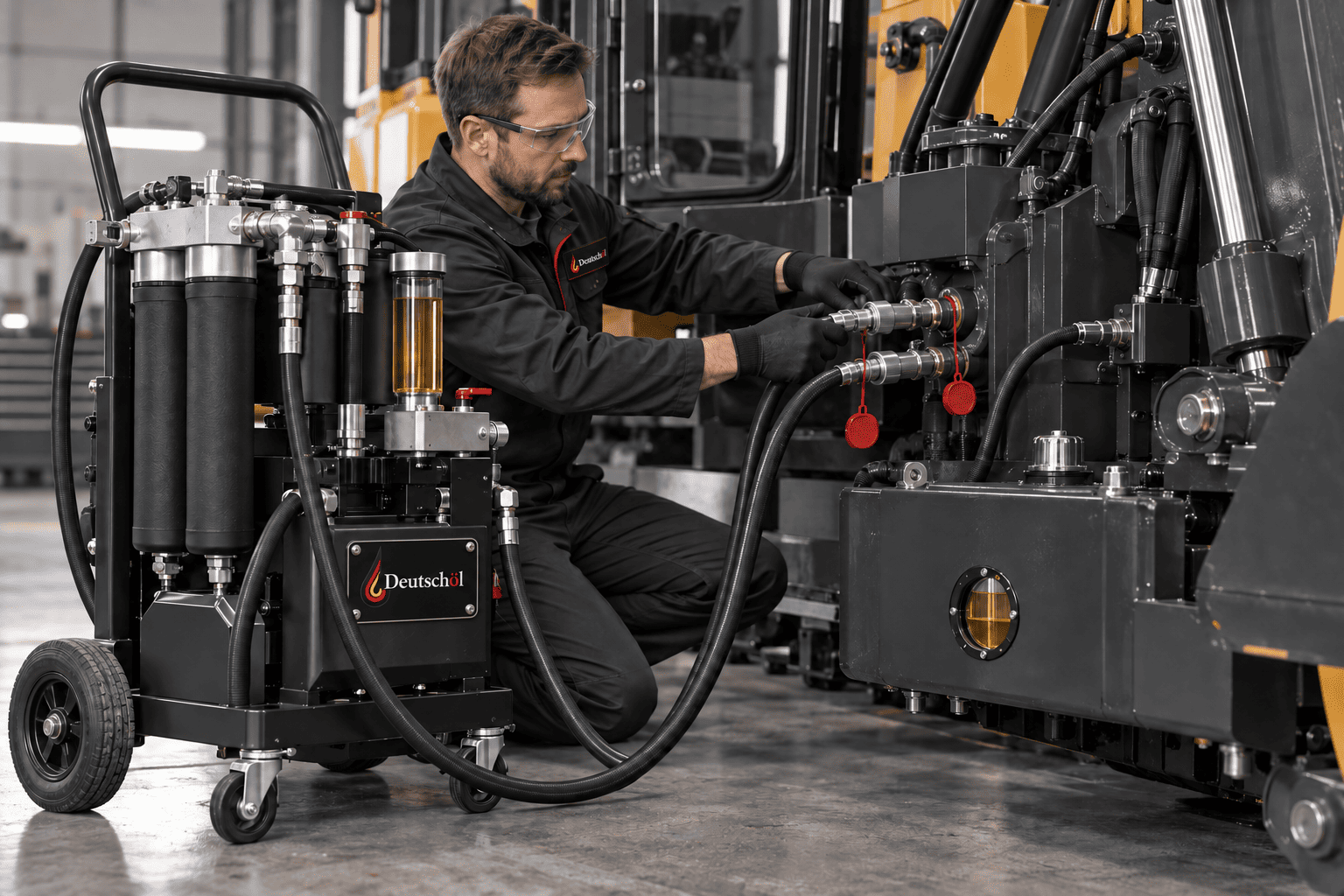
Before changing hydraulic oil, identify the fluid currently in service and confirm compatibility with the replacement. Mixing can alter water separation, detergency, seal behaviour and additive performance even when both products share the same ISO viscosity grade.
Inspect the reservoir, filters, breathers, hoses and cooling surfaces. Correct sources of water, dust or process-fluid contamination before adding fresh oil. Use clean transfer equipment and filter the incoming fluid when the system procedure requires it.
After refilling, bleed trapped air where applicable and monitor pressure, temperature, noise, filter condition and leakage. A rapid change in these indicators can point to contamination, incorrect viscosity or an incomplete changeover rather than a problem that more oil will solve.
Why Choose Deutschöl?
German Lubricant Expertise
Performance and Protection
Recognised Standards and Specifications
FAQs
Need Help Choosing the Right Product?