PC MAX 008 0W-8 Hybrid Engine Oil

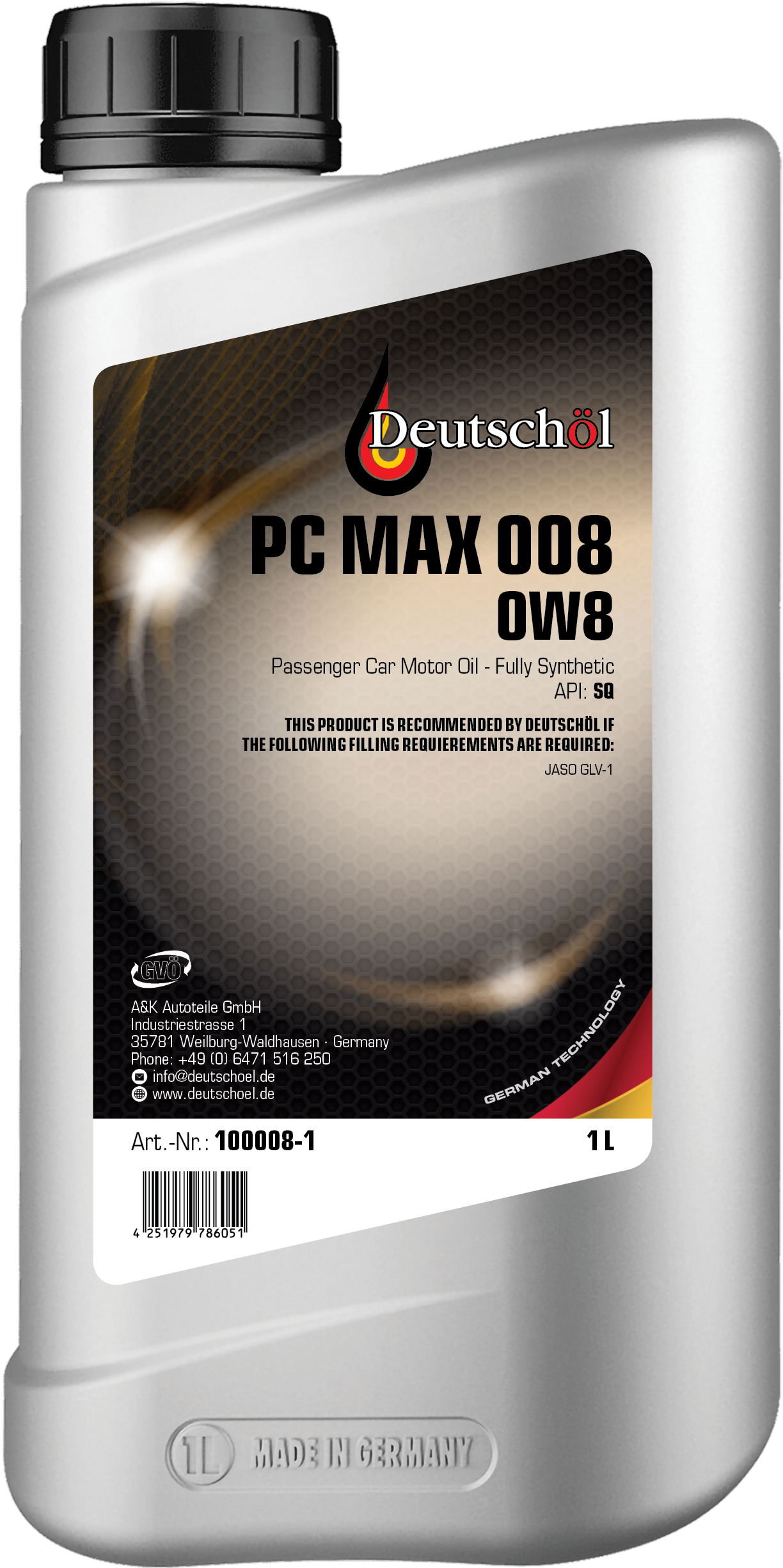
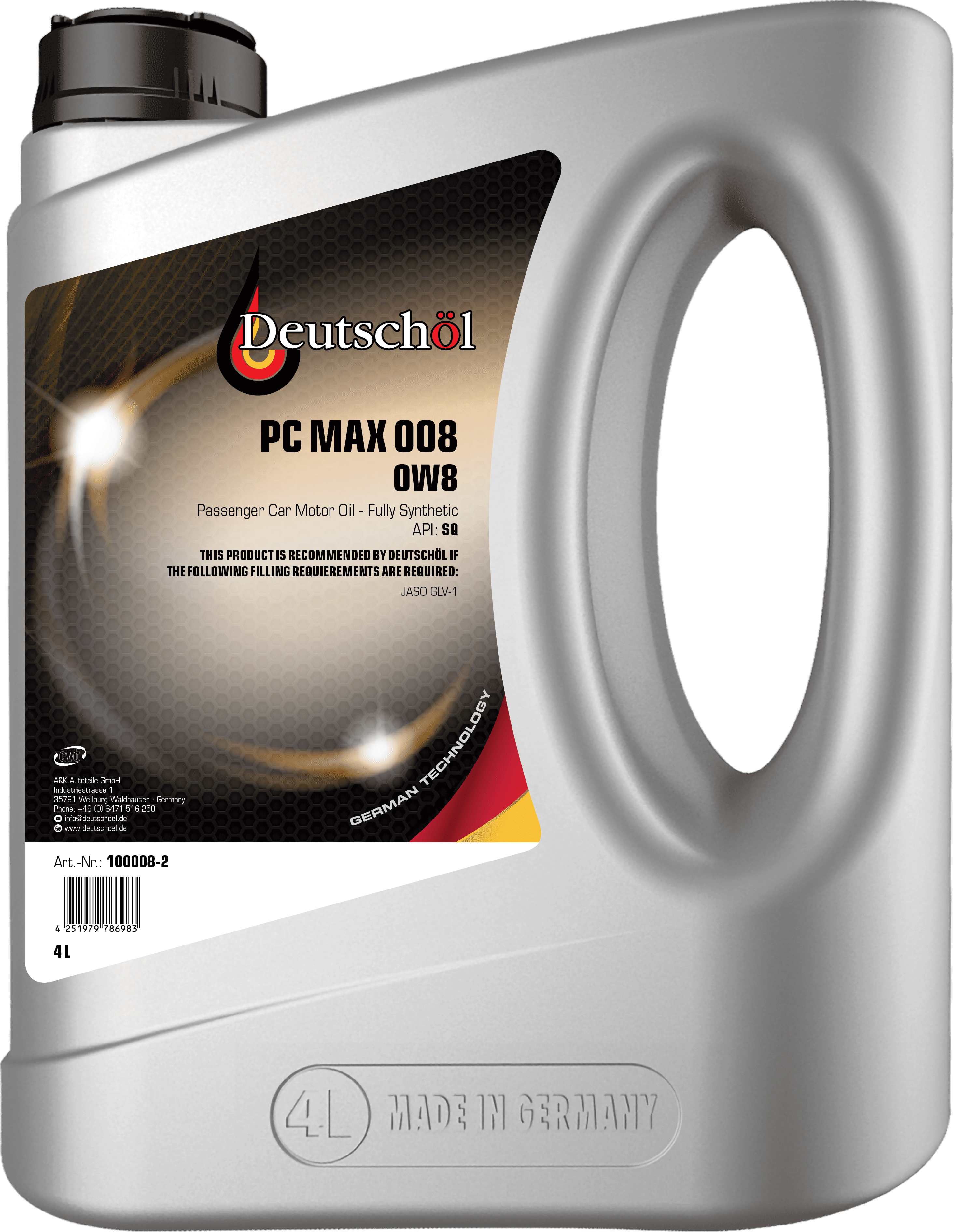
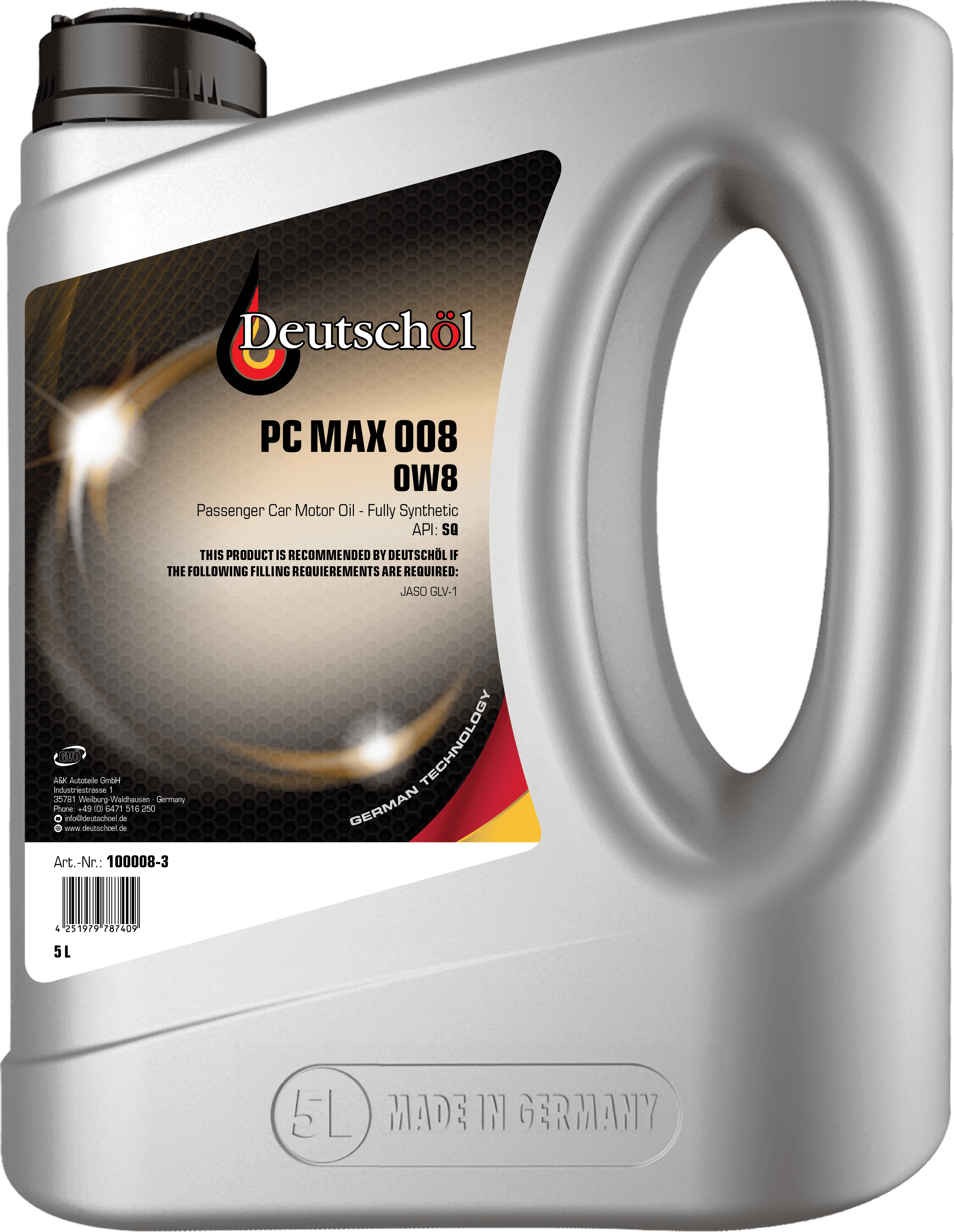
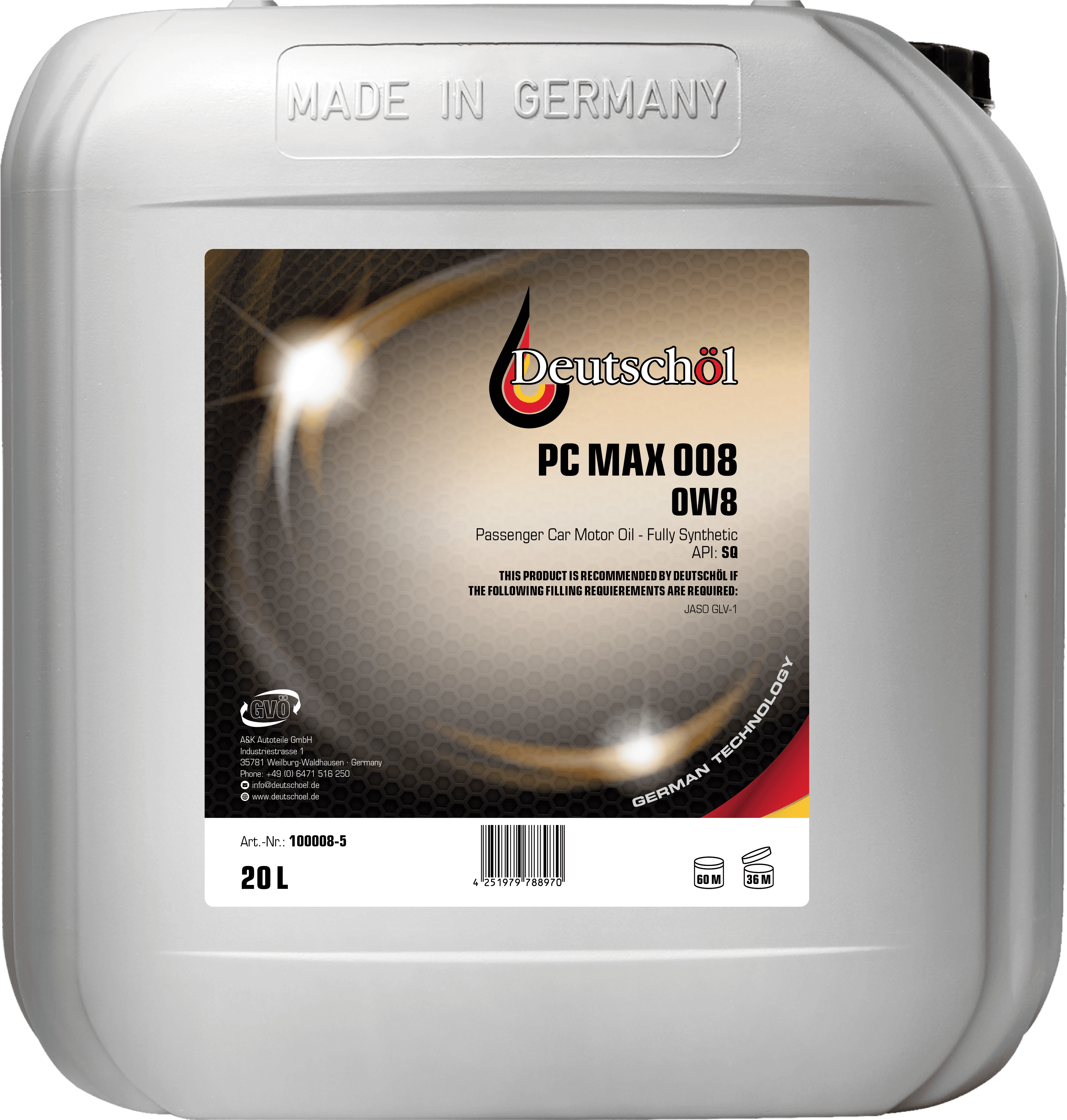
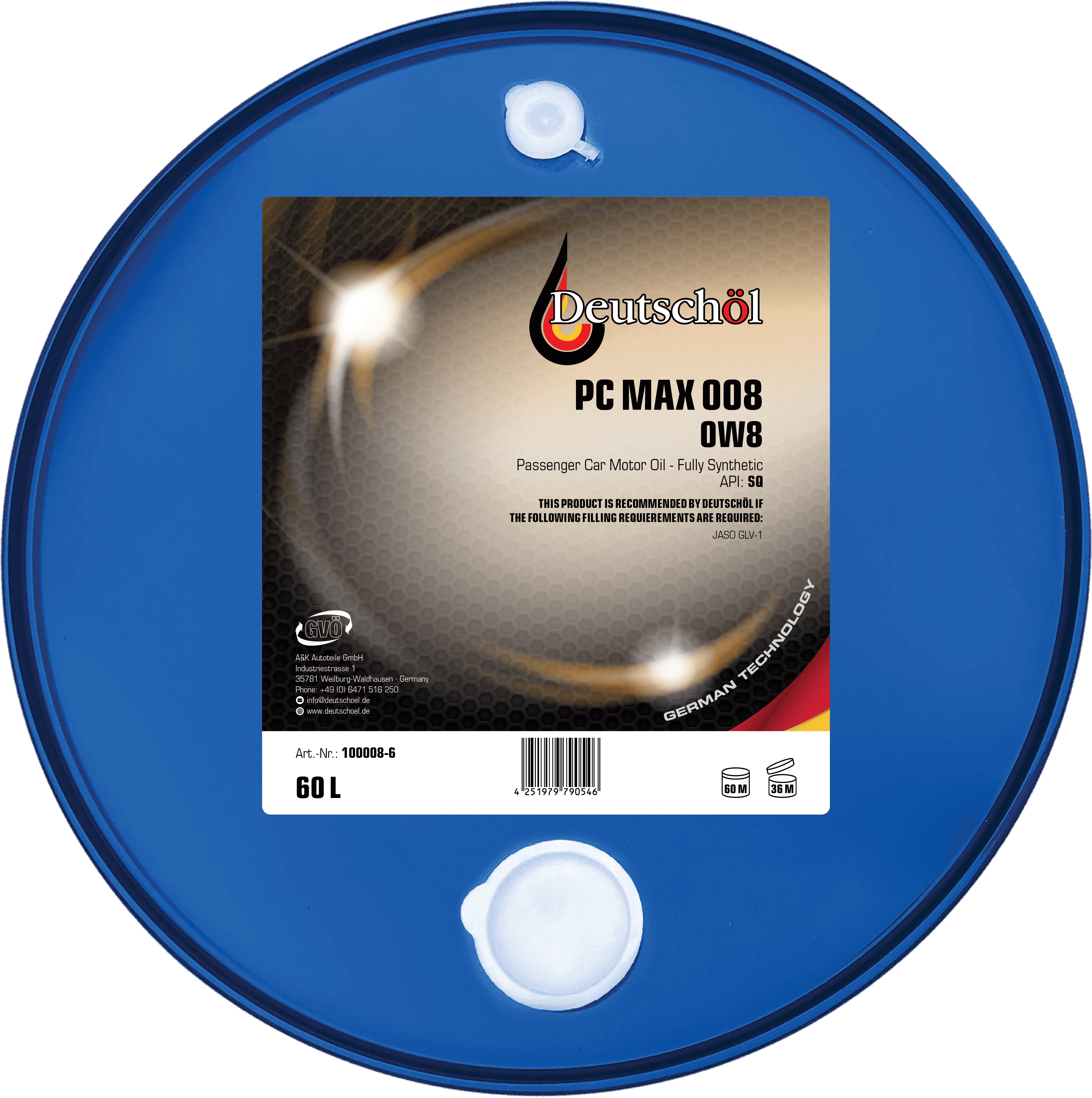
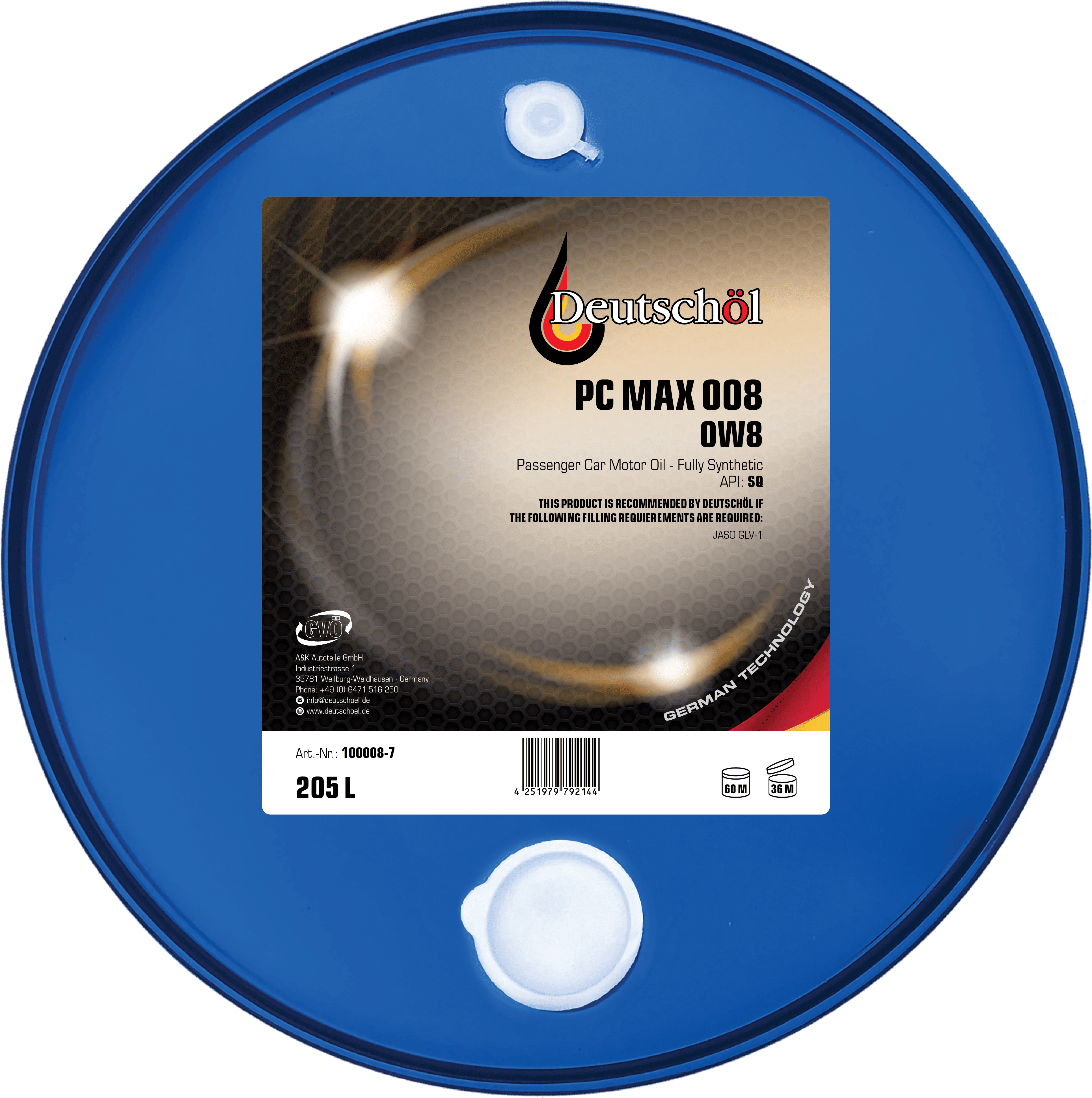
PC MAX 008 is a fully synthetic SAE 0W-8 oil for selected latest-generation petrol and hybrid passenger-car engines designed around extremely low lubricant viscosity.
Its January 2024 product sheet lists API SQ (RC), JASO GLV-1 and recommendations for Toyota, Honda, Nissan and Mazda. The formulation targets LSPI control, timing-chain protection and high fuel economy, but must only be used when SAE 0W-8 is explicitly approved.


SAE 0W-8 for specially designed petrol and hybrid engines
PC MAX 008 belongs to an ultra-low-viscosity class used only by specific modern engines. It is intended for approved petrol and hybrid vehicles requiring SAE 0W-8 and JASO GLV-1 performance.
Suitable applications
- Engines explicitly specifying SAE 0W-8
- Compatible petrol and hybrid passenger cars
- Applications requiring JASO GLV-1
- Vehicles requiring API SQ (RC)
- Approved Toyota, Honda, Nissan and Mazda models
Never substitute 0W-8 without approval
This grade is not interchangeable with 0W-12, 0W-16 or 0W-20 simply because all are low-viscosity oils. Use only where the vehicle manufacturer specifies SAE 0W-8.
Benefits of PC MAX 008
LSPI Protection
Timing-Chain Protection
Fuel-Economy Performance
Low-Friction Performance
Specifications and Performance Standards
Technical Properties
Available Packaging Sizes
Choosing and Monitoring Passenger Car Engine Oil
Use the oil specification and viscosity listed in the vehicle manual, service information or approved lubricant list. A matching SAE grade does not confirm the required API, ACEA or manufacturer approval.
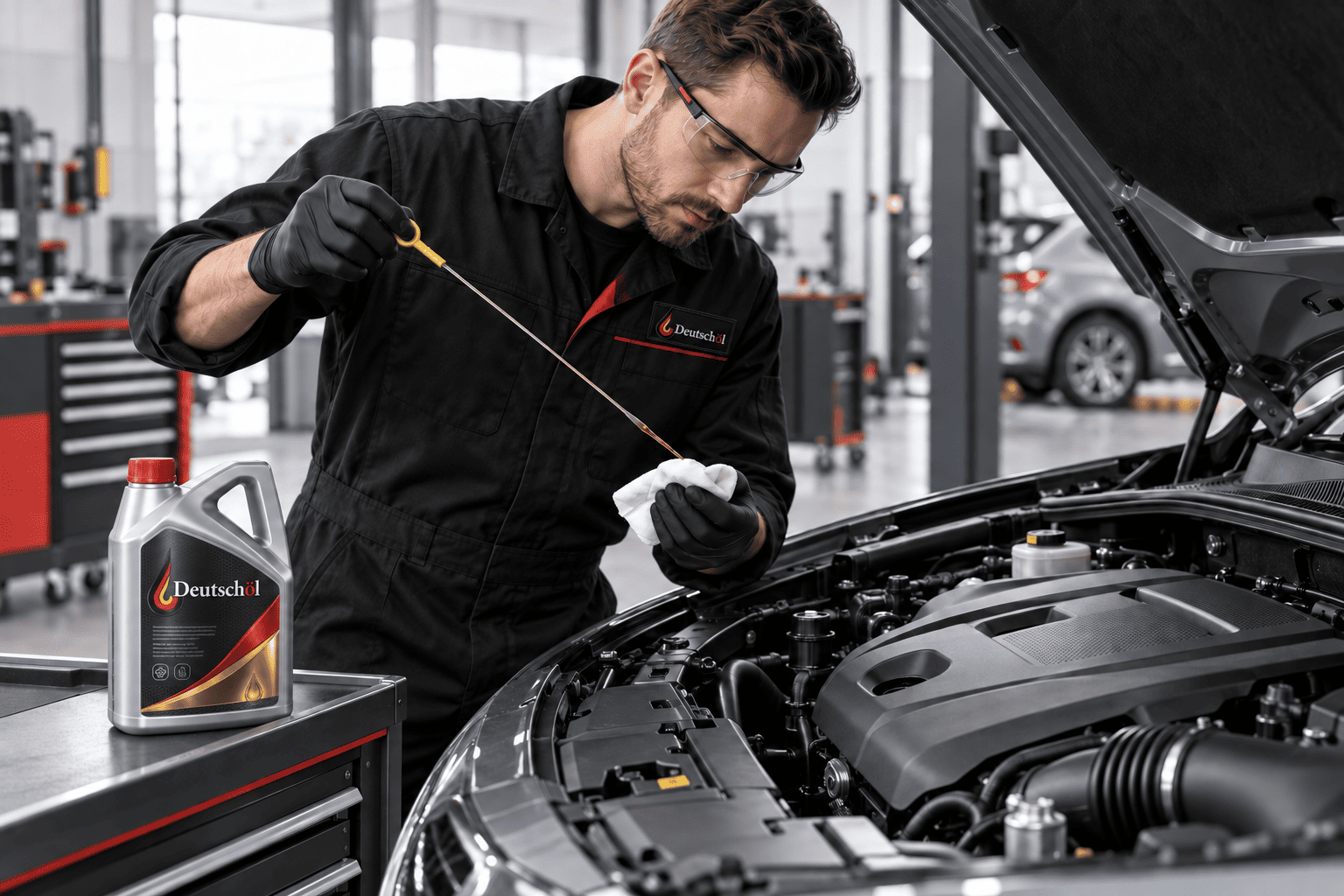
Check the oil level on level ground using the procedure specified for the vehicle. Some engines require a waiting period after shutdown, while others use an electronic measurement routine. Avoid overfilling and investigate repeated level loss rather than relying on frequent top-ups.
Follow the prescribed service interval, reducing it only where the manufacturer defines severe operation such as repeated short journeys, dusty use or extensive idling. Warning lights, rising oil level, fuel smell, coolant contamination or unusual consumption require diagnosis before the next scheduled service.
Why Choose Deutschöl?
German Lubricant Expertise
Performance and Protection
Recognised Standards and Specifications
FAQs
Need Help Choosing the Right Product?