Hydraulic Oils

Available Products

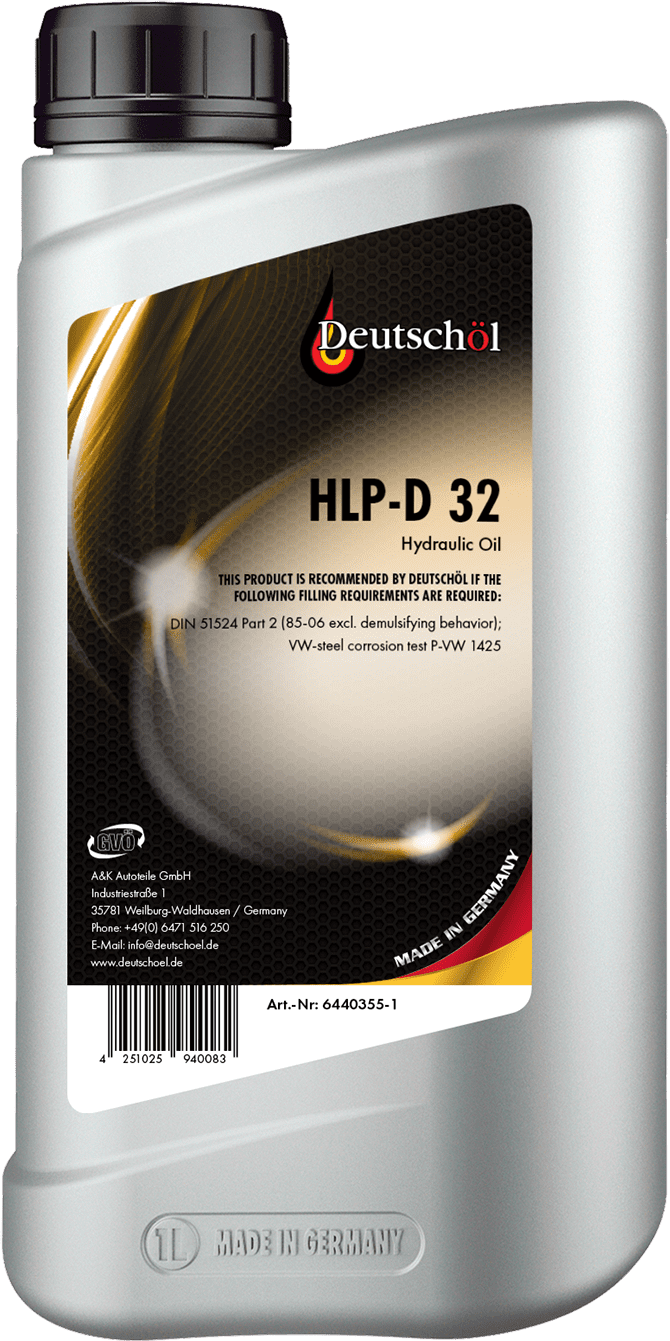
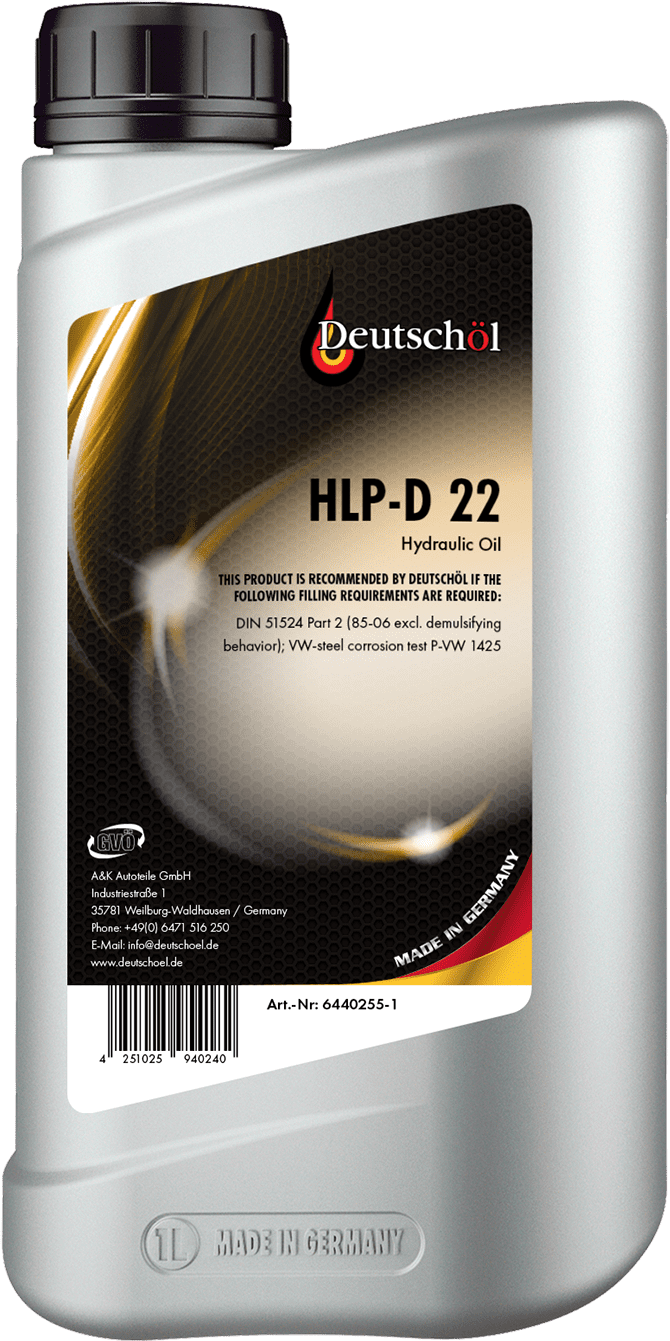
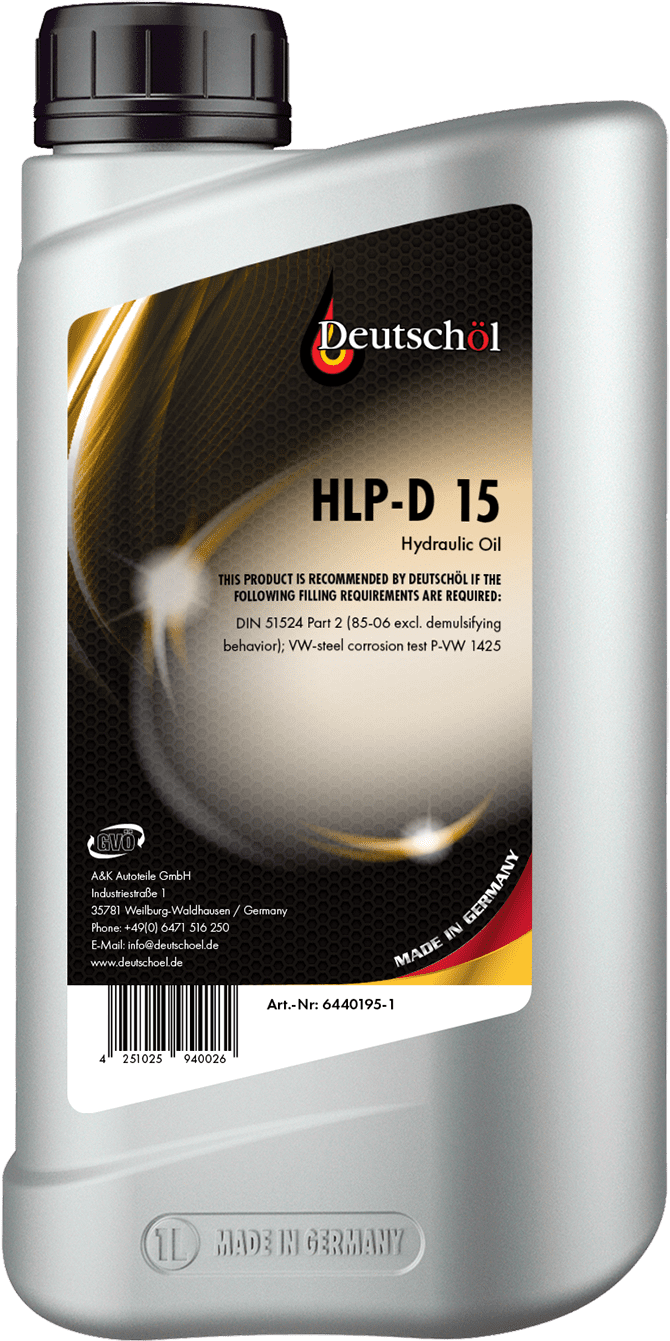


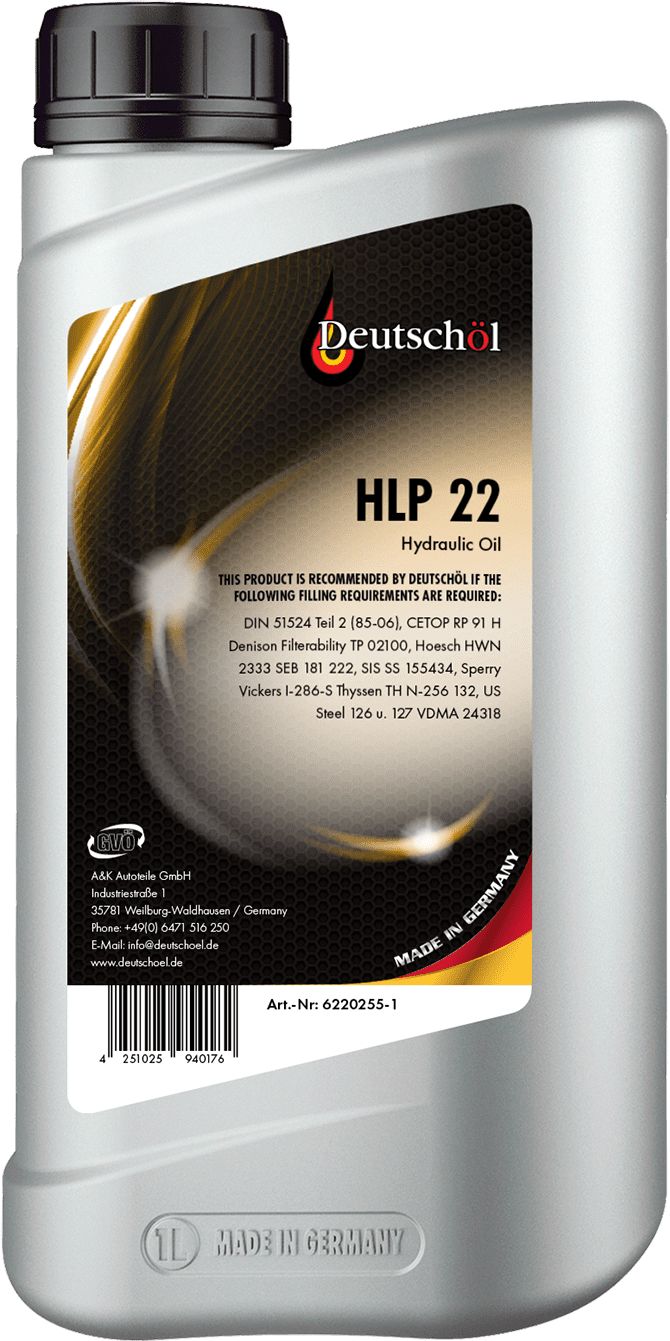
Selecting Hydraulic Oil Beyond ISO Viscosity
Hydraulic oil transmits power, lubricates pumps and valves, carries heat and helps protect system components. ISO viscosity grade is essential, but it is only one part of the decision. The correct oil must also match the system’s temperature range, water-management strategy, material requirements and equipment specification.
Start with ISO VG, Then Check the Oil Family
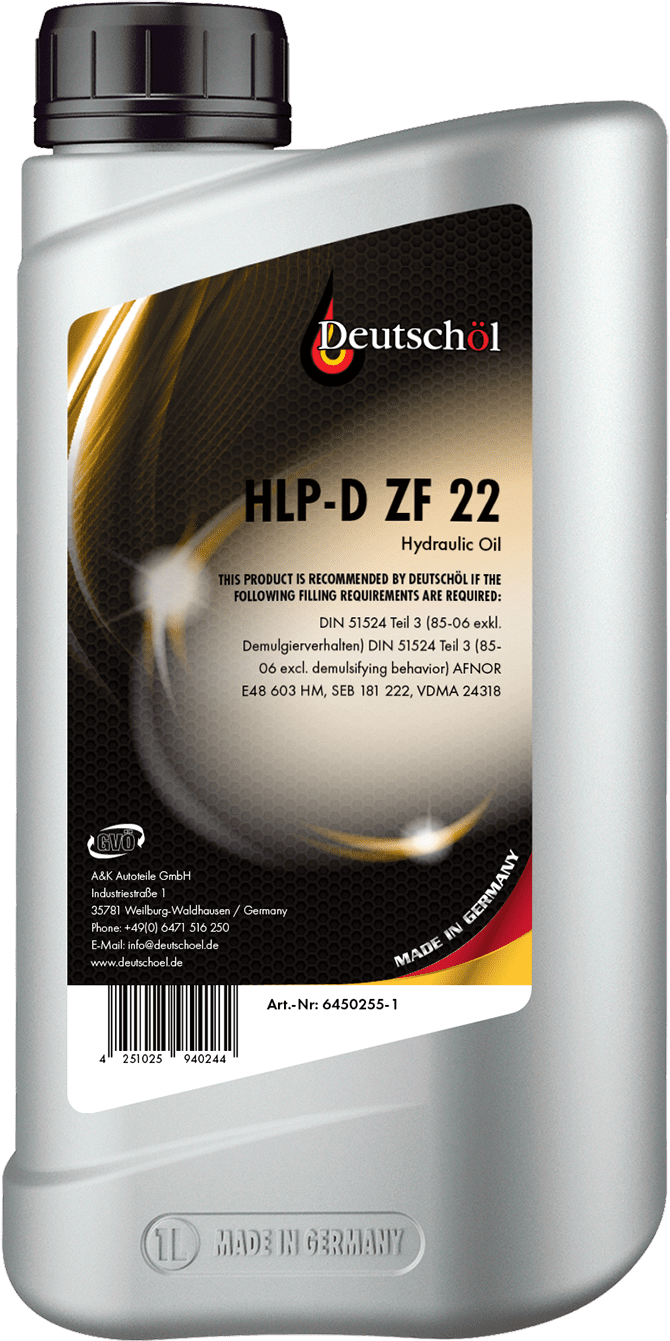
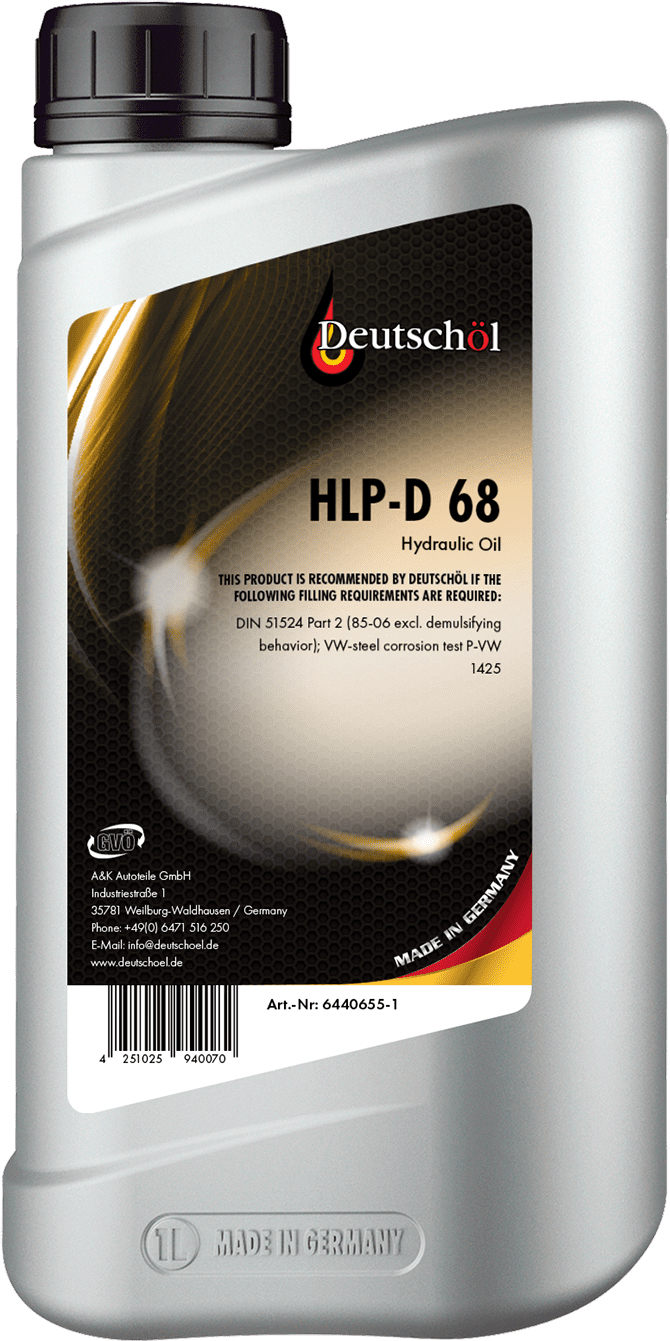
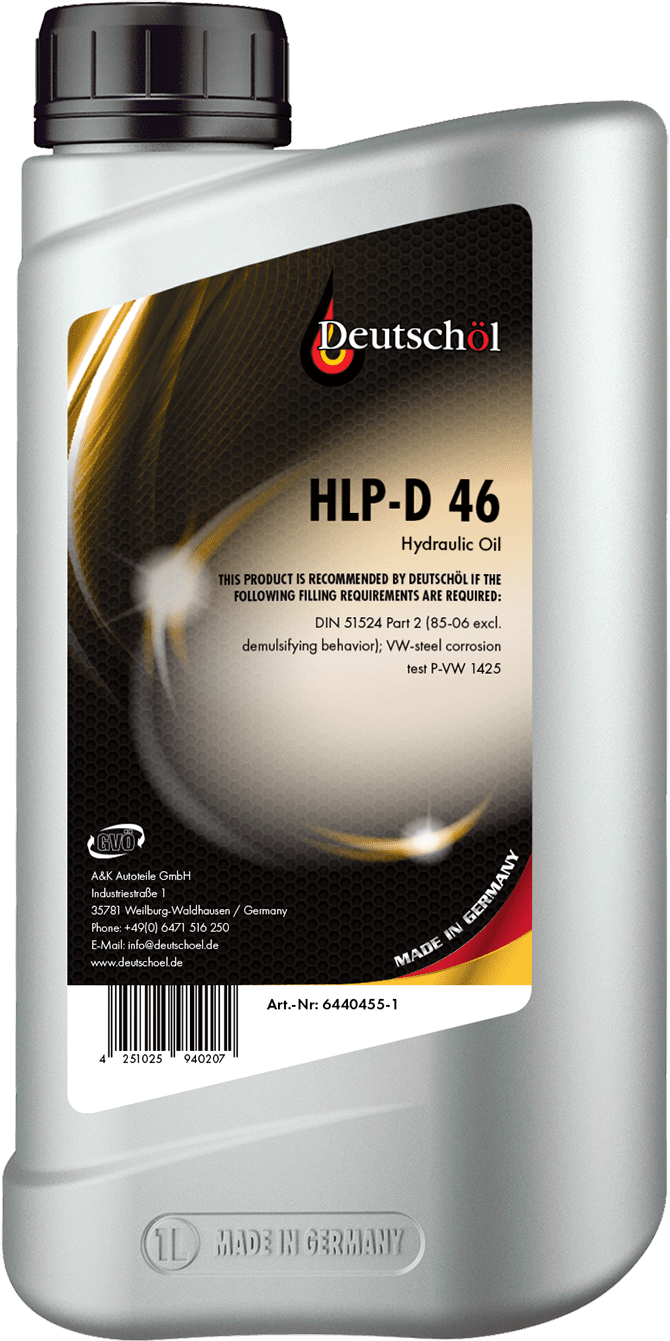
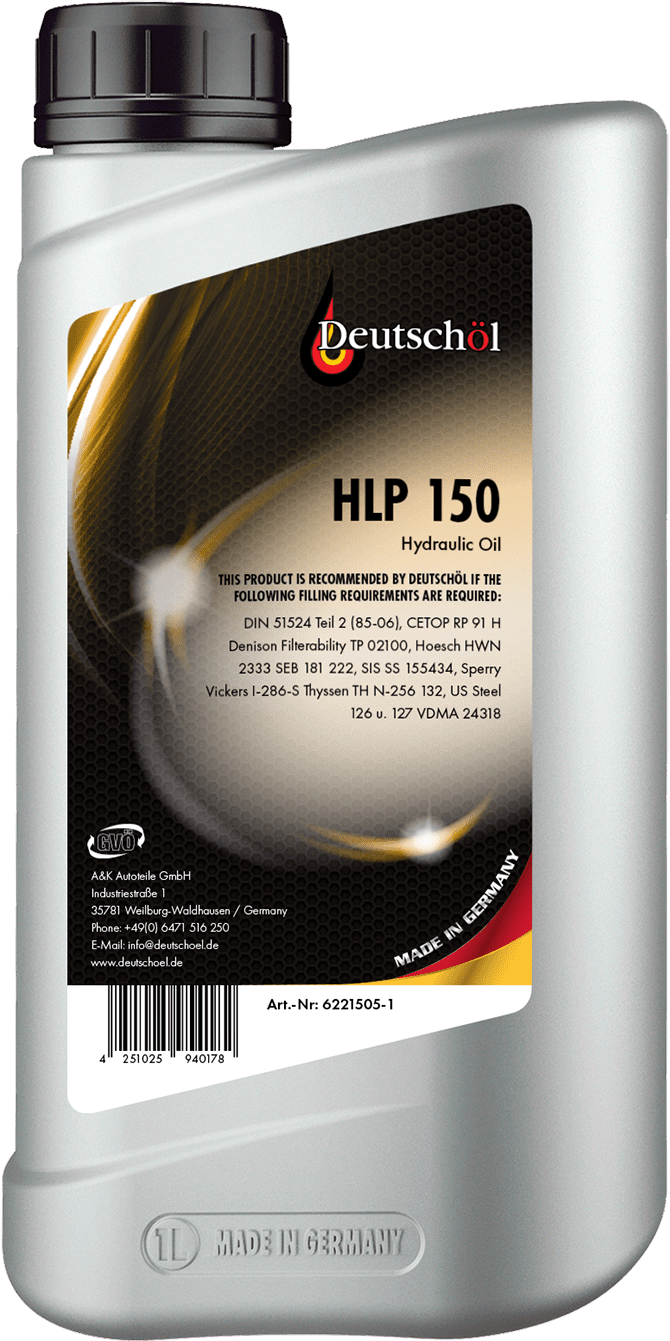
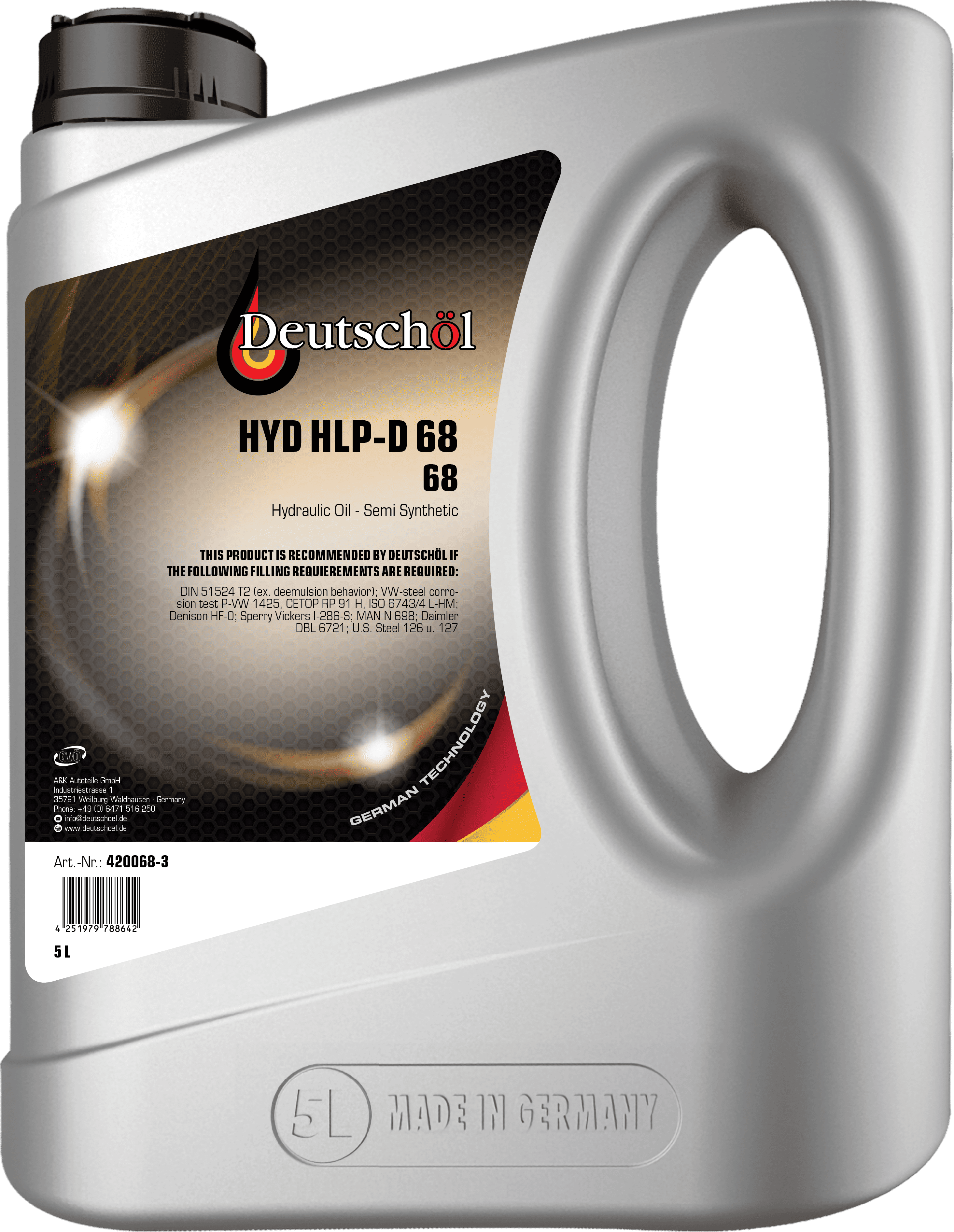
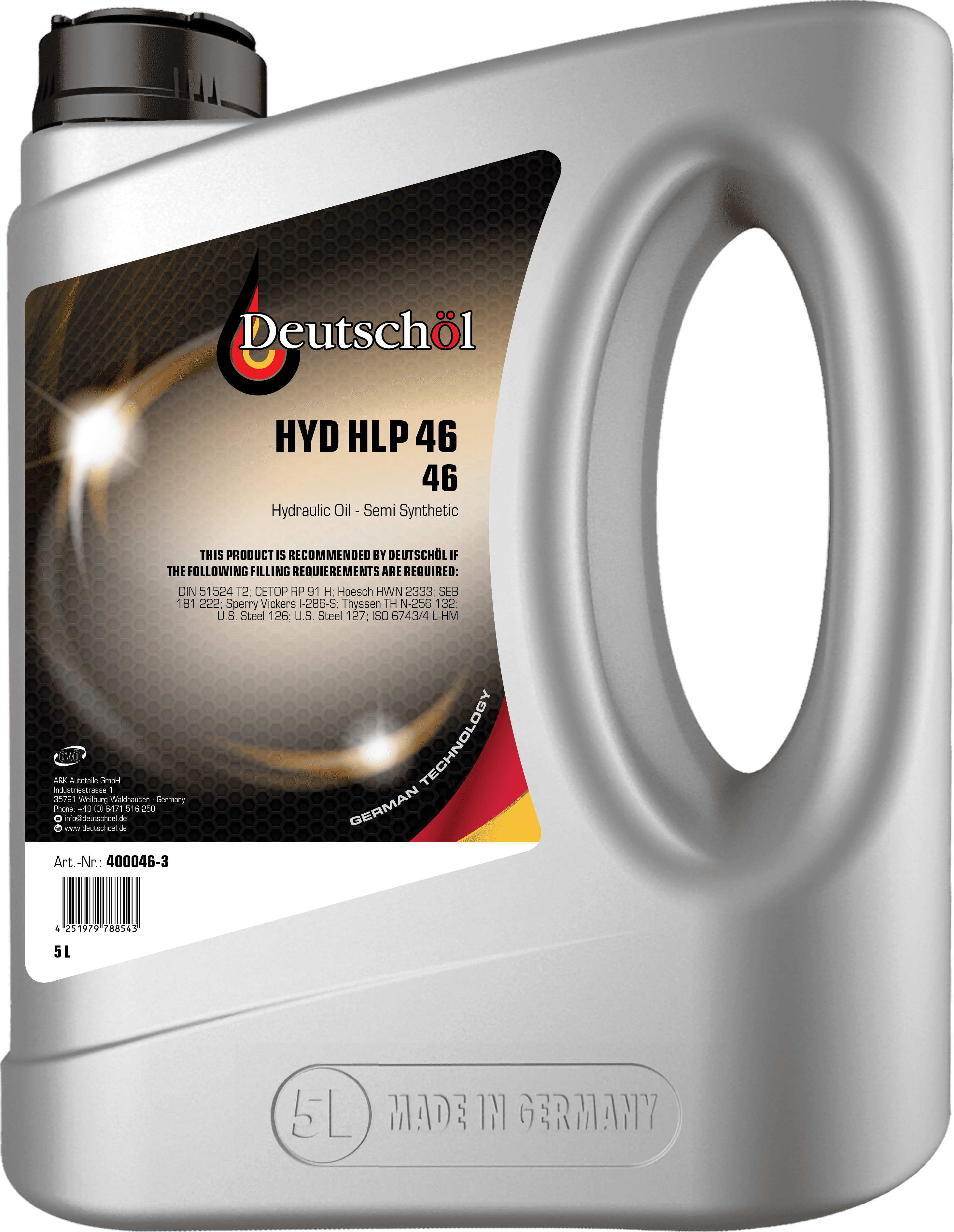
Deutschöl hydraulic oils cover ISO VG 32, 46, 68, 100 and 150. Lower or higher viscosity is not inherently better; the correct grade depends on pump design, operating temperature and the viscosity range required during start-up and full-load operation.
HLP oils are used where wear protection and oxidation stability are required. HVLP fluids provide stronger viscosity-temperature behaviour for systems exposed to wider temperature changes. This distinction can be important in mobile equipment that starts cold and then operates under sustained load.
Detergent, Zinc-Free and Biodegradable Options
HLP-D and HVLP-D products add cleaning and water-handling characteristics for specified hydraulic applications. They should not be selected merely because contamination is present; the equipment manufacturer must permit this type of fluid behaviour.
Zinc-free products support systems or operating policies that require ashless or zinc-free additive technology. HYD BIO 46 VGE addresses applications where environmental impact from leakage is an important consideration. Biodegradability does not remove the need to check seals, temperature limits and equipment approval.
Temperature Stability Protects System Response
If oil becomes too thick during a cold start, circulation and control response can suffer. If it becomes too thin at operating temperature, leakage and wear protection may be affected. Reservoir size, ambient conditions, duty cycle and system cooling all influence the fluid temperature reached in service.
Information to Confirm Before Filling
- The hydraulic equipment manufacturer’s fluid specification
- The required ISO viscosity grade
- HLP, HVLP, detergent, zinc-free or biodegradable requirements
- Expected start-up and operating temperatures
- Seal, coating and metal compatibility
- The fluid already present and the required changeover procedure
Never mix hydraulic fluids solely because their viscosity grades match. If the existing product is unknown, sample or drain the system before introducing a new formulation.
Why Choose Deutschöl?
German Lubricant Expertise
Performance and Protection
Recognised Standards and Specifications
FAQs
Need Help Choosing the Right Product?